Beyond the university spires: museums, shopping streets, and urban nature. In this guide, we have gathered the key points so you can organise yourself at your own pace and with more confidence.
Where Oxford is and how it grew
Oxford is located in South East England at the confluence of the River Thames and the River Cherwell; as it flows through the city, the Thames is also known as the Isis. Its origins as a crossing point predate the colleges, and the university developed during the Middle Ages. Over time, libraries, churches, and academic buildings shaped a city of 'dreaming spires', alongside market streets, industry, and local neighbourhood life.
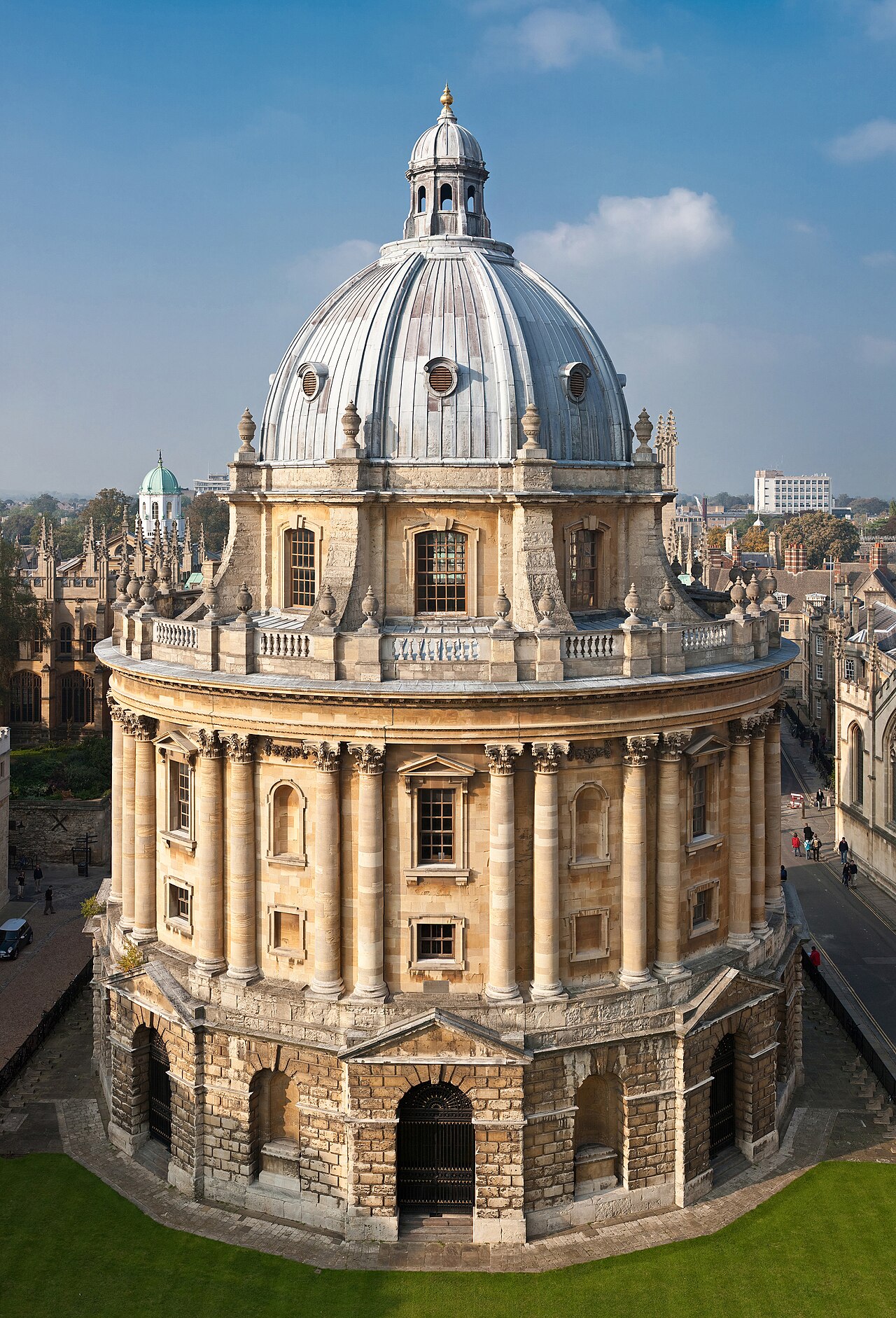
The Radcliffe Camera is one of its most photographed buildings, though it does not function as a free-entry museum. Before planning your day, distinguish between public spaces and those requiring an official tour. The station is a short walk from the historic centre, and the central streets are easily explored on foot. Oxford is manageable as a day trip from London, but staying overnight helps you discover the parks and areas outside the main photo circuit.
Libraries, museums and colleges
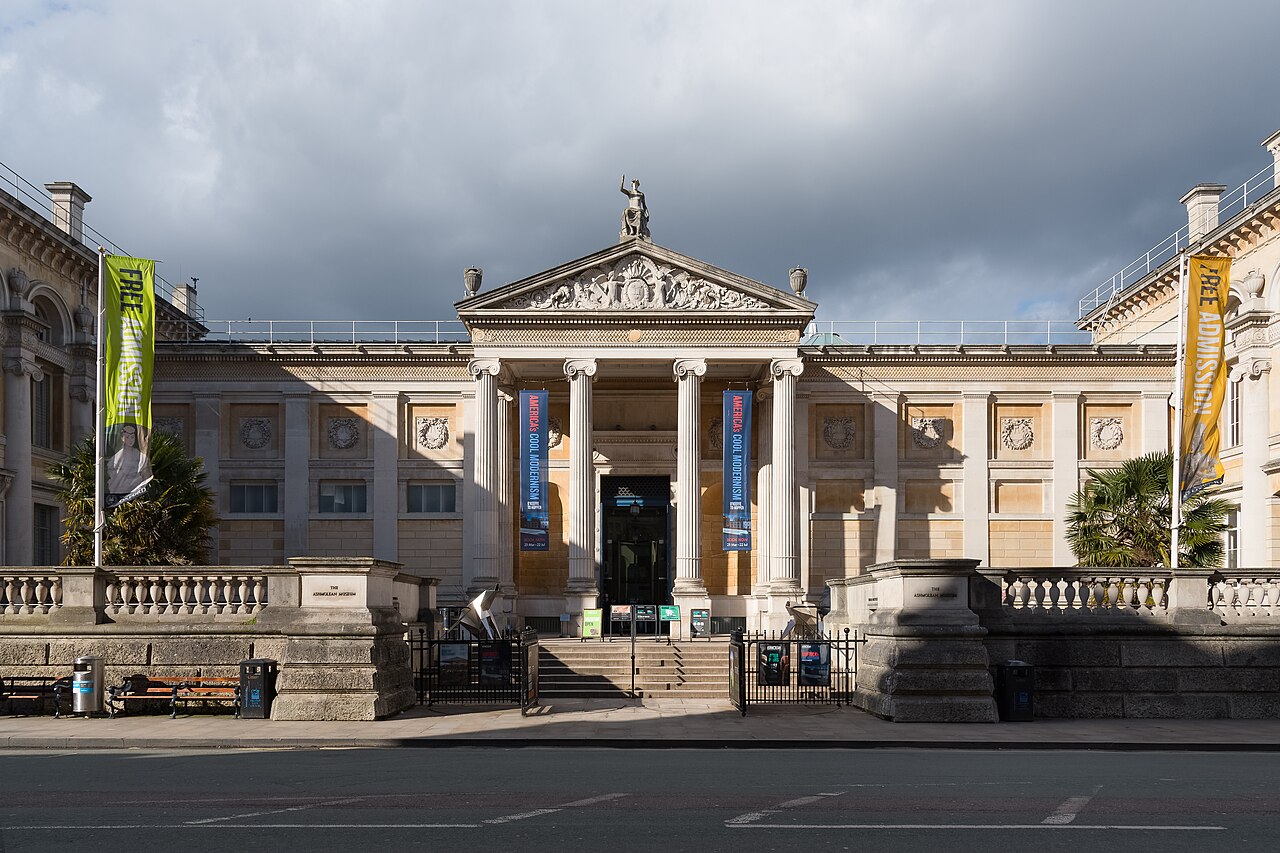
The Bodleian Library organises tours with varying conditions: book on their official website if you wish to see interior spaces and check for restrictions. The Radcliffe Camera is admired from the surrounding streets unless an authorised tour indicates otherwise. The Ashmolean Museum brings together art and archaeology from different eras; choosing specific galleries is more sensible than trying to see the whole collection in a rush.
You can also visit the Oxford University Museum of Natural History and the Pitt Rivers Museum, whose collections raise interesting questions about how heritage was gathered and presented. The colleges are working institutions: access depends on the academic calendar, services, and events. If you are interested in Christ Church, consult their official ticketing system and the opening times for each area. Leave plenty of time between visits: queues and short distances add up, and Oxford's charm also lies in walking its streets.
View tours and tickets with GetYourGuide ↗ (affiliate link)
Covered Market, cafes and other streets
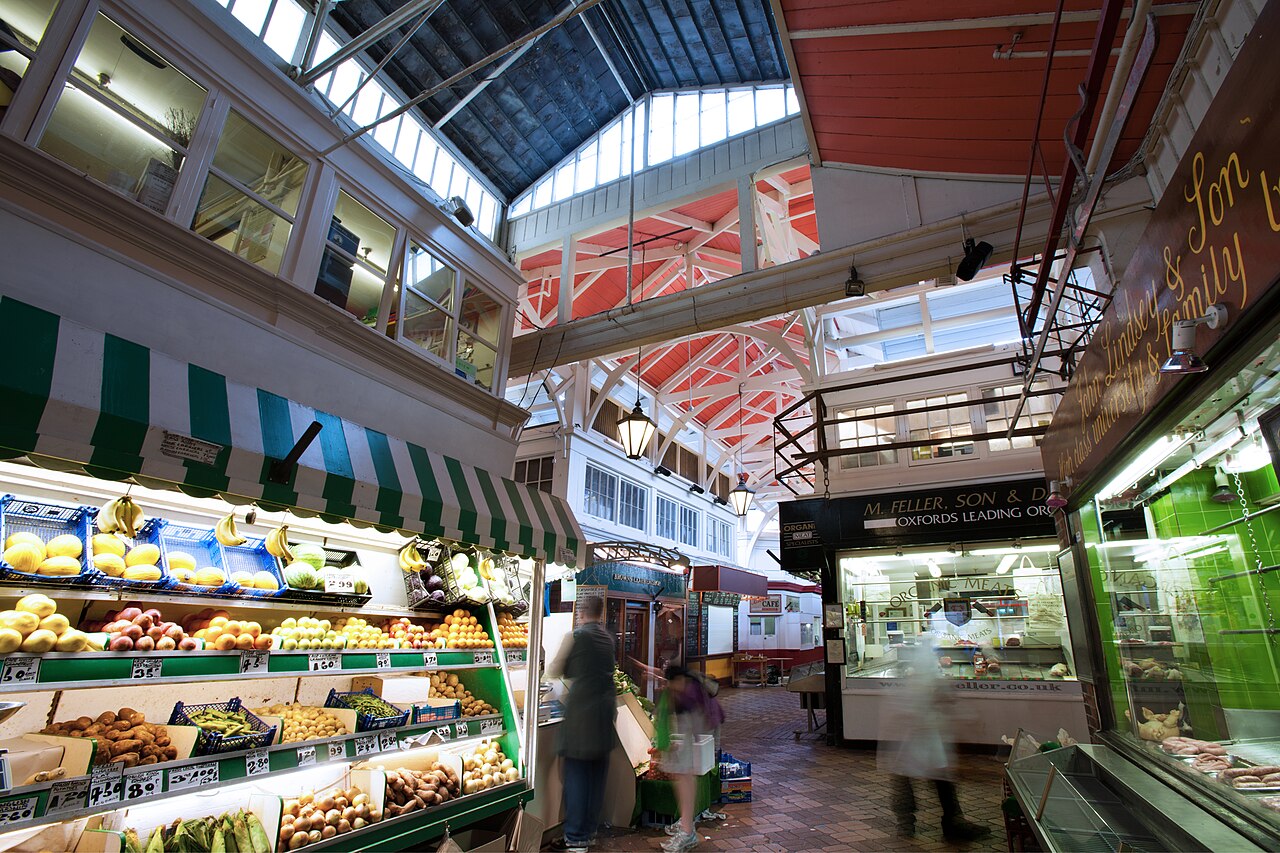
Oxford Covered Market offers stalls and small establishments in the city centre; verify the opening times of each business before planning a meal there. Around it, there are cafes, bookshops, pubs, and restaurants serving various cuisines at different price points. Cowley Road shows a more diverse scene less focused on the colleges, with shops and places to eat; it requires an additional walk from the centre.
Jericho also has cafes and pubs where you can linger in the afternoon, but check kitchen hours and bookings if you are looking for dinner. Markets and seasonal events change throughout the year, so it is worth checking the local agenda. Oxford is a living, university city, not a film set: when photographing facades and courtyards, respect entrances, classes, and private spaces. Alternate a large museum with a long stop for a drink to watch the bustle of the street.
Parks, rivers and a well-planned day
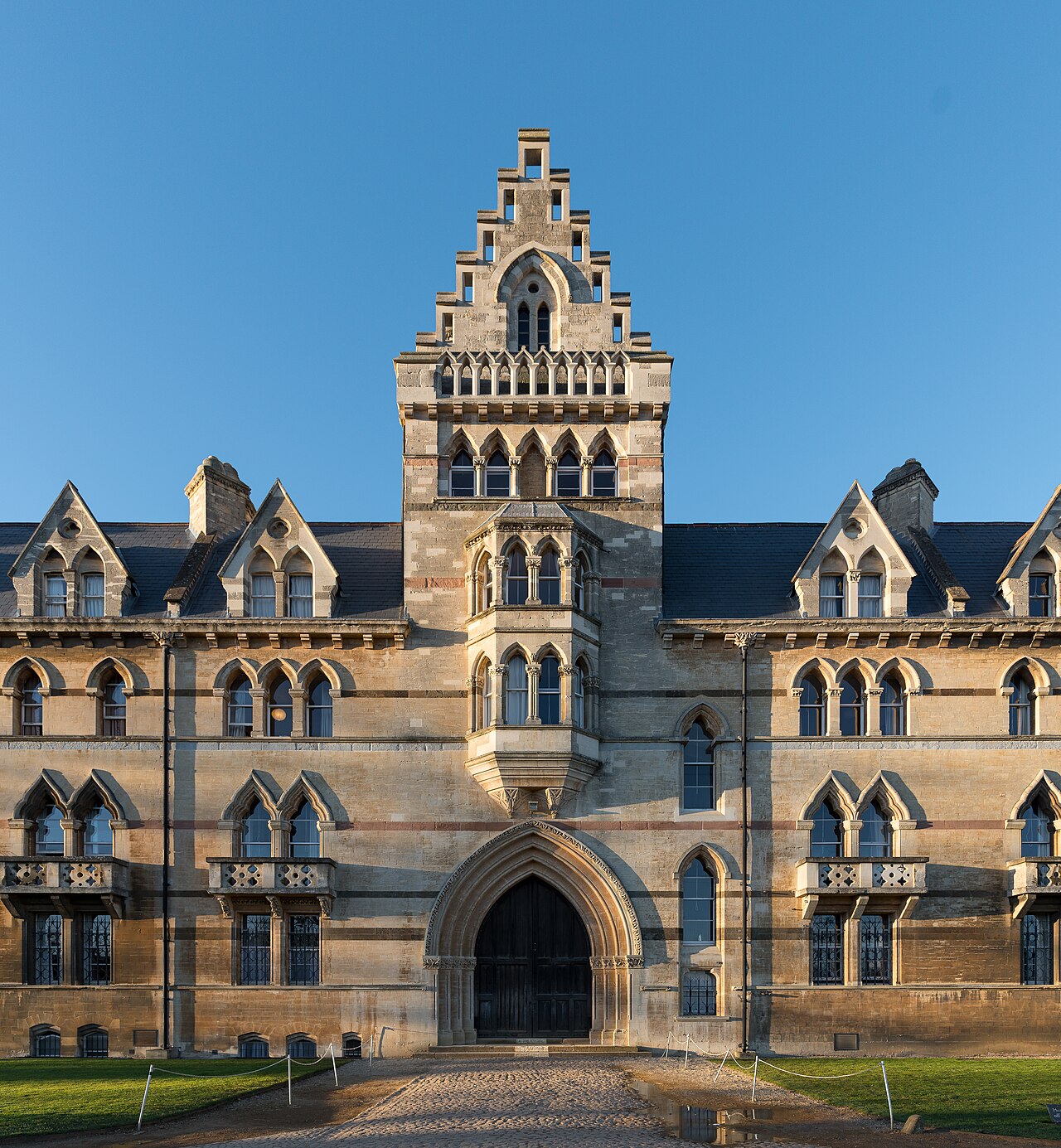
University Parks offers paths and green spaces near the centre, while Christ Church Meadow allows for a walk alongside the rivers when the gates are open. If you follow the Cherwell or the Thames, stay on public paths and check if the ground is damp or flooded after rain. You can dedicate the morning to the Bodleian area, Radcliffe Square, and a college with a confirmed booking; have lunch in the Covered Market and choose the Ashmolean or a green walk for the afternoon.
With more time, explore Cowley Road or Jericho. Arriving by train or bus avoids worrying about city centre traffic; compare stations and stops with your route and check return connections. If travelling from London, check the operator and the arrival point before buying: not all services go to exactly the same station. Wear comfortable shoes and have a backup plan for rain.