From the city-centre castle to the bay and Bute Park: a compact capital best explored on foot. In this guide, we have gathered the key points so you can organise yourself at your own pace and with more confidence.
Where is Cardiff and how it grew with coal
Cardiff (Caerdydd in Welsh) is the capital of Wales and is located in the south of the country, by the Bristol Channel, where the rivers Taff and Ely flow into the bay. London is about two hours by train from Cardiff Central, and Bristol is even closer, so many visits are organised as two or three-day breaks. The centre is compact and flat: almost all the essentials can be reached on foot.
Its history begins with a Roman fort and a Norman castle built upon those walls, but the city you see today took shape in the 19th century. Cardiff became one of the world's great coal ports: coal from the valleys came down by train to the docks and funded civic buildings, shopping arcades and the district of Butetown. When exports fell, the docks sat empty for decades; the regeneration of Cardiff Bay, with its barrage and cultural facilities, is the recent response to that void. Bear in mind that Wales is a nation with its own parliament, its own co-official language and bilingual signage.
Castle, museums and the Senedd
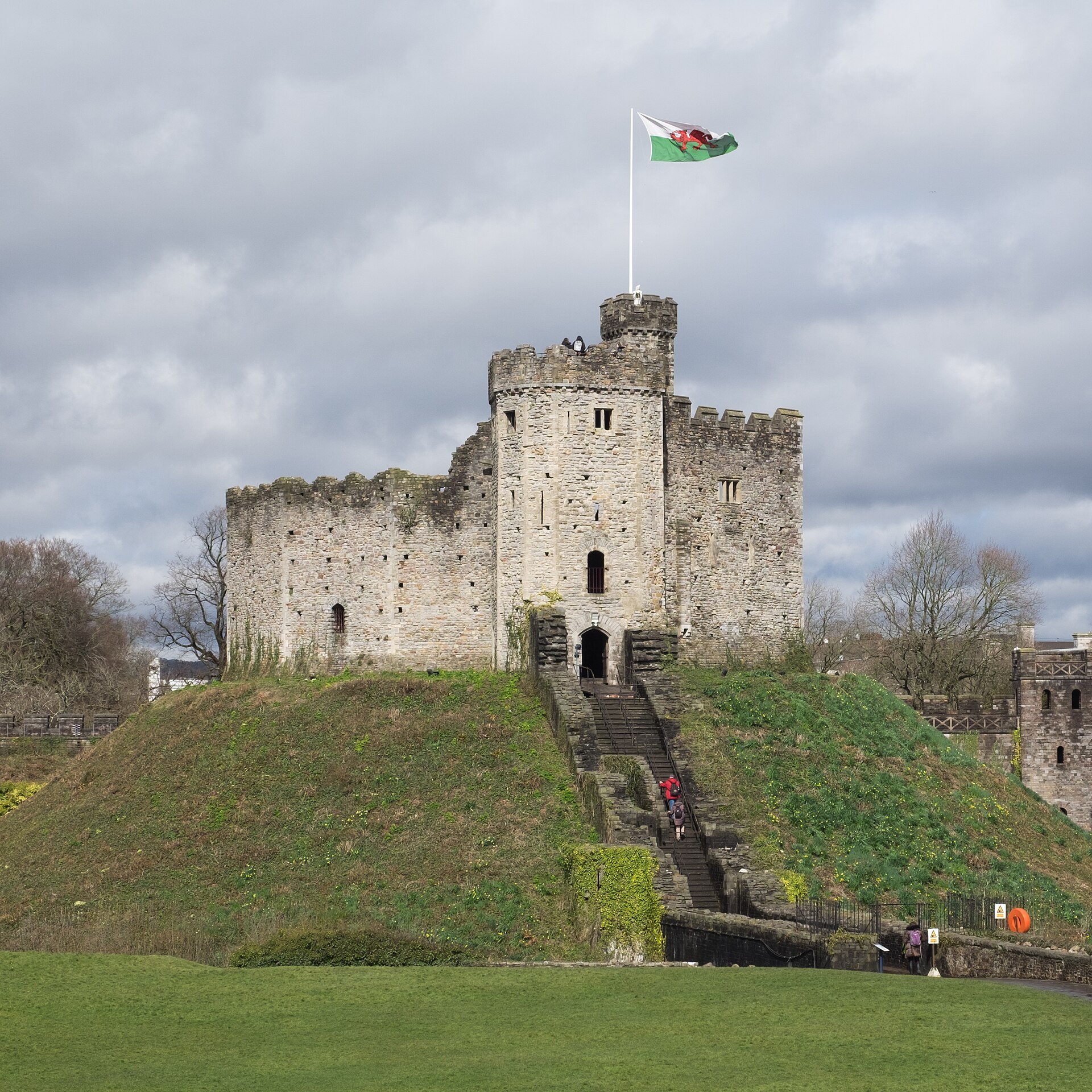
Cardiff Castle occupies the heart of the city: it preserves the Norman keep on its mound and apartments decorated in Victorian Gothic Revival style by William Burges for the Marquess of Bute. Check opening times and the price of guided tours on its official website before you go. A few minutes away, National Museum Cardiff brings together art and natural sciences, featuring a notable Impressionist collection, and general entry is usually free, though it is worth checking.
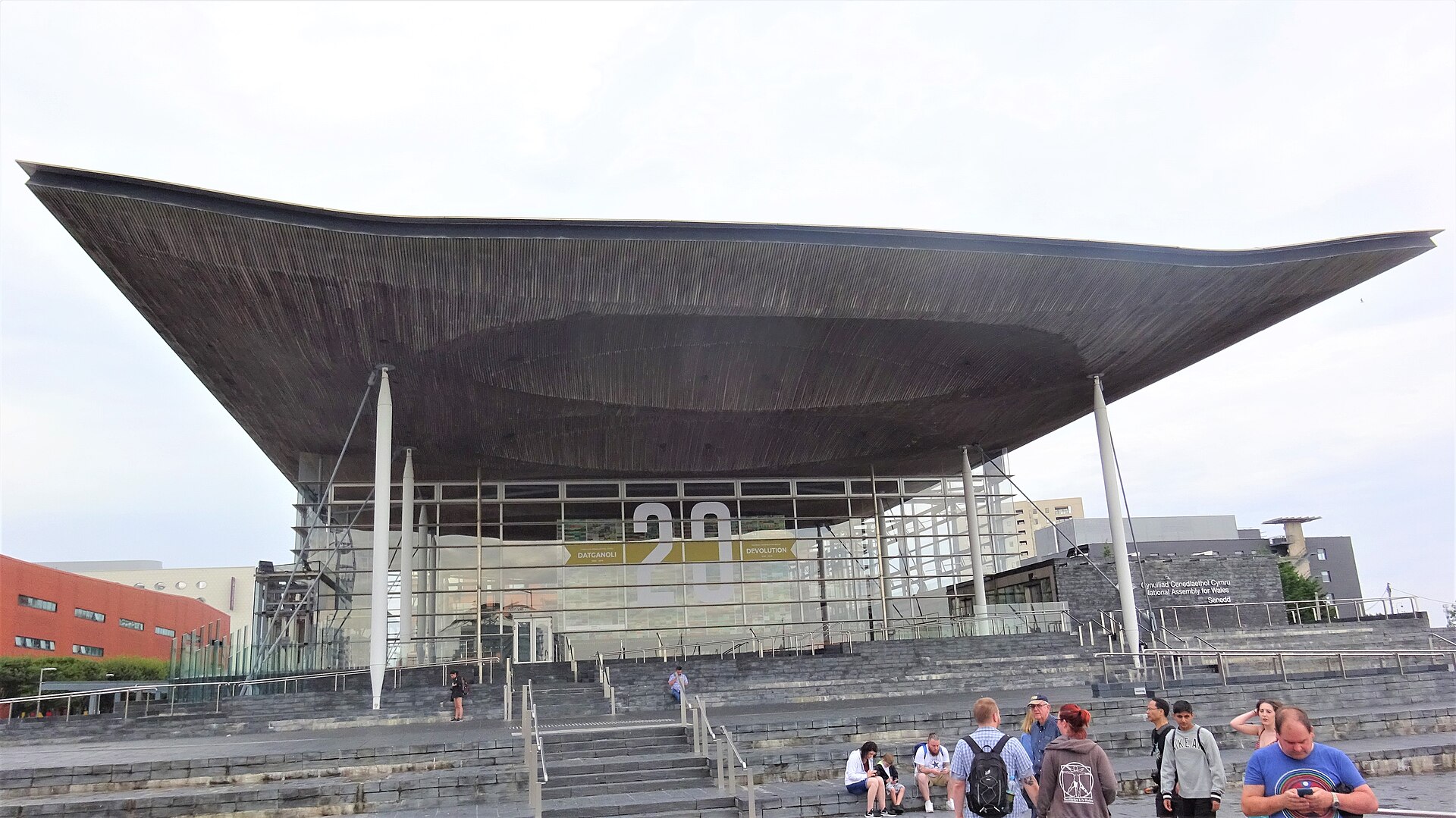
In the bay, the Senedd houses the Welsh Parliament; its wood, steel and glass building can be visited and sessions can sometimes be observed from the public gallery, depending on the schedule. Next door, the Wales Millennium Centre programmes theatre, opera and concerts behind its slate facade featuring a bilingual inscription. If you are interested in rugby, the Principality Stadium is right in the centre and offers guided tours on non-event days. For industrial city history, the open-air museum at St Fagans, on the outskirts, reconstructs buildings moved from all over Wales.
View tours and tickets with GetYourGuide ↗ (affiliate link)
Market, Victorian arcades and where to eat
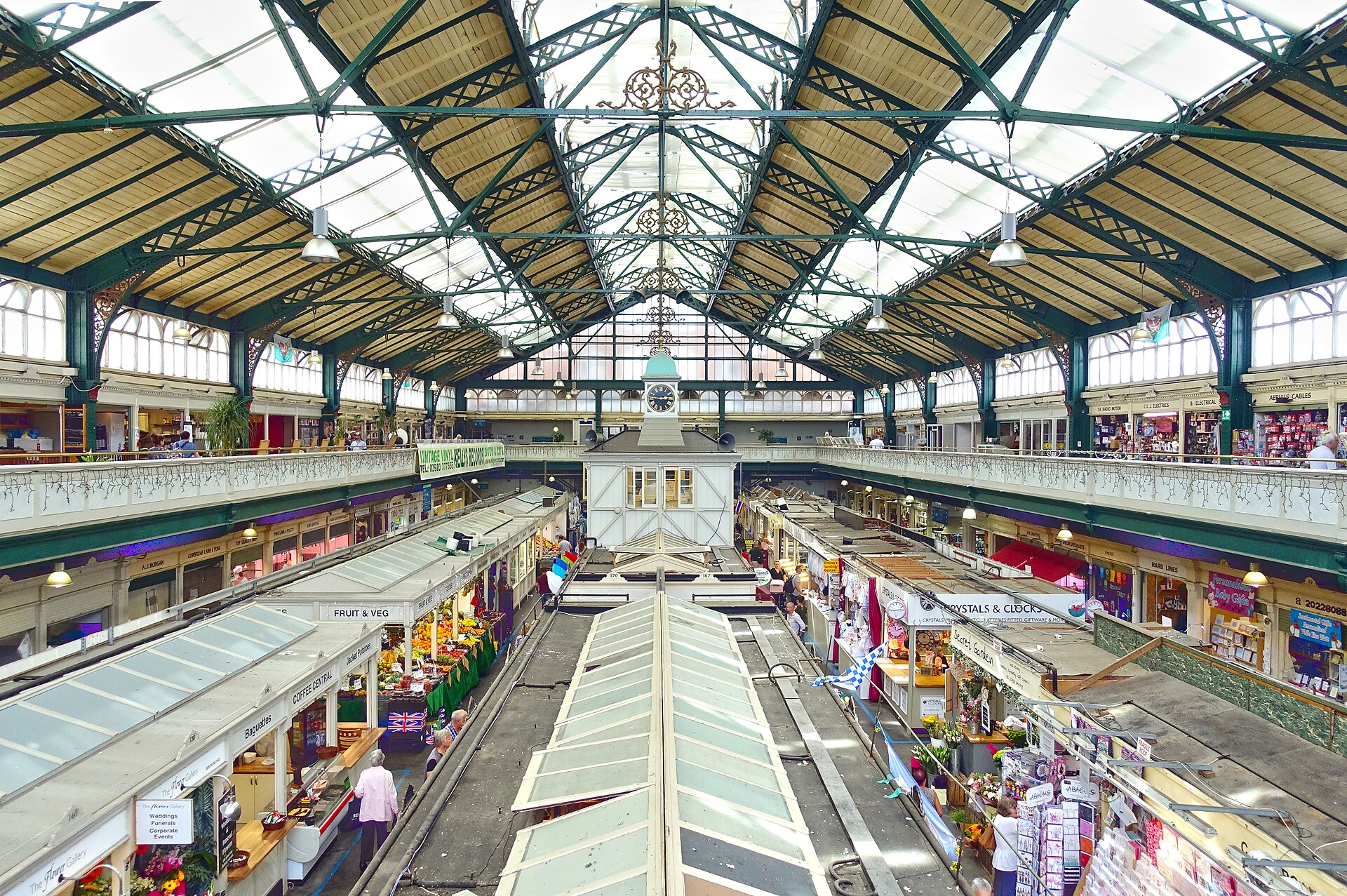
Cardiff Market, the Victorian covered market on St Mary Street, is the best first gastronomic stop: fish stalls, butchers, bakeries and counters where you can try bara brith or freshly made Welsh cakes. Surrounding it is a network of shopping arcades—Castle Arcade, High Street Arcade, Morgan Arcade, Royal Arcade—19th-century covered passages filled with independent cafes, bookshops, record shops and cheesemongers. It is the perfect walk for a rainy day.
For dinner, Pontcanna and Canton, to the west of the river, concentrate bistros, bakeries and neighbourhood pubs with fewer crowds than the centre. City Road brings together restaurants with cuisines from all over the world, and Cardiff Bay offers waterside tables at Mermaid Quay, with slightly higher prices. City-centre pubs get very busy on match days at the Principality Stadium: if your visit coincides with one, book a table in advance or eat early. Check kitchen opening times, as many places stop serving food well before they close.
Bute Park, the River Taff and an easy route
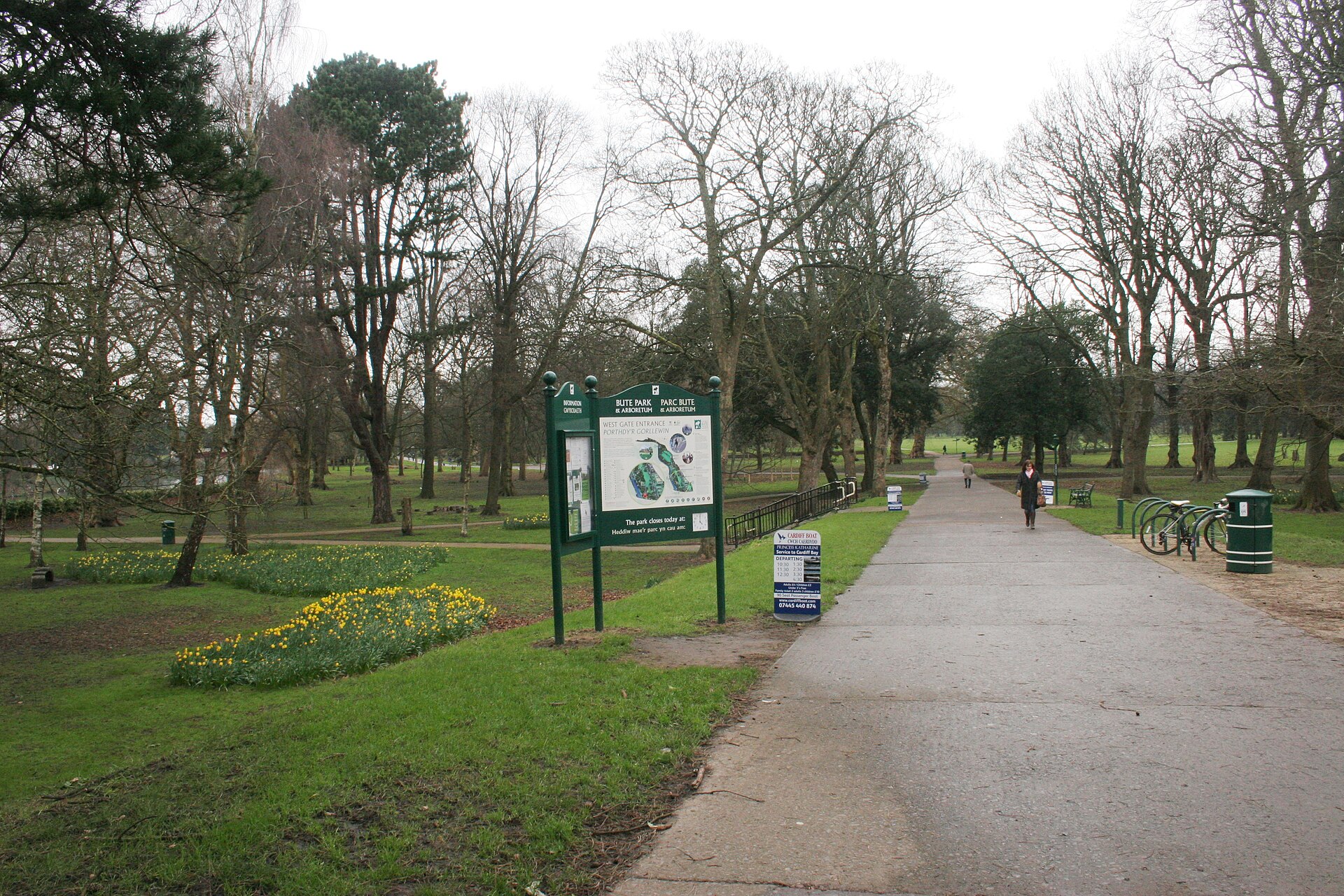
Bute Park begins just behind the castle and follows the course of the Taff: it consists of almost forty hectares of lawns, an arboretum and riverside paths, perfect for a quiet morning. From there, the Taff Trail allows you to walk or cycle north to Llandaff, a neighbourhood with a village feel set around its medieval cathedral. To the south, the path leads to the bay and the Cardiff Bay Barrage, the dam that converted the old tidal estuary into a freshwater lake and which can be crossed on foot or by bike.
A convenient two-day route: spend the first morning at the castle and the arcades, eat at the market and spend the afternoon at the National Museum. On the second day, walk or take the water bus to Cardiff Bay, visit the Senedd and the Millennium Centre and return via the barrage and Bute Park. With an extra day, St Fagans or a trip to Caerphilly Castle and the valleys adds context. Check official train and boat times and prices before linking journeys, and take waterproof clothing: South Wales is green for a reason.