From the Royal Albert Dock to museums and parks: a port city that deserves more than just a photo of the Beatles. In this guide, we have gathered the key points so you can organise yourself at your own pace and with more confidence.
Where Liverpool is located and how the port shaped it
Liverpool is in North West England, on the eastern bank of the Mersey Estuary. The river connects the city to the Irish Sea and explains much of its history: from these docks, goods, emigrants and ships departed, linking Great Britain with the world. It also played a central role in the transatlantic trade of enslaved people; understanding that violence is indispensable for interpreting its maritime wealth.
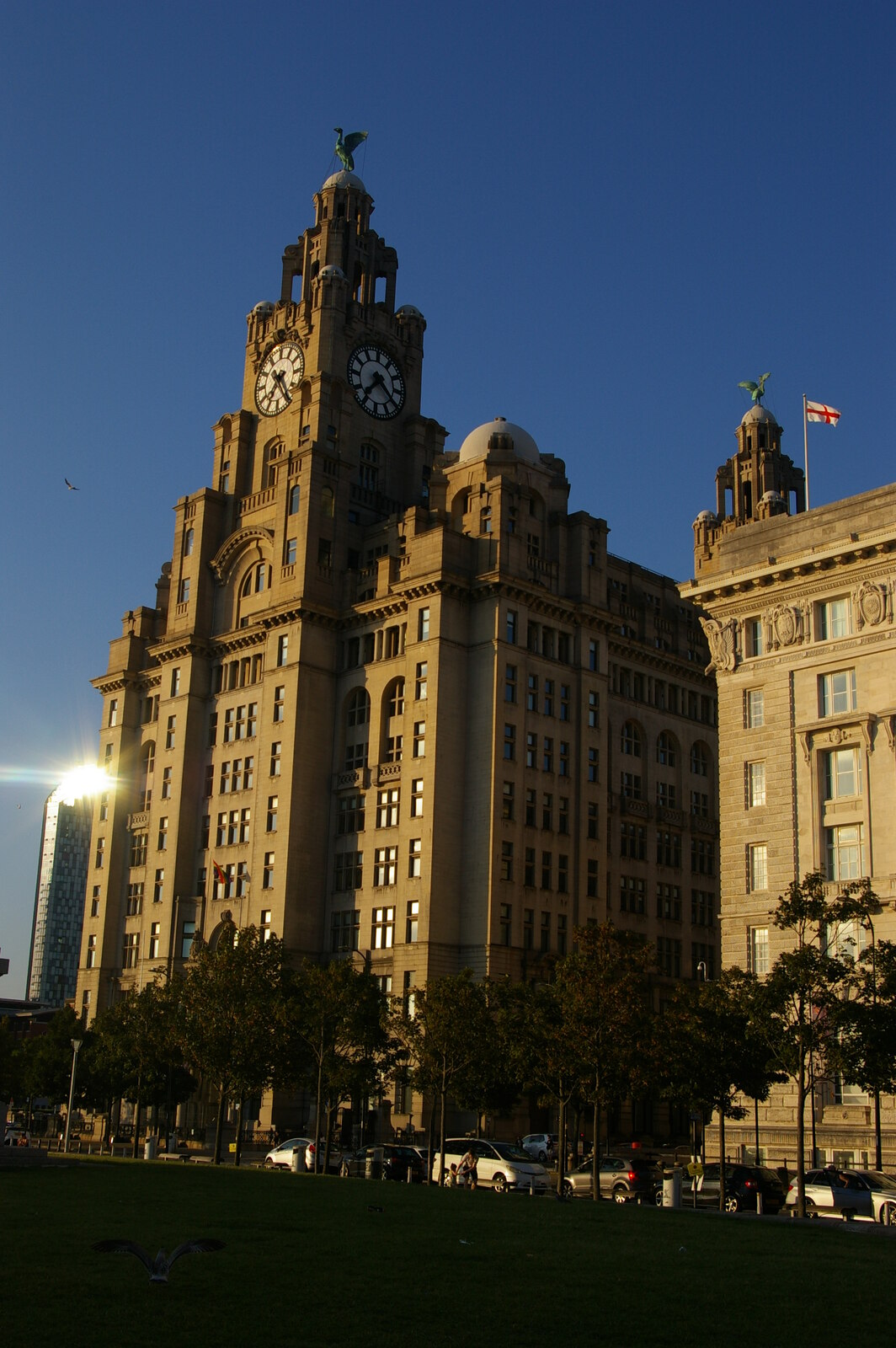
The architecture of Pier Head, featuring the Royal Liver Building, and the warehouses of the Royal Albert Dock show different stages of that prosperity and its contradictions. Following the decline of part of its industrial activity, the old docks were transformed into promenades, cultural spaces and restaurants. A walk from Lime Street station to the waterfront allows you to see how the commercial city, music and water coexist. Allow enough time for walking: the dock is not simply a place to pass through on your way to another visit.
Museums, music and memory
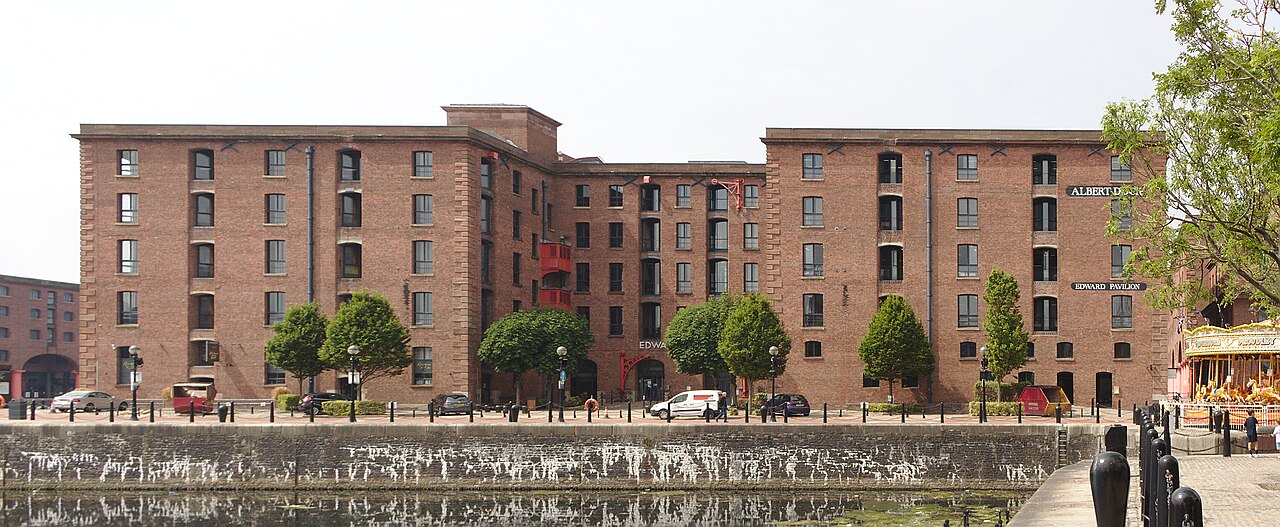
Start at the Museum of Liverpool to place urban history in context, or at the Maritime Museum to learn about the link with the sea. The International Slavery Museum addresses the city's role in slavery and its legacies; check the status of its spaces and exhibitions before travelling, as museum projects change. The Walker Art Gallery and the World Museum extend the cultural day beyond the port.
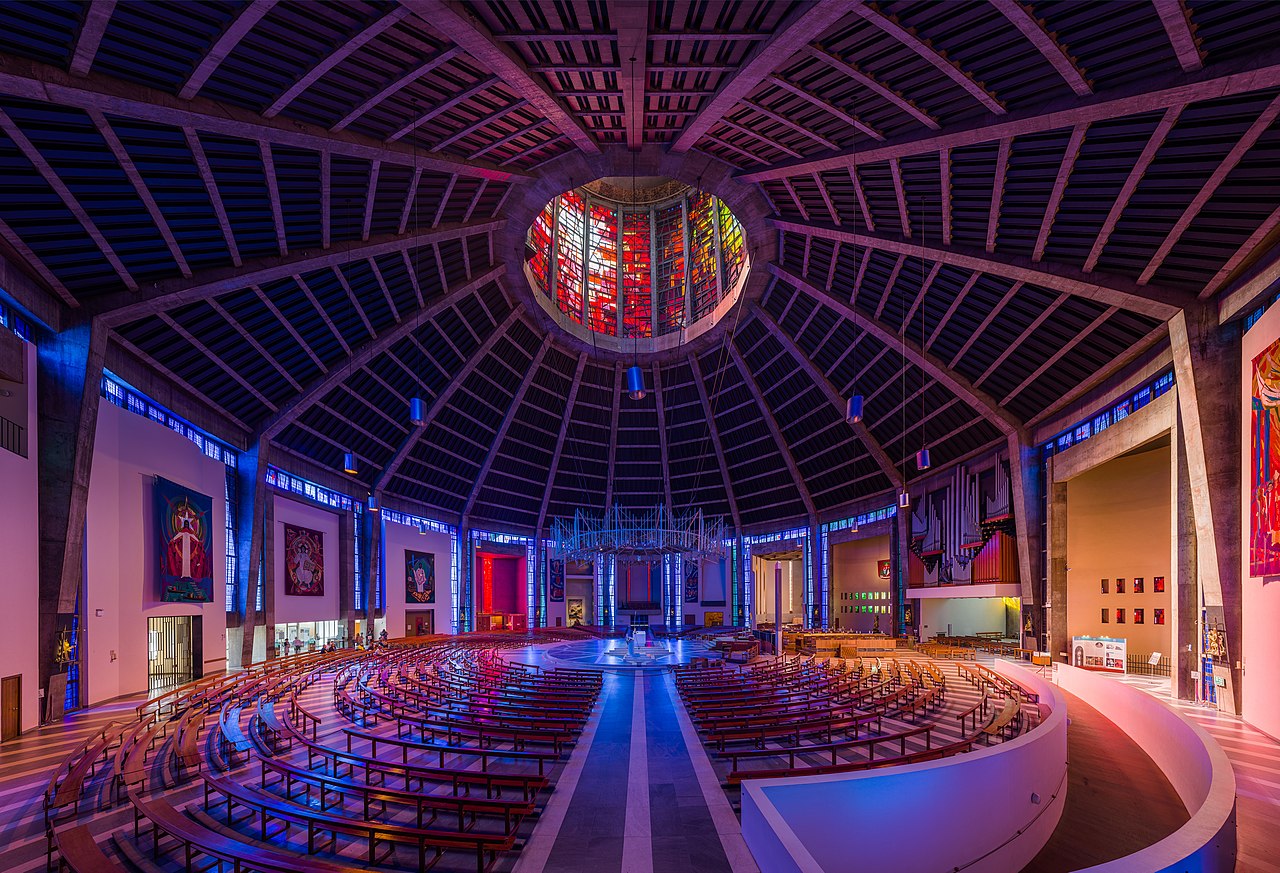
For musical history, the Beatles are a starting point, but they do not exhaust the scene: Mathew Street and its venues recall a tradition that remains alive in contemporary concert halls. The Anglican Cathedral and the Metropolitan Cathedral offer very different architectures; check entry conditions and worship services. Do not try to visit five museums in one afternoon: choose one or two and leave space to wander between buildings, squares and murals.
View tours and tickets with GetYourGuide ↗ (affiliate link)
Markets, cafes and neighbourhood life
Bold Street concentrates restaurants, bakeries and cafes, and is useful for eating between the city centre and the cathedrals. In the Baltic Triangle, you will find repurposed warehouses, creative venues and informal dining; check which establishments are open on the day of your visit. The Baltic Market is an option if your visit coincides with its opening hours, not a guaranteed daily service.
In the centre, there are historic pubs and music bars, as well as restaurants serving multiple cuisines: comparing menus and booking if you are visiting on a Saturday is usually better than just choosing the most photographed venue. The Royal Albert Dock brings together tables with water views, although you can head a few streets away to explore other options. In Liverpool, popular culture is also discovered by talking and listening to music in the neighbourhoods; respect those who live there and avoid treating every street as a tourist set.
Parks, the river and a convenient route
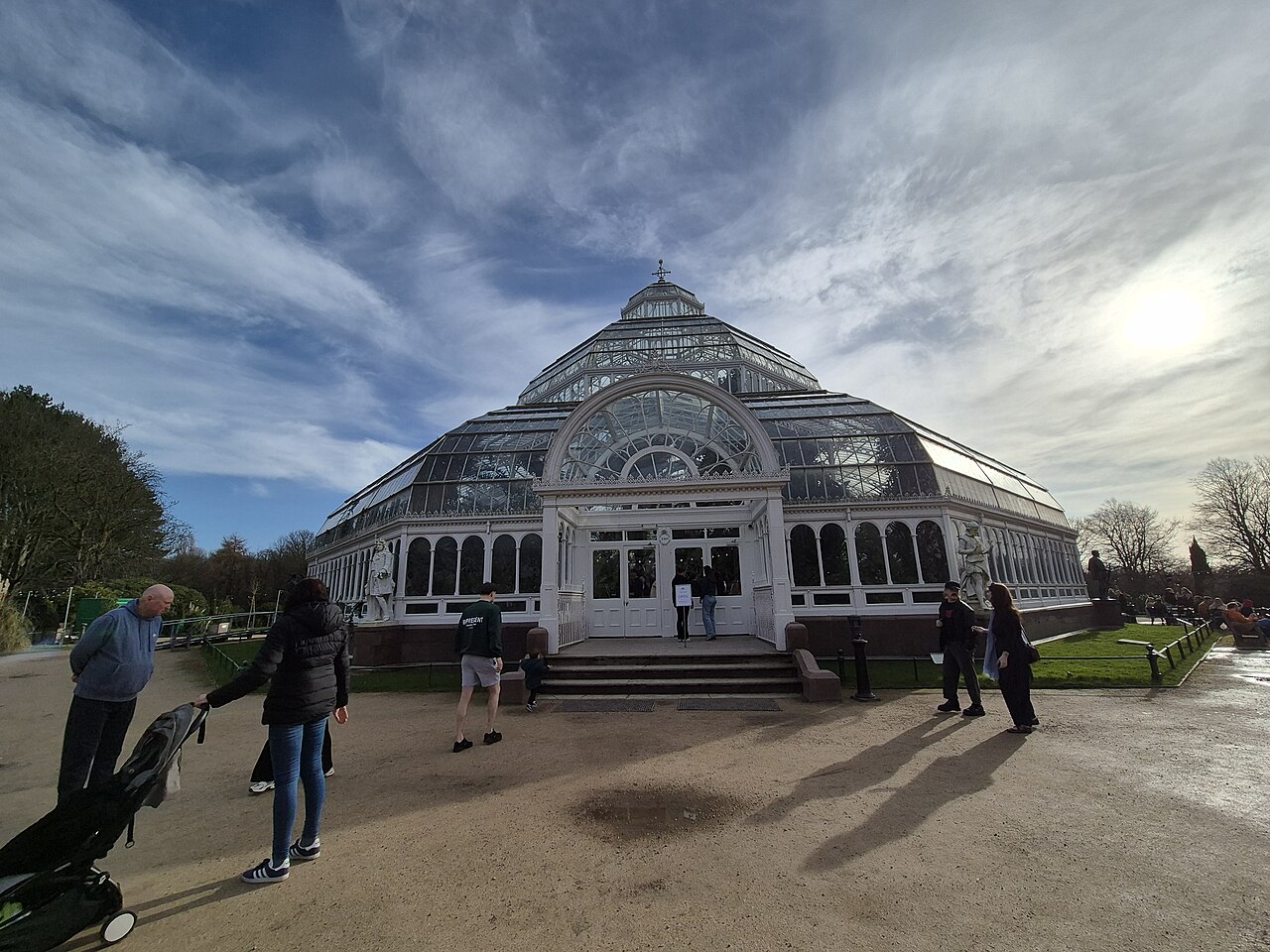
Dedicate a morning to Pier Head and the Royal Albert Dock, then visit a museum and continue towards Bold Street for lunch. In the afternoon, choose between the cathedral area or a Mersey ferry crossing; check official ferry times and prices before planning a connection. If you have another day, Sefton Park and its Palm House offer a green counterpoint to the docks.
The park lies outside the immediate centre: check the bus route and access to the glasshouse. You can also walk along the waterfront and observe the estuary traffic without booking any excursion. Liverpool Lime Street is the main central station and Merseyrail helps with moving around the region; check for engineering works and final services for your return. If travelling in the rain, alternate outdoor routes with museums and bring a jacket: the wind by the water can be surprising even on mild days.