From the Titanic Quarter to the Cathedral Quarter, featuring recent history, museums, a Victorian market and Cave Hill. In this guide, we have gathered the key points so you can organise yourself at your own pace and with more confidence.
Where Belfast is located and what has shaped it
Belfast is the capital of Northern Ireland and is situated in the north-east of the island, where the River Lagan flows into Belfast Lough, surrounded by hills and facing the Irish Sea. You can reach it by plane from various European cities, by train from Dublin in about two hours, or by ferry from Scotland and England. Remember that Northern Ireland is part of the United Kingdom and uses the pound sterling (£), while the Republic of Ireland uses the Euro.
The city grew in the 19th century through linen, engineering and especially the shipyards: Harland and Wolff built the Titanic here, launched in 1911. The 20th century also brought the conflict known as the Troubles, between the late 1960s and the Good Friday Agreement of 1998, the traces of which remain visible in murals, memorials and peace walls. It is a recent and sensitive history: it is worth approaching it with respect, preferably with local guides who explain different perspectives, and avoiding photographing homes or people without permission.
Titanic Quarter, museums and the City Hall
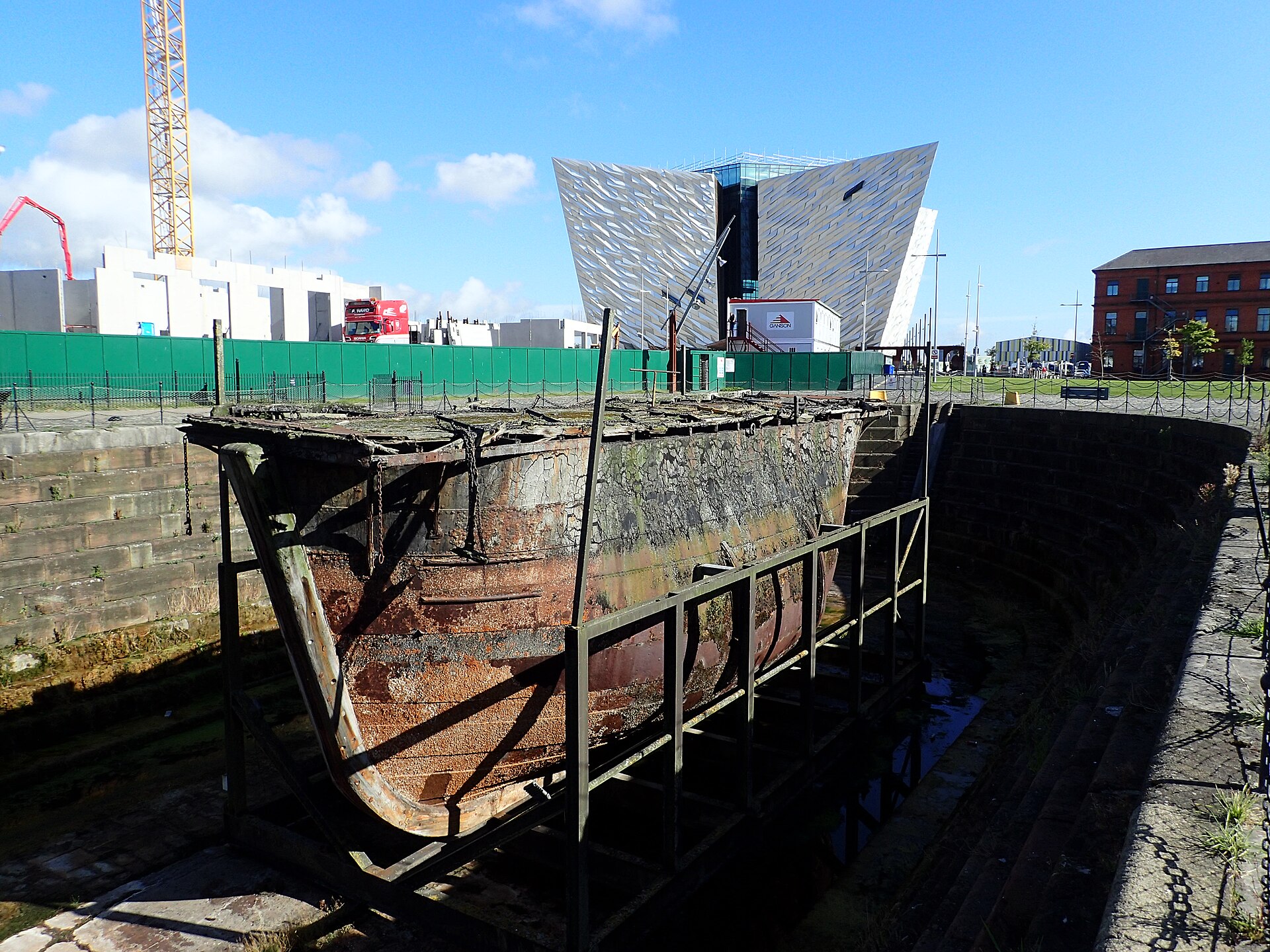
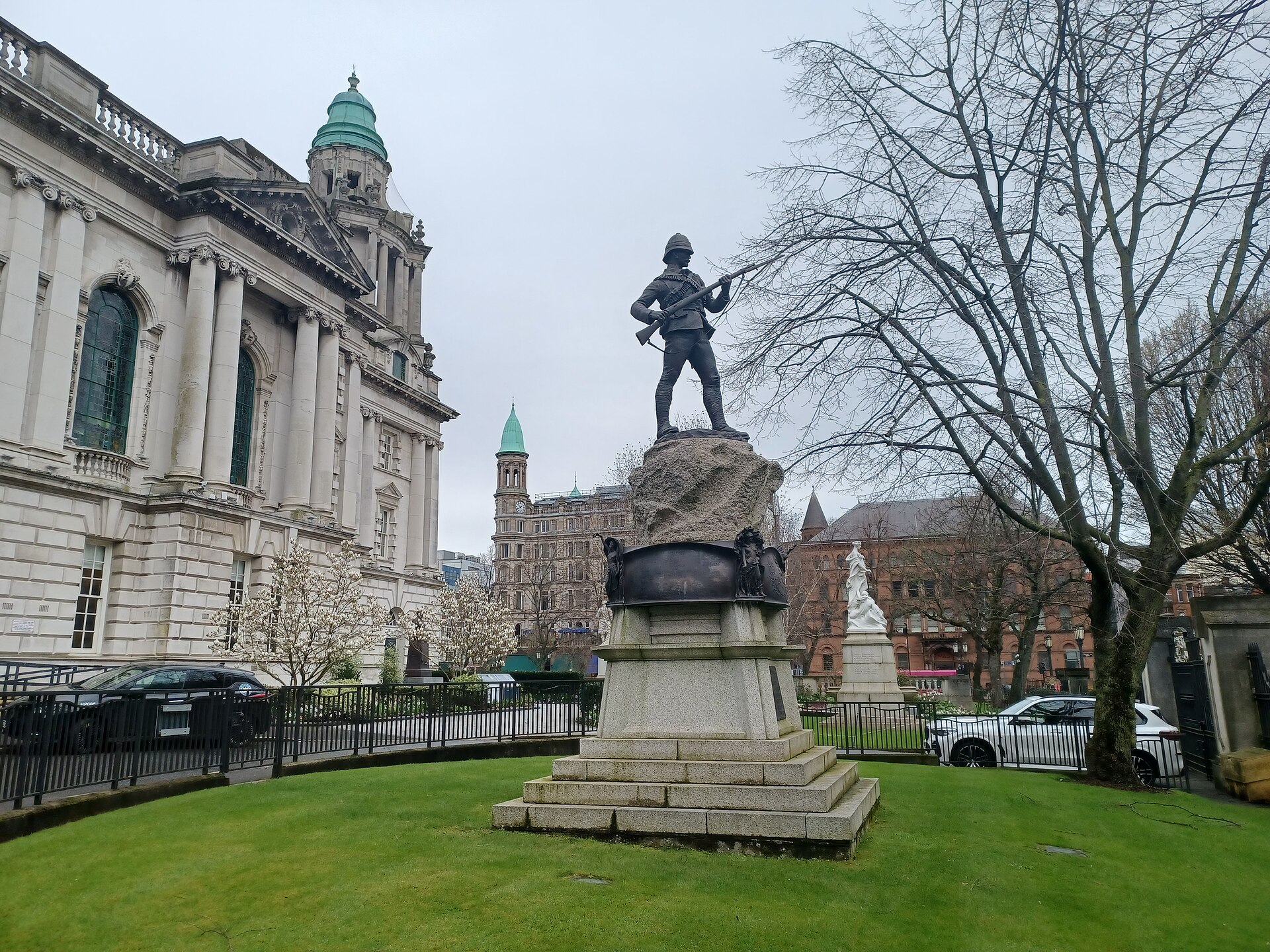
Titanic Belfast occupies the site of the former shipyards and tells the story of the ship and the city that built it; next to the building are the original slipways and the SS Nomadic, the last remaining White Star Line vessel. It is the city's most popular visitor attraction, so buy your ticket in advance and check the official opening hours. Belfast City Hall, in Donegall Square, can be visited for free with guided tours, and its grounds contain several memorials, including the Titanic Memorial Garden.
The Ulster Museum, in the Botanic Gardens, combines art, archaeology and natural history with a section dedicated to the conflict, and general admission is usually free. To understand the murals and the neighbourhoods of Falls Road and Shankill, guided Black Taxi tours are the standard option; choose operators with a good reputation. The Cathedral Quarter concentrates galleries, theatres and live music, and Crumlin Road Gaol, a former Victorian prison, offers guided tours on the city's penal and political history.
View tours and tickets with GetYourGuide ↗ (affiliate link)
St George’s Market, pubs and cafes
St George's Market, a covered Victorian market near the river, is the city's gastronomic highlight: it opens only on certain days of the week, typically Friday to Sunday, with stalls selling local produce, fish, crafts and live music. Confirm the days and times before organising your morning around it. In the centre, you will also find bakeries, coffee roasters and restaurants that work with producers from Down and Antrim.
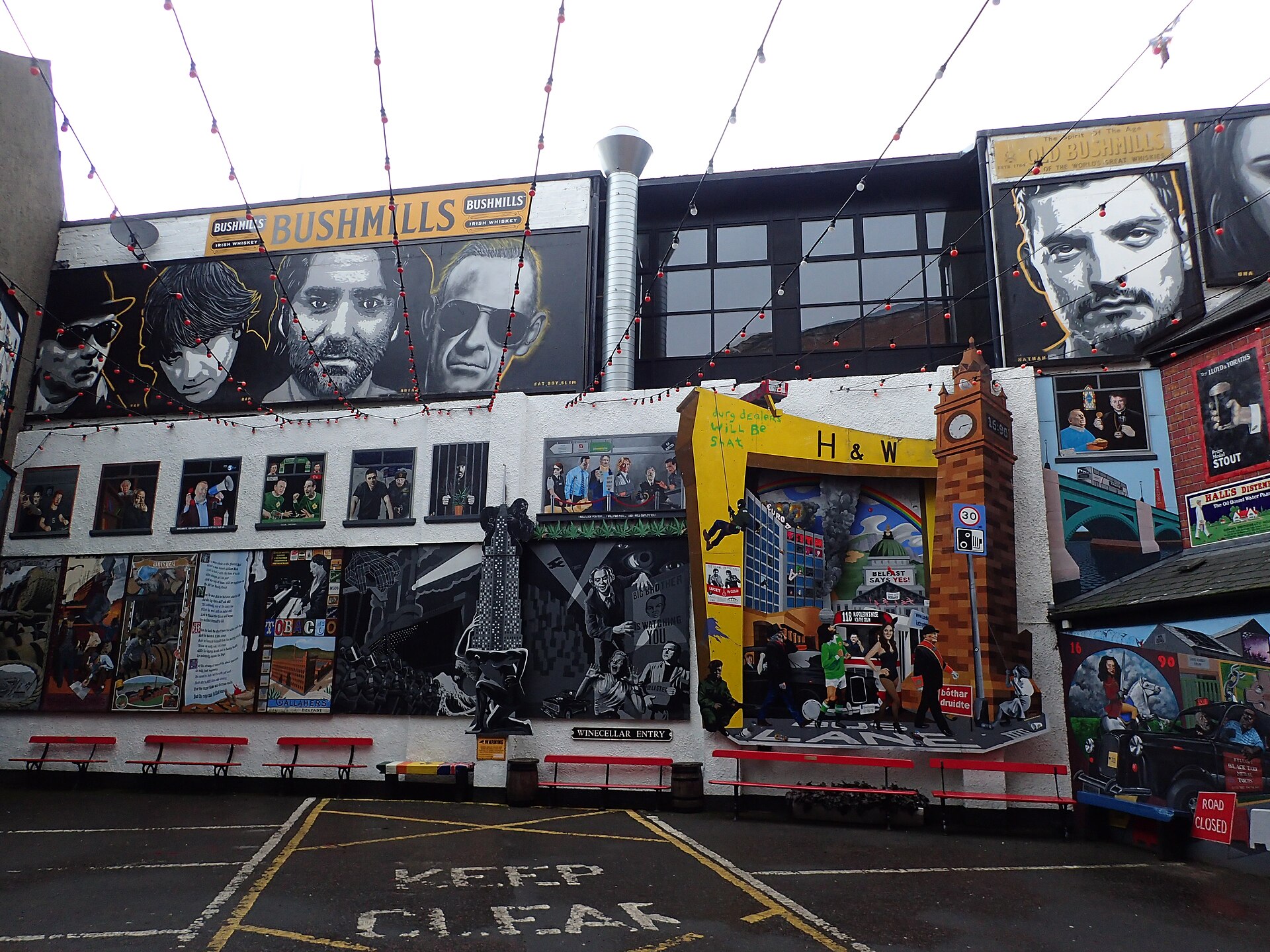
The Cathedral Quarter is the district for going out: narrow alleys with murals, historic pubs like the Duke of York and venues with traditional music almost every night. The Crown Liquor Saloon, opposite the Europa Hotel, is a Victorian pub with wooden snugs protected by the National Trust and is worth a visit even if you only have a drink. For a quiet dinner, the area around Botanic Avenue and Stranmillis, near the university, has more moderate prices. Book for weekends and ask what time the kitchen closes.
Botanic Gardens, Cave Hill and a convenient route
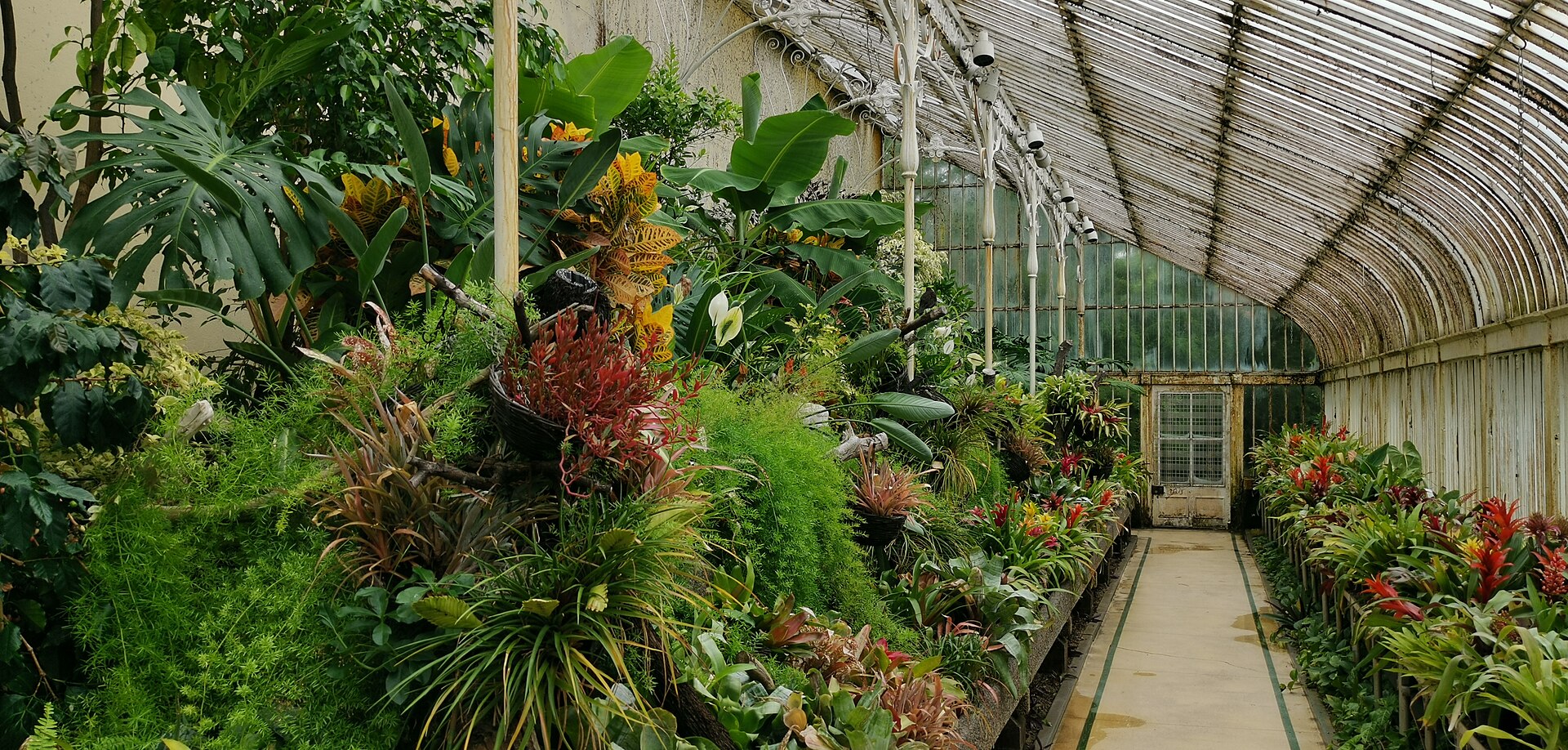
The Botanic Gardens, next to Queen's University, is the most central park: its iron and glass Palm House is one of the world's first curved glasshouses and shares the grounds with the Ulster Museum. To the north of the city, Cave Hill Country Park climbs up to the viewpoint known as McArt's Fort, with views of the entire lough; the path is steep and muddy after rain, so you need appropriate footwear and some time. Within the park itself is Belfast Castle, dating from the 19th century.
A convenient two-day route: first morning at City Hall and the centre, afternoon at Titanic Belfast and a walk along the Lagan; second day at the Ulster Museum and Botanic Gardens, with a mural tour in the afternoon. If you stay longer, the Giant's Causeway and the Antrim coast can be visited on a day trip, and Derry/Londonderry is about two hours away by train. Check official Translink timetables and prices before booking, and bring a waterproof jacket all year round.