A route through the Industrial Revolution, galleries, markets and the canals of Castlefield. In this guide, we have gathered the key points so you can organise yourself at your own pace and with more confidence.
An Industrial City in the English North West
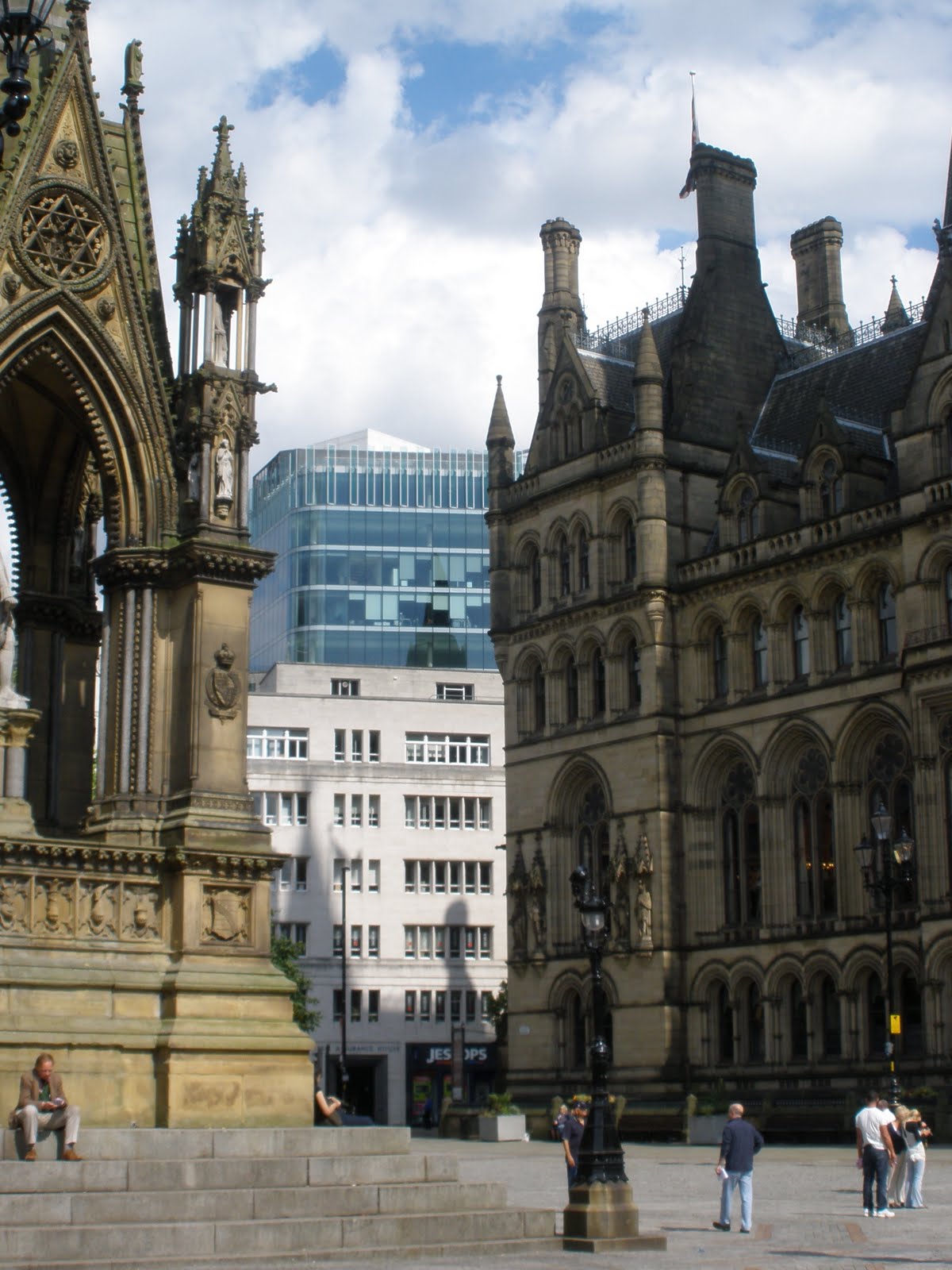
Manchester is located in the North West of England, by the River Irwell and next to Salford. Its modern history is tied to the textile industry: during the Industrial Revolution, factories, warehouses, railways and canals transformed the city and the lives of those who worked in it. The wealth of trade coexisted with harsh working conditions and gave rise to movements for social reform and political rights.
Walking through Castlefield allows you to recognise old repurposed canals and viaducts, while the city centre buildings show how the city continued to reinvent itself. Manchester is not just about football: its universities, music and diverse communities sustain a broad cultural life. If you arrive at Piccadilly, you can walk to the Northern Quarter and from there to the centre; some areas near the canals are more spread out. Dedicating at least one full day, ideally two, prevents the visit from becoming a race between stations and stadiums.
Libraries, Museums and Galleries
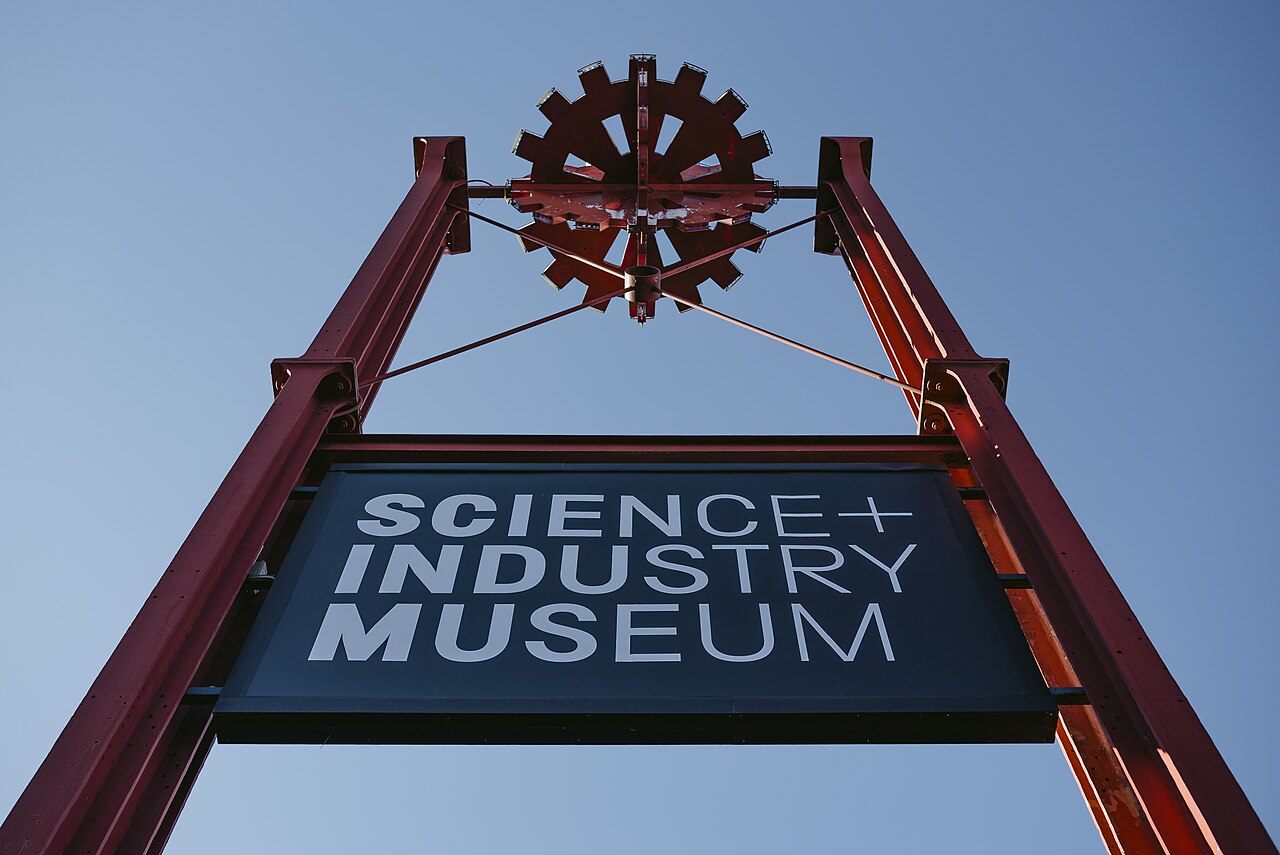
The Science and Industry Museum occupies buildings linked to the industrial and railway past; check which galleries are available, as there may be temporary closures. The John Rylands Library is impressive for its architecture and its collections, but it is an active library and it is advisable to respect its visiting rules. Manchester Art Gallery and The Whitworth allow a choice between historical and contemporary art, with the latter associated with the green surroundings of Whitworth Park.
To understand social history, the People's History Museum explores democratic participation and popular movements. If you prefer sport, check official stadium tours and book separately: do not assume that a match ticket allows you to tour the museum. Choose one main museum per morning and use the rest of the time to discover the streets between one venue and another.
View tours and tickets with GetYourGuide ↗ (affiliate link)
Markets, Food and Music Nights
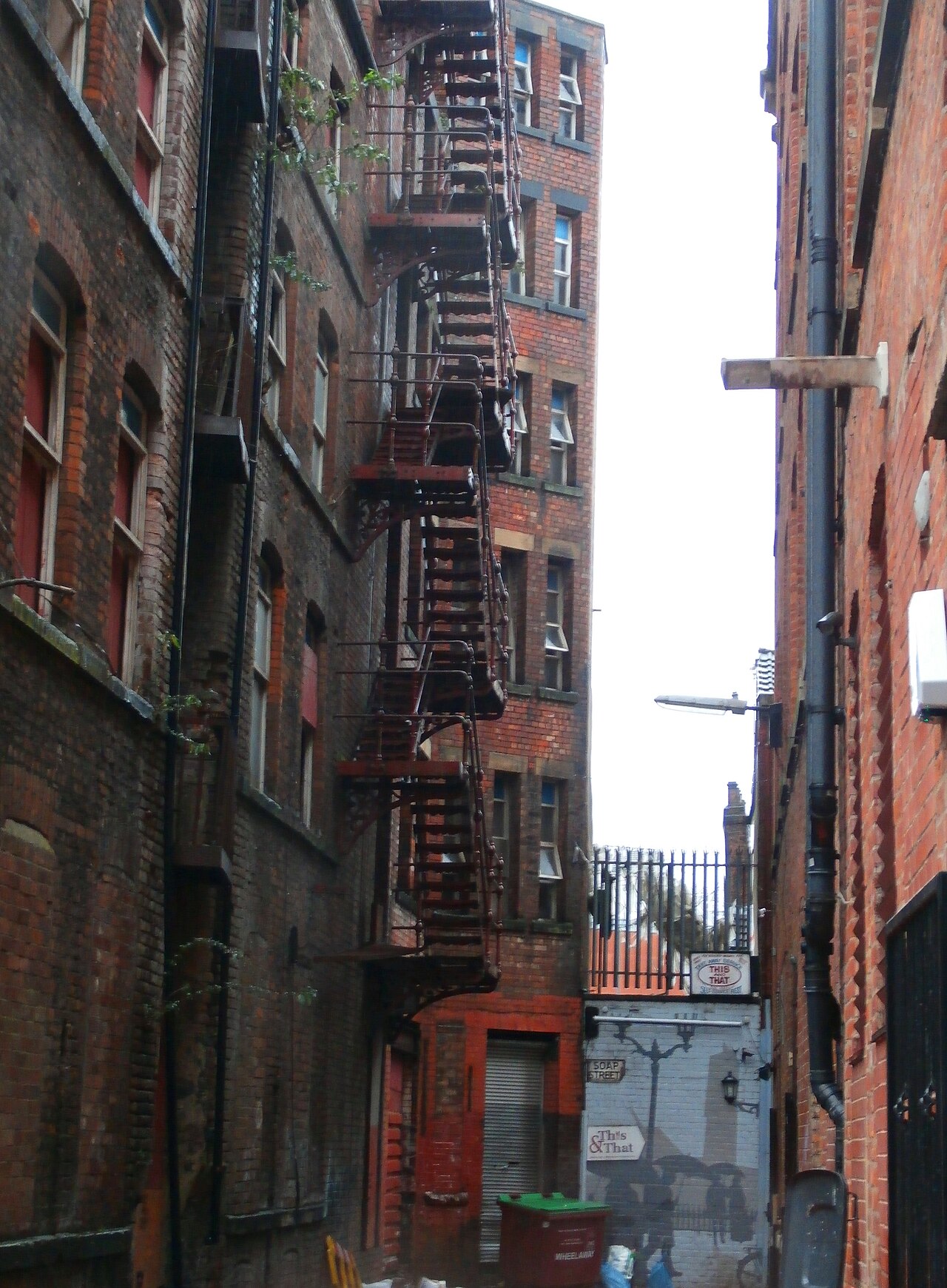
The Northern Quarter combines independent shops, murals, cafes, bars and small restaurants. Its atmosphere changes between a morning stroll and a night of concerts; check the venue schedules instead of relying on old recommendations. The Arndale Market brings together food stalls and trade in the centre, while other markets and temporary gatherings vary according to the season.
In Ancoats, former industrial spaces now house bakeries and restaurants, but the neighbourhood remains residential: walk with care and avoid blocking doorways to photograph buildings. Castlefield offers pubs and terraces by the canal; ask about kitchen hours if you want to dine late. There are options for very different budgets and there is no need to book every meal. On weekends with sporting or musical events, it is advisable to check availability and return transport.
Canals, Parks and Travel
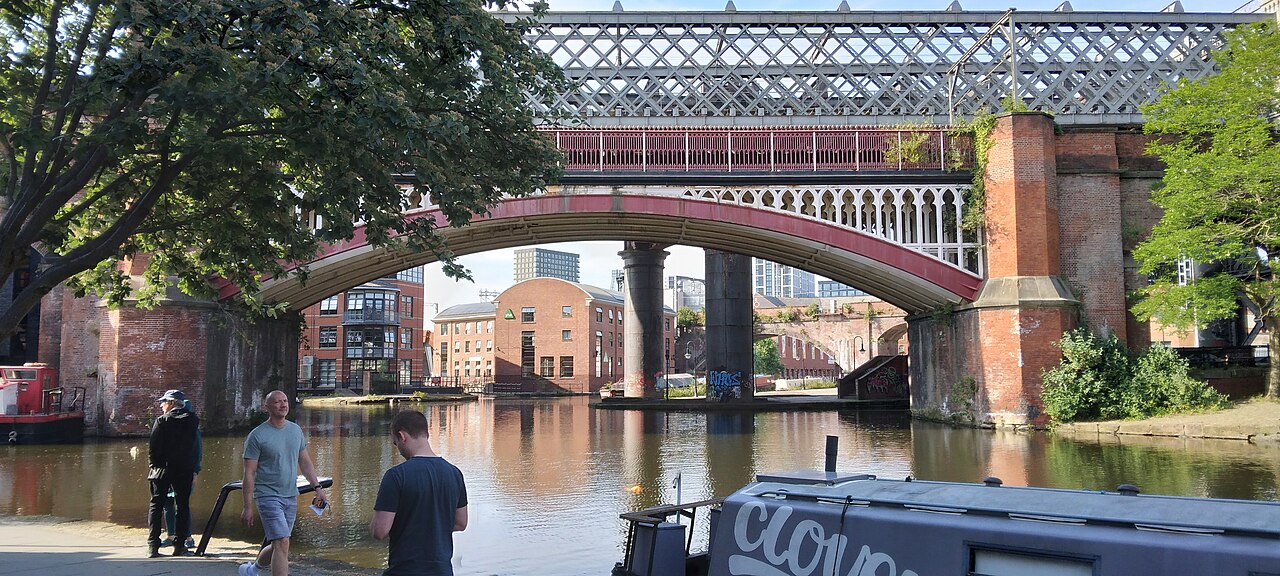
A reasonable route links Piccadilly, Northern Quarter, John Rylands Library and Castlefield, leaving a break for lunch. If you have a second day, combine a museum with the area around the Whitworth or look for a music or football activity that genuinely interests you. The Bridgewater Canal and the waterfront areas of Castlefield are best enjoyed by walking public routes; pay attention to cyclists and edges without barriers.
For a larger space, Heaton Park is to the north and requires additional transport. Metrolink trams connect many areas, but check zones, fares and possible works on Transport for Greater Manchester. Manchester is also a railway hub for other cities in the North West; leave a margin when changing trains and check accessibility if travelling with luggage. The weather can be damp: alternating walks and indoor visits usually works better than imposing a rigid route.