From the medieval market of Norwich to the waterways and beaches: different ways to experience Norfolk. In this guide, we have gathered the key points so you can organise yourself at your own pace and with more confidence.
A county between city, water and sea
Norfolk is located in the east of England, facing the North Sea. Norwich is its main urban centre, while The Broads and the coast showcase landscapes of rivers, marshes, villages and beaches. The history of Norwich includes medieval trade, textile manufacturing and a great tradition of markets.
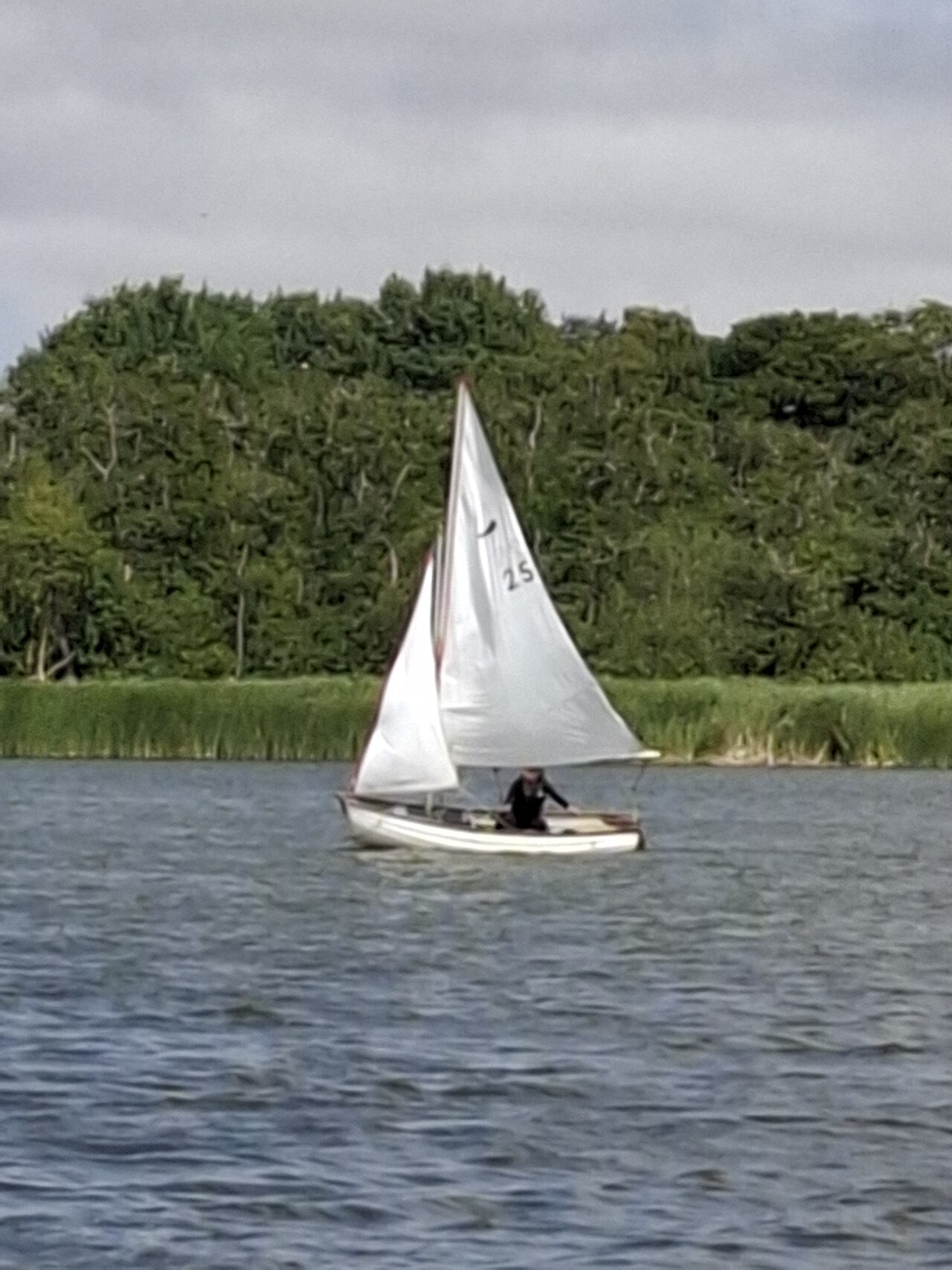
Its cathedral and ancient streets recall that prosperity, but today's city also has galleries, theatres and an active food scene. In the Broads, the navigable waterways and lakes arose in part from ancient flooded peat excavations; today they form a protected landscape that demands respect for wildlife and other vessels. On the coast, towns such as Cromer and spaces like Holkham offer very different plans. Norwich is a useful base if you are relying on the train, although reaching certain beaches or moorings requires checking buses and additional travel arrangements.
Cathedral, castle and museums
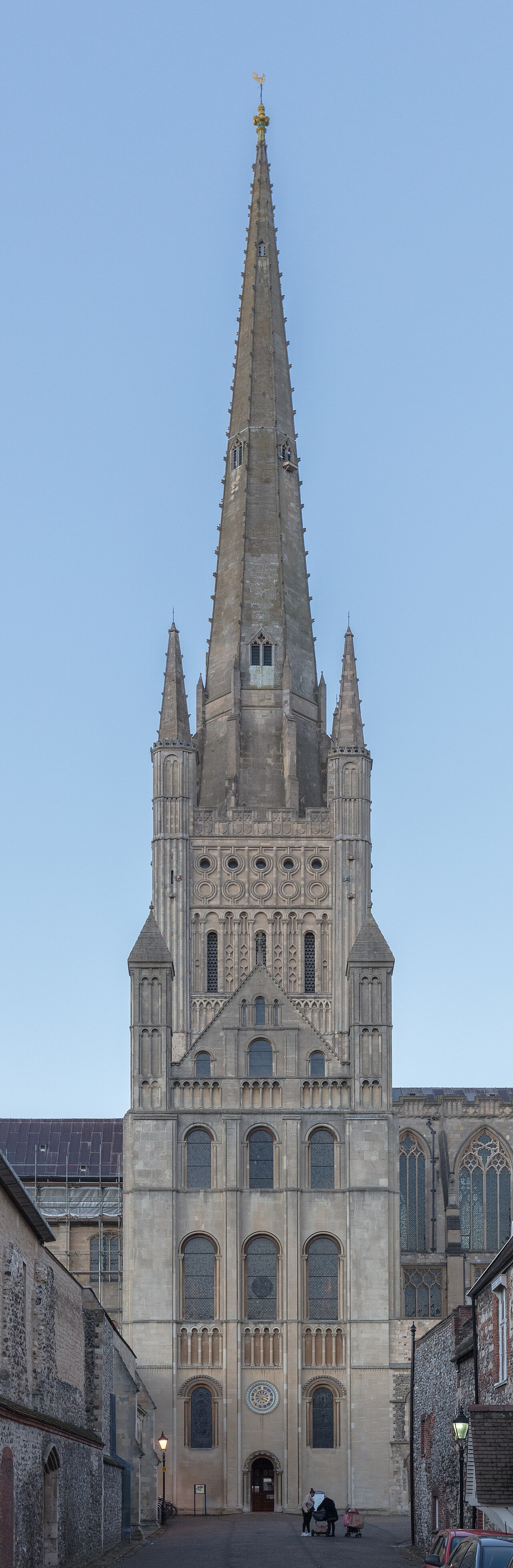
Norwich Cathedral is a stop to understand the city's medieval past; as an active place of worship, access may vary during services and events. Norwich Castle Museum and Art Gallery brings together history, archaeology and art, but check the available areas if there are works or exhibition changes. Around Elm Hill you will find historic streets and small shops; do not mistake its postcard appearance for an open-air museum, as these are spaces where people work and live.
Near the coast there is maritime heritage and small local museums whose calendars may be seasonal. If you are travelling with children, alternating an indoor visit with a short tour of the centre usually works better than accumulating venues. Consult the museum websites before fixing the order: opening times and booking systems can change and some exhibitions have their own entry fee.
View tours and tickets with GetYourGuide ↗ (affiliate link)
Market, cafes and quiet afternoons
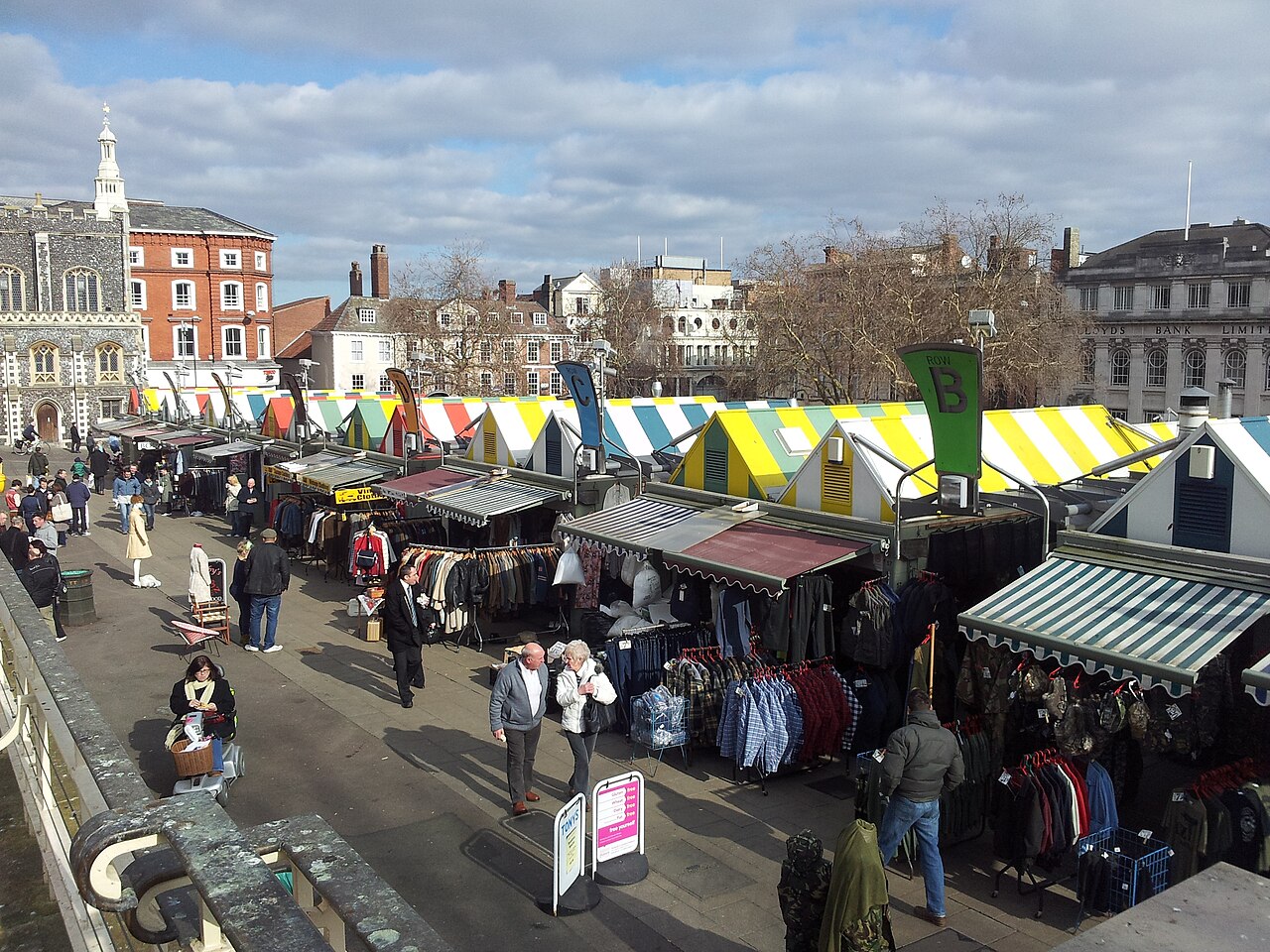
Norwich Market is one of the most useful places to start: there are food stalls, shops and varied products, with opening hours that should be checked on the city council website. The streets around the square bring together cafes, pubs and restaurants to continue after visiting the cathedral or the castle. On the coast, Cromer offers cafes and venues to try seafood when available; ask about its provenance and season, especially if you are looking for local crab.
The villages of the Broads have riverside pubs, but not all open late or serve food outside of main hours. Book when an establishment is important for your route on a weekend. Norfolk is best enjoyed with breaks: sitting to watch a market street or the passing boats can offer as much as another ticketed visit.
Broads, beaches and getting around
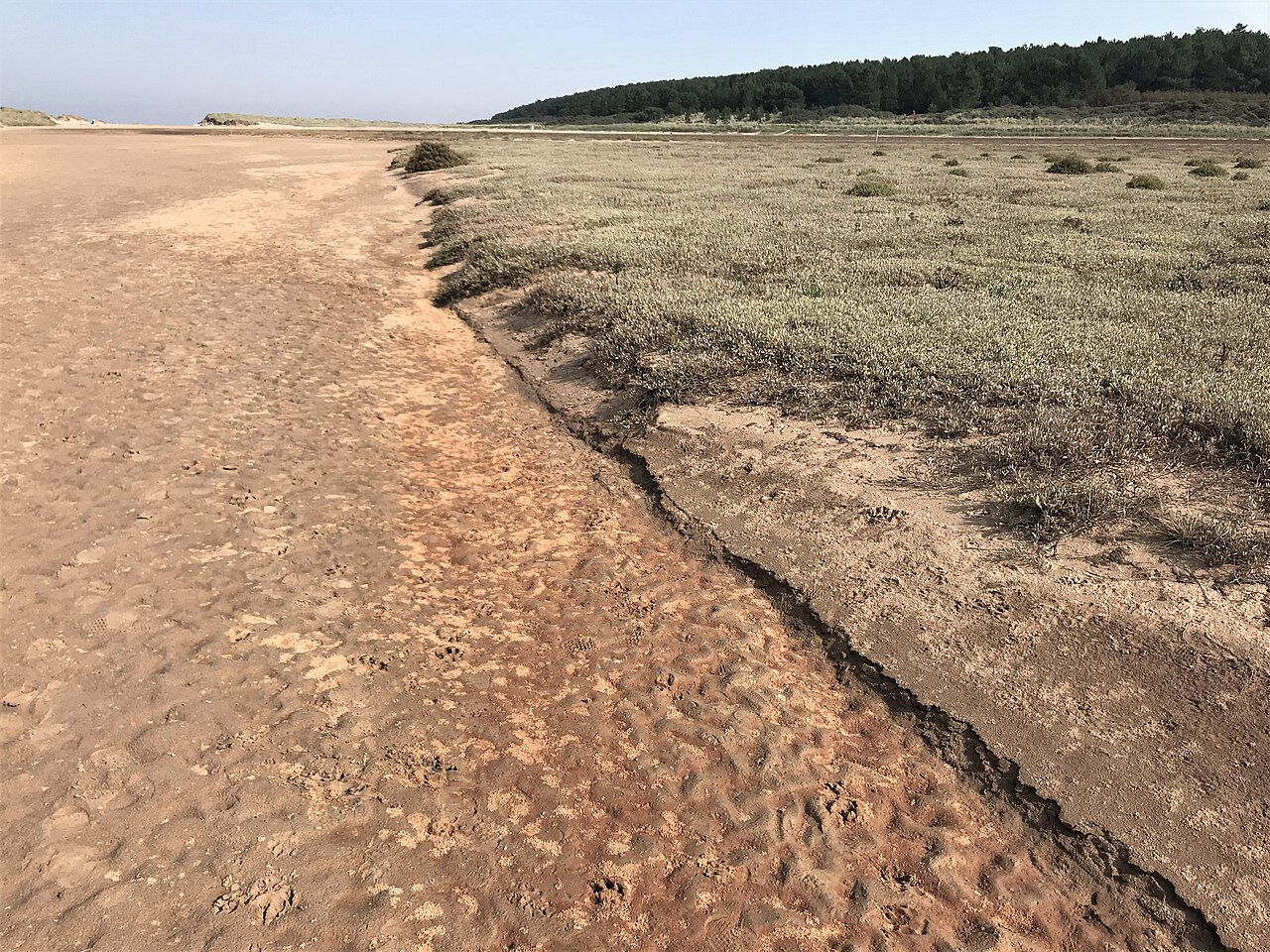
You can dedicate one day to Norwich, from the market to the cathedral and its side streets; leave another day for the Broads or the coast. To navigate, only hire from authorised companies and follow local safety and speed instructions; if you prefer dry land, look for signposted paths and viewpoints. The Holkham coast has wide sandy spaces and sensitive dunes: respect the routes and conservation notices, and calculate the return distance with the tide and wind.
Cromer offers another atmosphere with its promenade. Greater Anglia trains link Norwich with destinations such as London and some towns in the region, but they do not reach every natural spot. Check bus connections and return times before setting off. Take warm clothing for the coast even if it is sunny in Norwich: conditions by the sea can be very different.