A guide to discovering the real London: from Westminster and the Thames to its markets, museums, parks and neighbourhoods, with flexible routes and practical advice. In this guide, we have gathered the key points so you can organise yourself at your own pace and with more confidence.
Where is London and how did it become the city it is today?
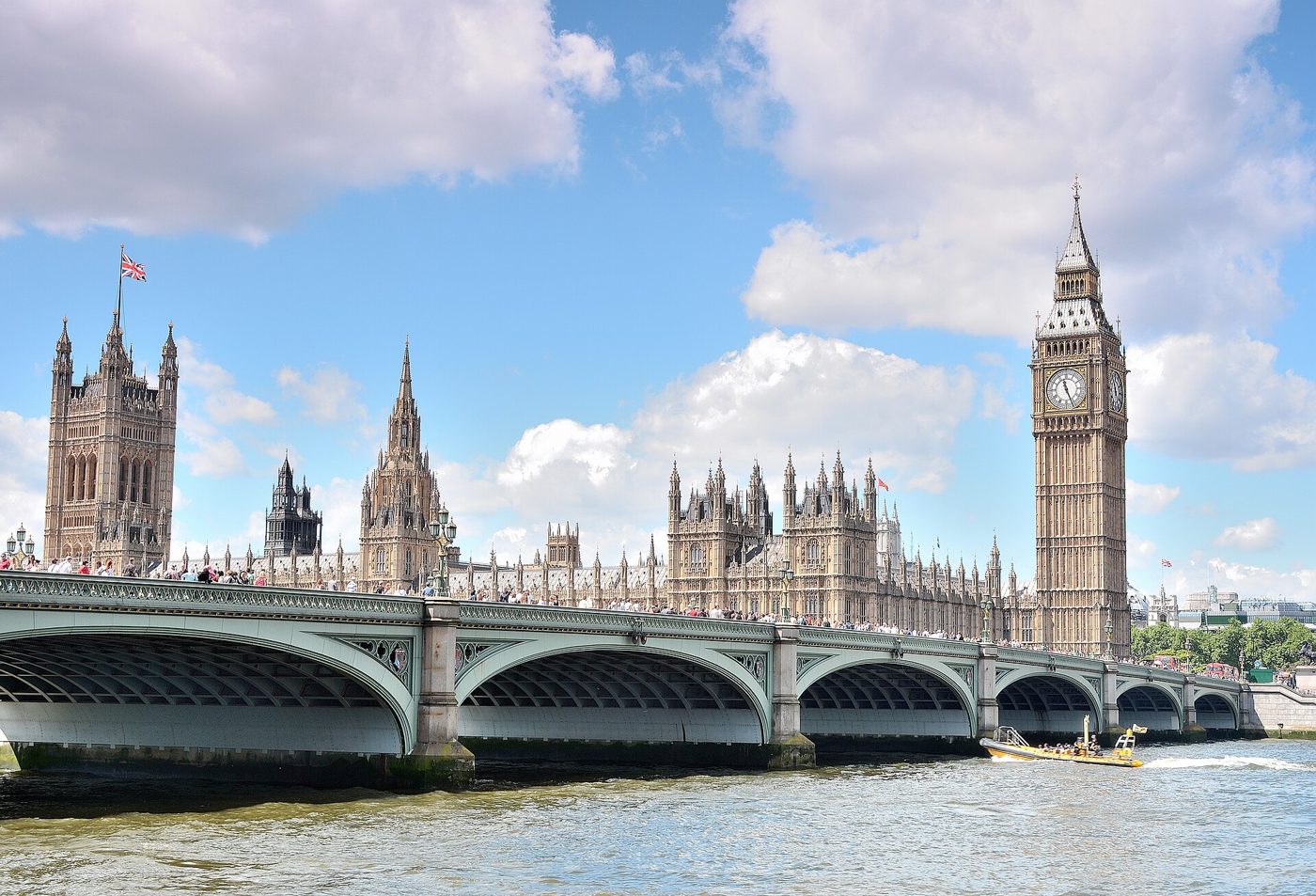
London stretches across both sides of the Thames in south-east England. It is the capital of the United Kingdom, but it cannot be summed up simply by Parliament or red buses. Its neighbourhoods are almost like small cities: Westminster concentrates institutions, the City preserves the historical financial core, Southwark looks at the river from the south bank and the East End recalls successive waves of trade and migration. Choosing one area each day allows you to get to know it on foot instead of spending the trip inside the Tube.
History begins long before its grand avenues. The Romans founded Londinium by the river and the city grew as a trading port. The Great Fire of 1666 destroyed much of the old City; the reconstruction left churches and buildings associated with Christopher Wren, including St Paul's Cathedral. During subsequent centuries, empire, industry and the arrival of communities from all over the world transformed its scale. Today, medieval buildings, Victorian architecture, old industrial warehouses and contemporary stations coexist: this mix explains much of the interest in walking without a rigid itinerary.
For a first visit, three full days allow you to see the essentials; four give space for Greenwich or for revisiting the neighbourhood you liked best. Distances are deceiving on the map: two points that appear close can be separated by a river, a large station or a park. It is advisable to group each day by areas and leave at least one afternoon without pre-booked tickets. London is enjoyed as much in the journeys as inside its monuments.
Locate your accommodation near a station that connects to the areas you want to visit; there is no need to sleep right next to Big Ben.
Westminster and South Bank: River London
Start at Parliament Square to recognise the Houses of Parliament and the clock tower popularly known as Big Ben. Westminster Abbey is just a few steps away: if you wish to enter, check their website for tours and service times before organising your day. You don't need to pay for a ticket to enjoy the surroundings; walking through the side streets towards St James's Park allows you to get away from the crowds and see another side of the government quarter.
Cross Westminster Bridge on foot to view Parliament from the south bank. The South Bank walk links cultural spaces, food stalls and changing views of the Thames. You can continue towards the Southbank Centre, the National Theatre and Tate Modern, housed in a former power station. Access to the general collections of many public museums is free, although temporary exhibitions and some activities may be paid. Check the programme and avoid trying to see everything in a single afternoon.
From Tate Modern, Millennium Bridge offers a perspective of St Paul's Cathedral. If you continue downstream you will reach Borough Market and London Bridge. This stretch is best covered with time to stop: a bench facing the river can be more memorable than a fourth pre-booked attraction. On rainy days, combine the walk with covered spaces and carry a light waterproof layer; the weather changes even in summer.
View tours and tickets with GetYourGuide ↗ (affiliate link)
Markets, Restaurants, Cafes and Pubs
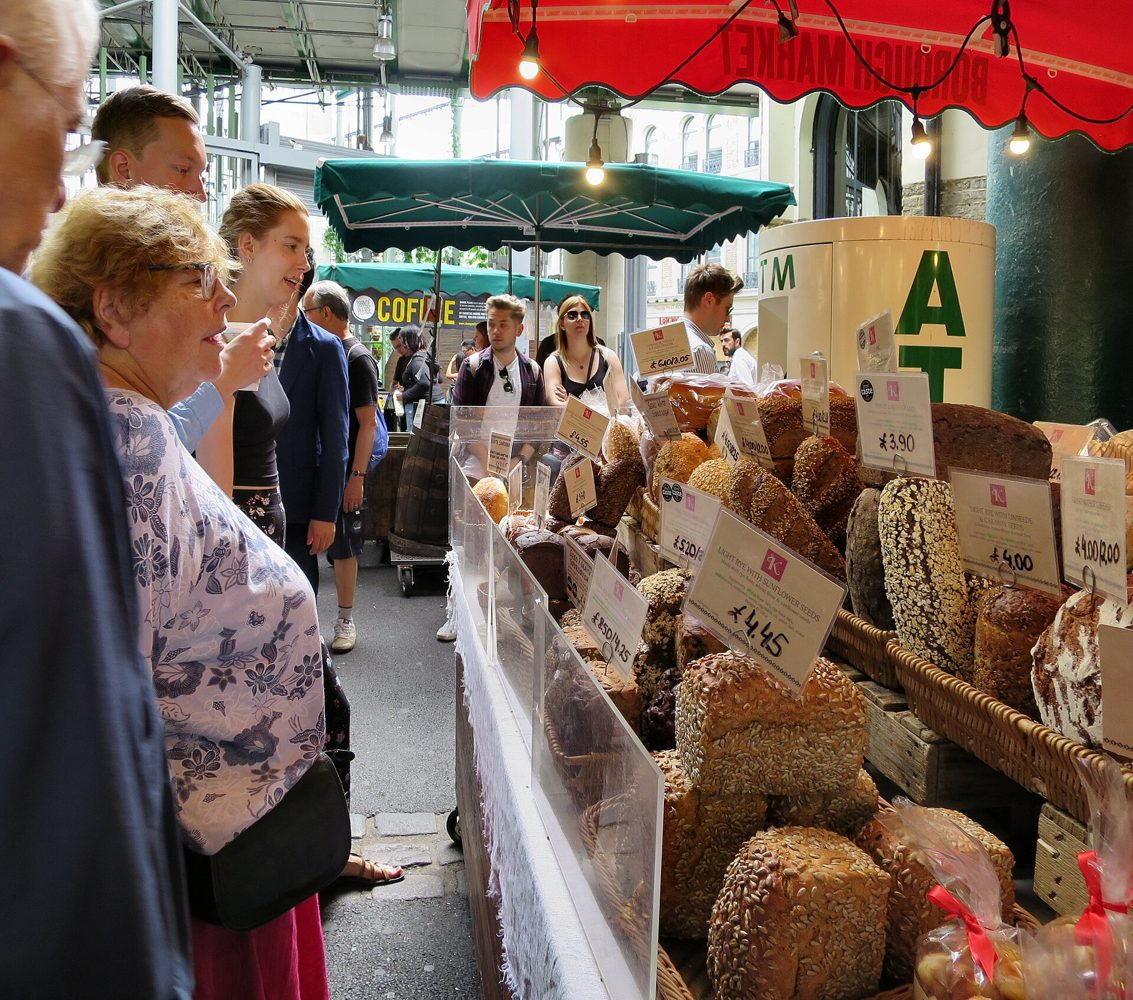
Borough Market, next to London Bridge, brings together food shops and stalls where you can eat something without turning lunch into a formal reservation. It is very busy at certain times: checking its official days and hours avoids arriving when the main market has already closed. Look at prices before ordering and also walk through the nearby streets of Southwark, where you will find cafes and restaurants to sit down more quietly.
For a different atmosphere, Old Spitalfields Market combines traders and food stalls near Liverpool Street. Camden Market is more extensive and lively, with clothes, objects and a great informal offering around the old industrial spaces. Portobello Road in Notting Hill changes a lot depending on the day: the antiques market is most active on specific days. Greenwich Market works well if you decide to spend a day south of the river. None of these places are identical; choose one or two according to your interests instead of chaining five shopping trips without getting to know their neighbourhoods.
The city offers cuisines from many origins. In Soho, Covent Garden and Chinatown there is a concentration of restaurants, but also queues and variable prices. In residential areas like Marylebone, Bermondsey or Stoke Newington you can find a different pace. For a British break, go into a local pub and check if it serves food, until what time the kitchen stays open and if it accepts bookings; they do not all work the same way. An independent coffee shop can be the best stop between a museum and a walk. As venues change, this article does not promise a specific restaurant will be open on the day of your trip.
Museums and Galleries: Choosing well is better than rushing
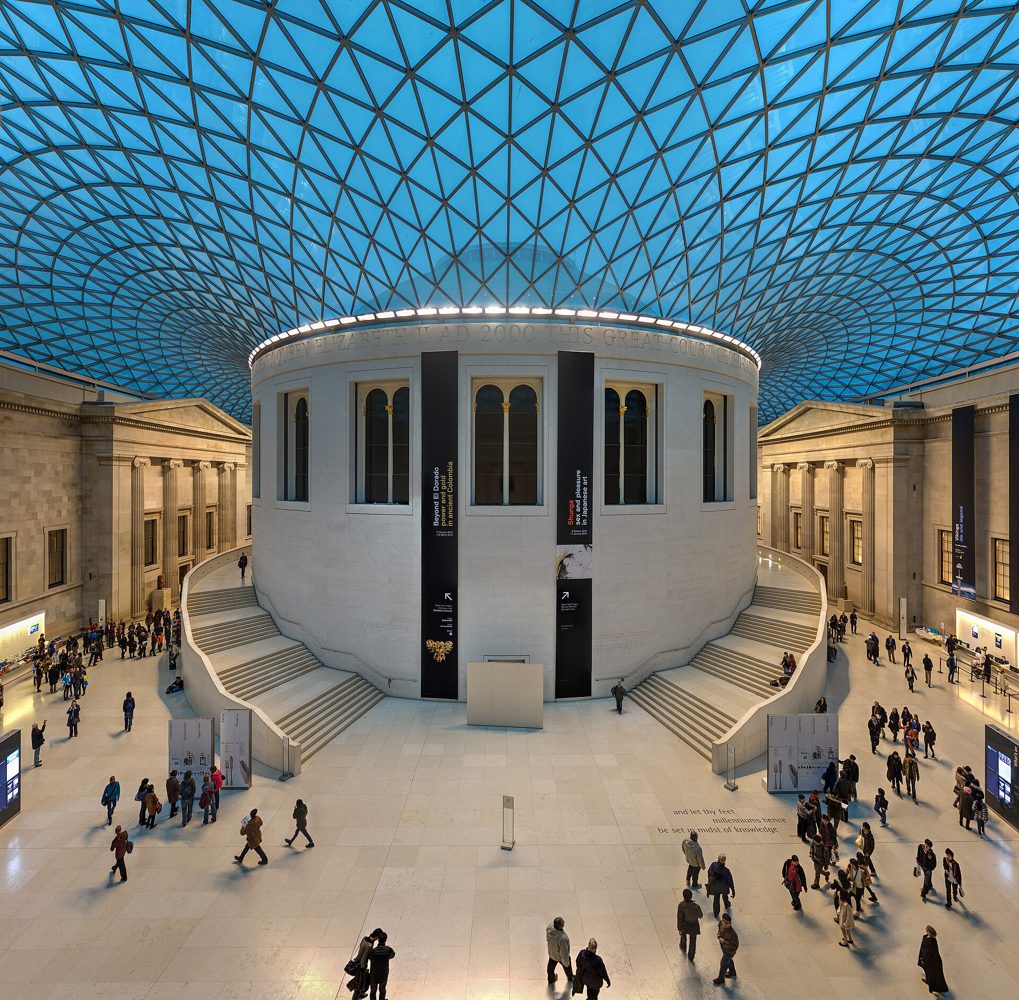
The British Museum in Bloomsbury allows you to explore collections of history and cultures from many continents. Its Great Court is worth the visit, but the museum is too vast to see entirely in one morning: choose a few rooms before entering and check its current access conditions. The history of how some pieces arrived in the collection is also part of the contemporary conversation about museums; reading the panels with a critical spirit enriches the experience.
South Kensington concentrates the Natural History Museum, the Science Museum and the Victoria and Albert Museum. The three are close by, although each deserves hours. If travelling with children, choose by interest and leave time to rest. The V&A brings together design, decorative arts and fashion; Tate Britain in Millbank focuses on British art; the National Gallery, next to Trafalgar Square, allows for a visit to see paintings right in the centre. On the south bank, Tate Modern offers modern and contemporary art in a building that also tells an industrial story.
Check the official website of each museum to find out if you need to book a time slot, which exhibitions require payment and which rooms may be closed. Do not assume that "free admission" means all activities are free. A good plan is one main museum per day and a small gallery or outdoor walk afterwards, instead of moving from one queue to another.
The Tower, Tower Bridge and the Creative East
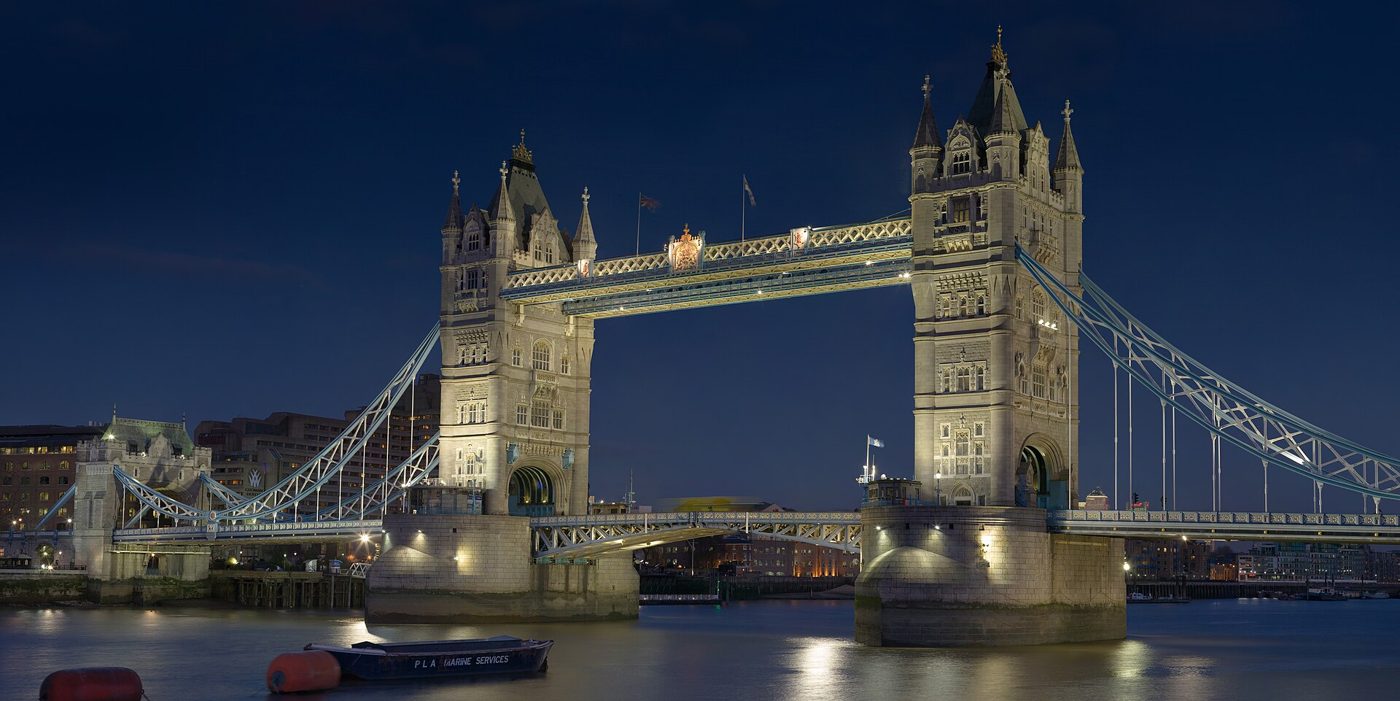
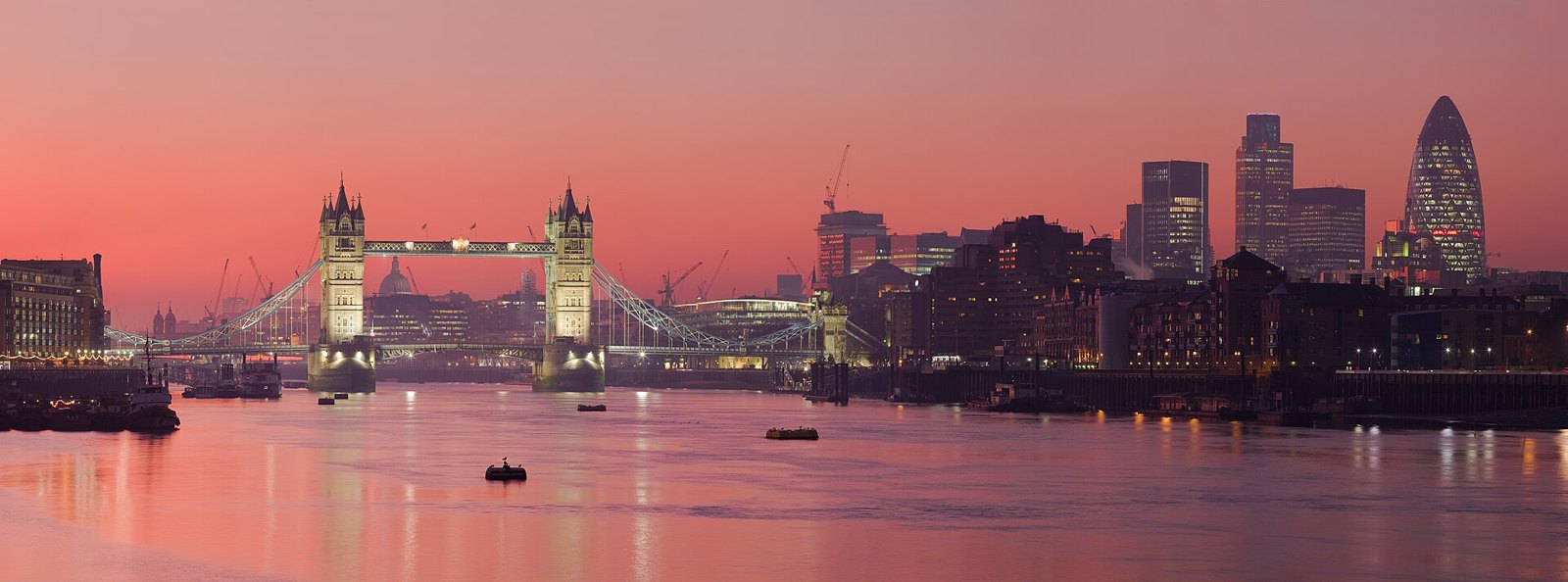
The Tower of London was a fortress, royal residence and prison. If you want to tour its exhibitions and see the Crown Jewels, set aside plenty of time and check tickets at Historic Royal Palaces; it is a visit of several hours, not just a photo stop. Very close by is Tower Bridge: it is the bridge with the two towers that many visitors confuse with London Bridge. It can be crossed for free on foot; the interior exhibition and its walkways have their own entry conditions.
From there you can walk along the water towards St Katharine Docks or explore the streets of the City. At weekends part of the financial district is quieter, while during the week its working life can be appreciated. Towards the east, Shoreditch brings together street art, workshops, cafes and nightlife spots; Old Spitalfields Market adds shops and food. The brick facades and repurposed buildings recall the commercial and industrial activities that shaped this area.
The East End is not just a backdrop of murals: it is a collection of inhabited and constantly changing neighbourhoods. Respect the doorways and businesses of those who live there, and do not turn residential streets into a photo session. If you feel like extending the afternoon, Brick Lane and its surroundings show another layer of migratory and gastronomic history. Return by public transport from a nearby station instead of retracing the whole route on foot when you are tired.
Parks, Canals and Neighbourhoods to Slow Down
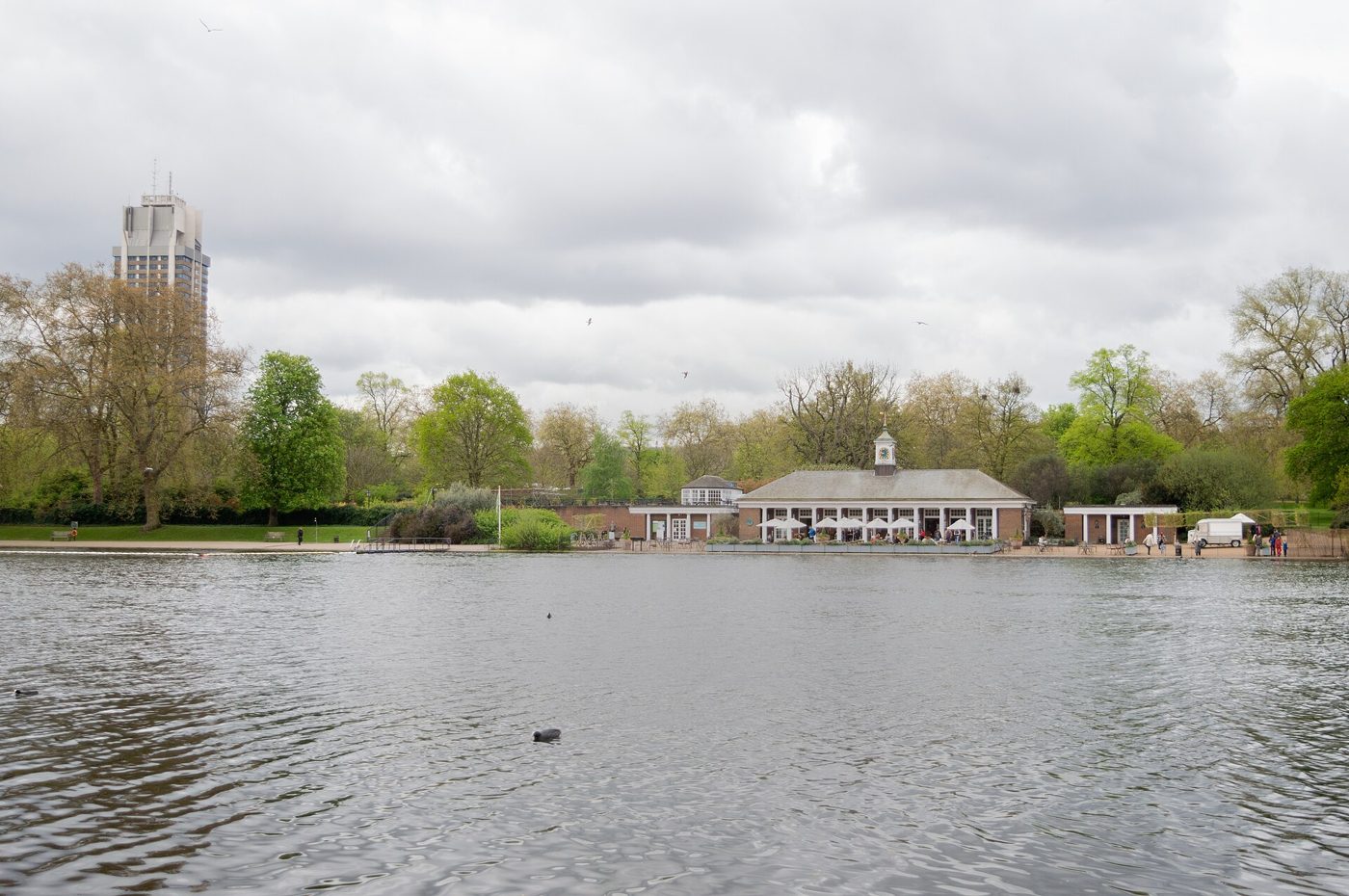
Hyde Park and Kensington Gardens form a large green break to the west of the centre. You can walk along the Serpentine, enter from Marble Arch or link up with Kensington Palace and the South Kensington museums. Near Buckingham Palace, St James's Park offers a shorter walk between Westminster and the palace. Regent's Park combines gardens and wide open areas; Hampstead Heath, further north, has a less formal character and viewpoints, although it requires half a day if going from the centre.
Notting Hill invites a stroll among colourful facades, shops and Portobello Road; it is worth remembering that many streets are residential. In Camden, the markets and Regent's Canal create a very different landscape. If you feel like walking along the water, check a section of the canal and follow the signposted paths without blocking access. Parks are not a filler plan: they help you understand how residents live in the city and balance days of interiors and crowds.
For an afternoon with a cultural atmosphere, Covent Garden and its theatres can be combined with bookshops, small galleries and cafes. Check official listings if looking for a specific play; buy tickets only through trusted channels. At night, Soho is lively and concentrates bars and music, while other areas invite a quiet dinner. Planning a single evening neighbourhood avoids long journeys when transport frequencies have already dropped.
Greenwich: Maritime History and a Different Fourth Day
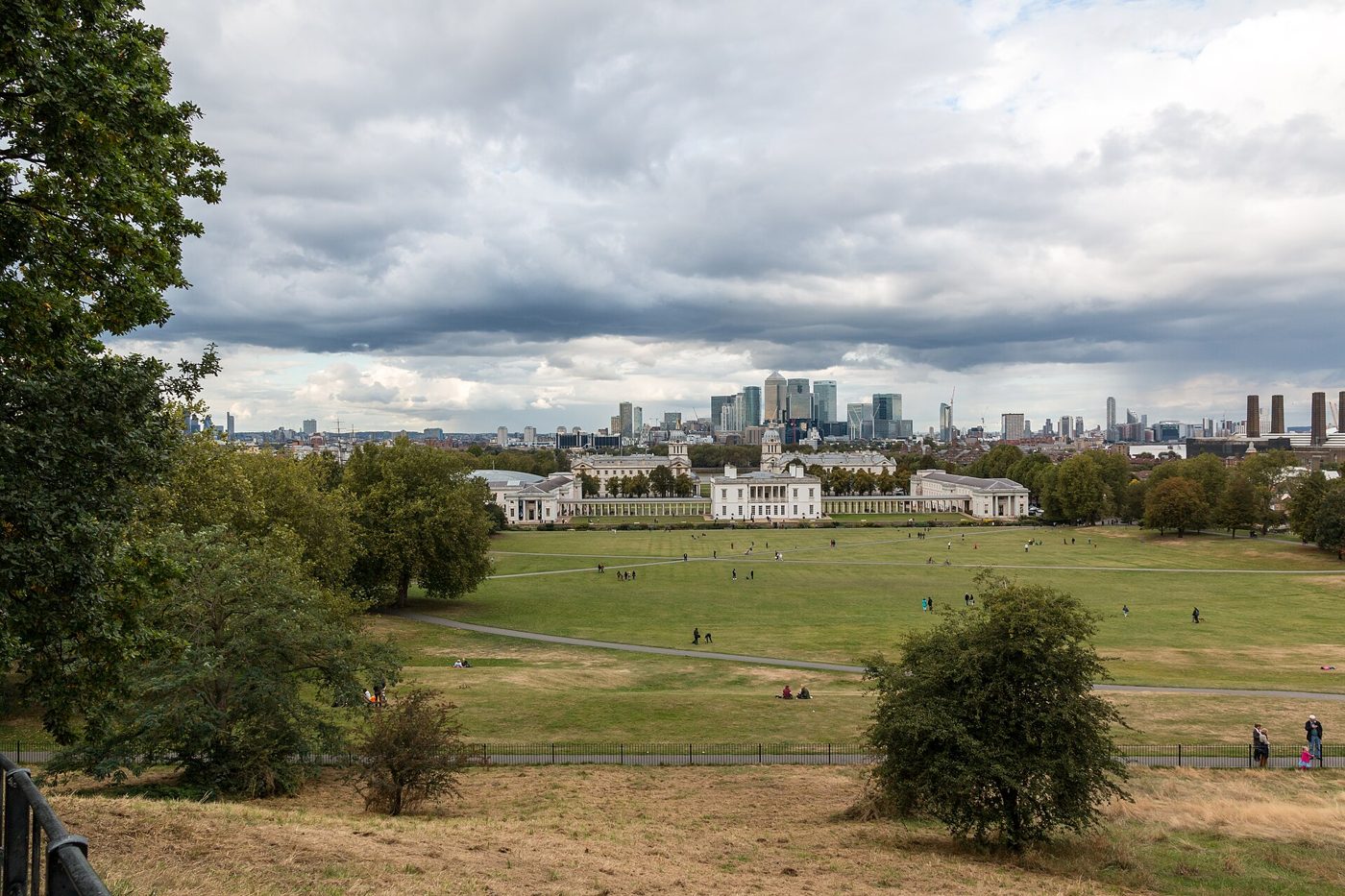
If you have a fourth day, Greenwich offers a change of scale without leaving London. The district is to the south-east of the centre, on the banks of the Thames. You can arrive by train, DLR or boat depending on your starting point and current connections; the river journey allows you to see the city from the water, but it is not essential. The Old Royal Naval College and the National Maritime Museum help in understanding the relationship between the capital, navigation and the British Empire.
The Cutty Sark, a ship preserved by the river, and the Royal Observatory have visits with entry fees. From the observatory hill, a view opens up over Greenwich Park, the historic buildings and the modern skyline of Canary Wharf. The Prime Meridian line is famous, but do not let the photo make you rush between sites: the park and the architecture of the complex are a central part of the experience. Greenwich Market adds crafts, food and shops, with hours you should check before travelling.
If you only have three days, do not force Greenwich between Westminster and the Tower. You can dedicate the third day to the neighbourhoods that interest you most and save the excursion for another visit. With four days, however, a morning at a museum and a walk in the park offer a day very different from that of the central monuments. When you return, check your route back in real time: some connections change during weekends and engineering works.
How to Organise Three or Four Days and Get Around Easily
A flexible route for three days could begin with Westminster, South Bank and Borough Market; continue with a museum in Bloomsbury or South Kensington, a park and Notting Hill; and end with the Tower, Tower Bridge, Spitalfields and the East End. These are not days for completing a list: adjust the routes to your accommodation location, the weather and your interests. If you have four days, dedicate the additional one to Greenwich, Camden or to revisiting a place you want to know better.
TfL allows you to pay for many journeys with a contactless card, compatible phone or Oyster. For the corresponding price caps to apply correctly, always use the same device when tapping in and out; a mobile phone and its linked physical card do not necessarily count as the same medium. Touch the reader at the start and end where indicated, and verify fares, zones and exceptions on the Transport for London website. If your bank charges for currency exchange, calculate that cost separately before deciding between contactless and Oyster.
To get from the airport to the city, do not just choose the service that advertises the fastest journey. Heathrow connects via the Elizabeth line, Tube and Heathrow Express; Gatwick via trains to various stations; Stansted has a train to Liverpool Street and buses; at Luton, the DART links the terminal to Luton Airport Parkway before the train. Compare the door-to-door time to your accommodation, not just the train duration. Check for engineering works, the last service and ticket conditions on official pages before buying.
If you still have time for an excursion, Stonehenge, the Cotswolds and the Warner Bros. Studio Tour are different plans and do not form part of a London urban tour. Stonehenge requires organising a ticket and travel, the Cotswolds cover several separate villages and the film studio is in Leavesden: book the full day and check official transport and tickets. If this is your first short stay, getting to know London well usually pays off more than spending almost a whole day in transit.
Verify opening times, fares and bookings on official sources the week of your trip; operational details change.