Medieval history, castles, galleries and coastline in a county best explored in stages. In this guide, we have gathered the key points so you can organise yourself at your own pace and with more confidence.
Where Kent is and how to get around
Kent occupies the far south-east of England, between the Thames Estuary, the English Channel and the North Sea. It is not a single city but a large county: Canterbury, Dover, Margate and its rural villages require different journeys. Its position as the gateway between Great Britain and Europe has left traces of fortifications, trade, pilgrimages and transport routes.
Canterbury was a major medieval religious centre, while Dover protected a strategic point of the Channel for centuries. The label 'Garden of England' refers to orchards and agricultural landscapes, but does not replace the industrial and maritime history of its towns. If you are leaving from London, choose one area per day and check which train actually arrives at the nearest station. An itinerary that strings together a cathedral, castle and beach in one afternoon may spend more time travelling than visiting the sites.
Cathedrals, castles and art
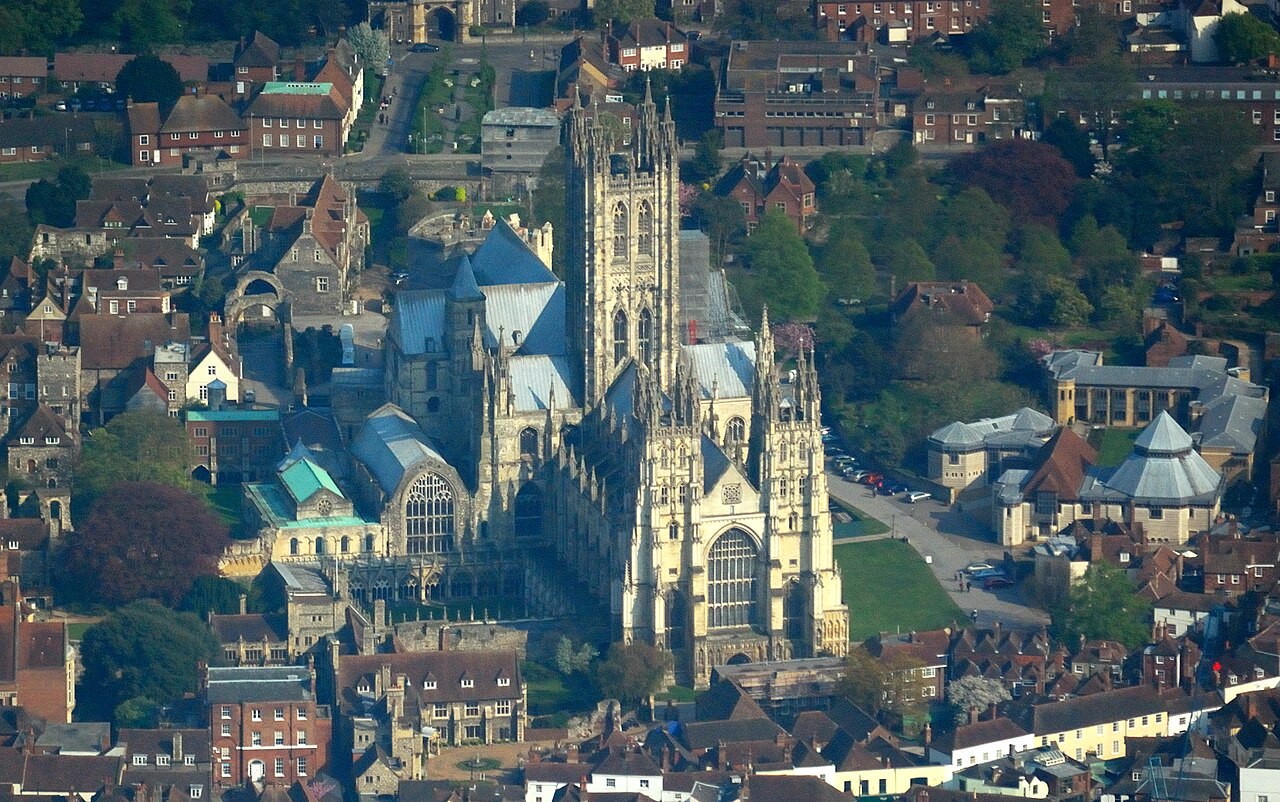
Canterbury Cathedral is the great cultural landmark: its history, architecture and relationship with pilgrimages deserve a relaxed visit. Check its official site for tickets and service times. The city centre streets and the area around the River Stour allow for completing the day on foot.
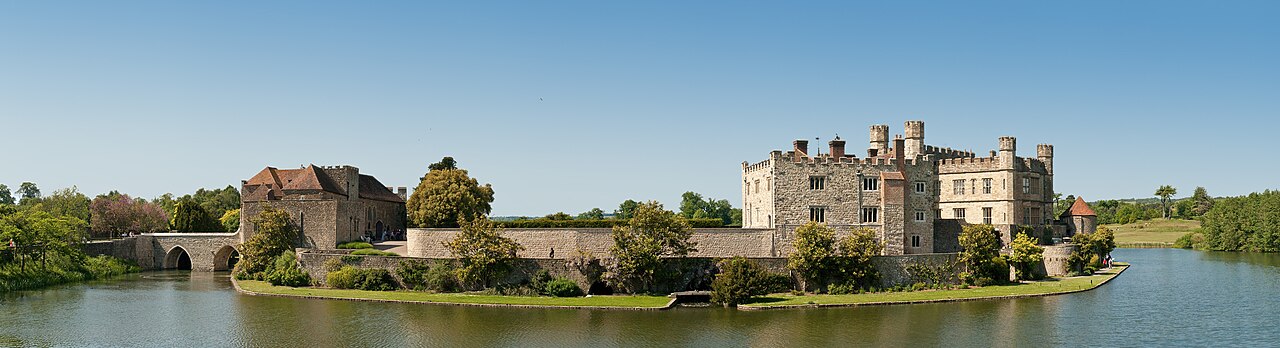
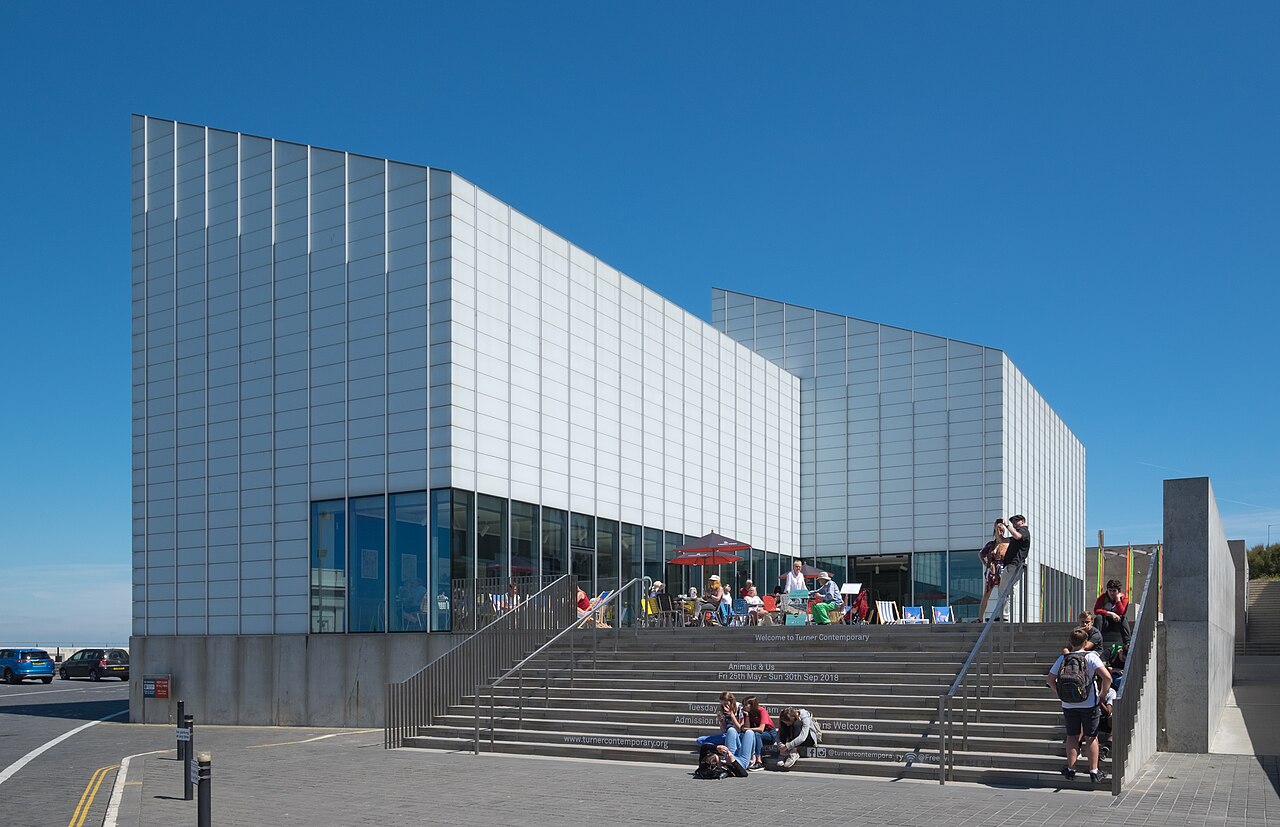
Dover Castle, managed by English Heritage, requires more time than it appears from the road; check which spaces are open. Leeds Castle is located near Maidstone, not in the city of Leeds in northern England, and its gardens justify planning it as its own outing. For contemporary art by the sea, Turner Contemporary in Margate changes its exhibitions; the town also offers a creative scene worth discovering beyond the gallery's facade. One main museum or monument per day leaves room for lunch, walks and local history.
View tours and tickets with GetYourGuide ↗ (affiliate link)
Markets, restaurants and villages
In Canterbury, The Goods Shed combines a market and dining options near Canterbury West station; confirm stalls and hours before counting on a specific meal. The central streets offer cafes, pubs and restaurants for various budgets. In Margate, you can combine the gallery with the old town, independent shops, cafes and seaside establishments, bearing in mind seasonal changes.
Folkestone Creative Quarter offers workshops and cultural businesses, and Whitstable is known for its relationship with oysters: check the provenance and availability on the menu rather than assuming every restaurant offers local produce. Temporary markets in each town depend on the calendar, so it is advisable to consult local tourist offices. If you go at the weekend or during school holidays, book a table when there is a venue you are particularly interested in.
Cliffs, gardens and transport
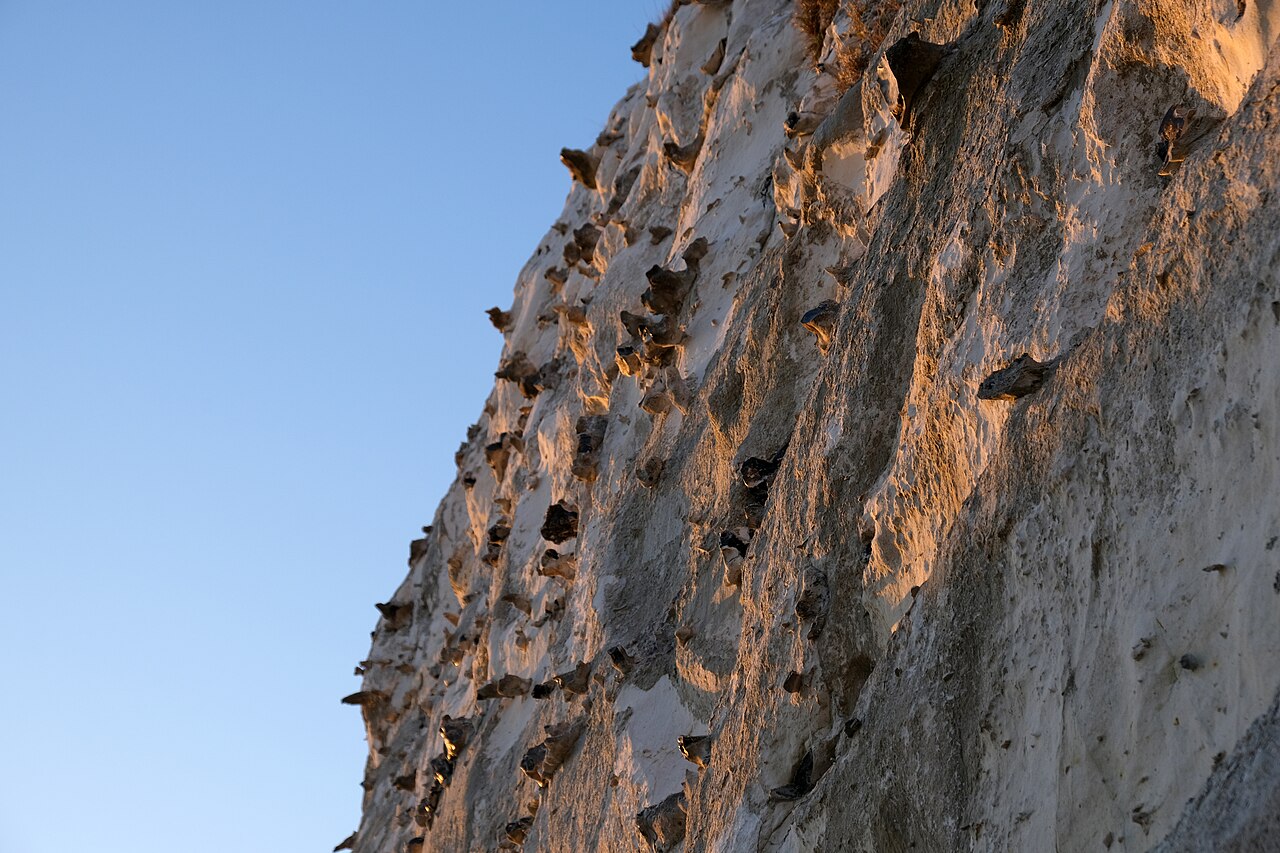
The White Cliffs of Dover offer footpaths and views of the Channel, but they are an open landscape with wind and dangerous edges: stay on the marked paths and away from the edge. Check access and National Trust recommendations before walking. For a more accessible green afternoon, explore urban parks, Canterbury's gardens or castle grounds depending on your base.
A comfortable route could dedicate one day to Canterbury and another to Dover or the Thanet coast, instead of trying to cover all of Kent. Southeastern connects many towns by train, although certain beaches, castles and trails require an additional bus or walk. Check the last return journey and weekend engineering works. The weather by the sea changes quickly: bring a light coat and adapt your walk to the conditions, especially if travelling with children or with reduced mobility.