Priory, castle and a causeway that can only be crossed when the tide allows. In this guide, we have gathered the key points so you can organise yourself at your own pace and with more confidence.
A Tidal Island with Centuries of History
Holy Island, also known as Lindisfarne, is located off the coast of Northumberland in North East England, south of Berwick-upon-Tweed. It is a tidal island: the road over the causeway ceases to be passable when the sea rises. Therefore, the location is not a simple geographical fact, but the first decision of your trip. You must check the access and exit windows before choosing a date or accommodation.
In the year 635, Aidan established a monastic community here that became a religious and cultural centre of the Anglo-Saxon world. The Lindisfarne Gospels are associated with this tradition of illuminated manuscripts. The Viking attack of 793 left a deep mark on the island's historical memory. The ruins of the priory post-date the first monastic buildings, so visiting them helps to trace several eras at once.
Priory, Castle and Village Life
Lindisfarne Priory, managed by English Heritage, showcases the arches and walls of the medieval complex. Next to the ruins is the church of St Mary the Virgin, which remains a place of worship: enter with respect and check if there are services. Take time to look at the exhibition or the priory panels to distinguish the early monastery from the later constructions.
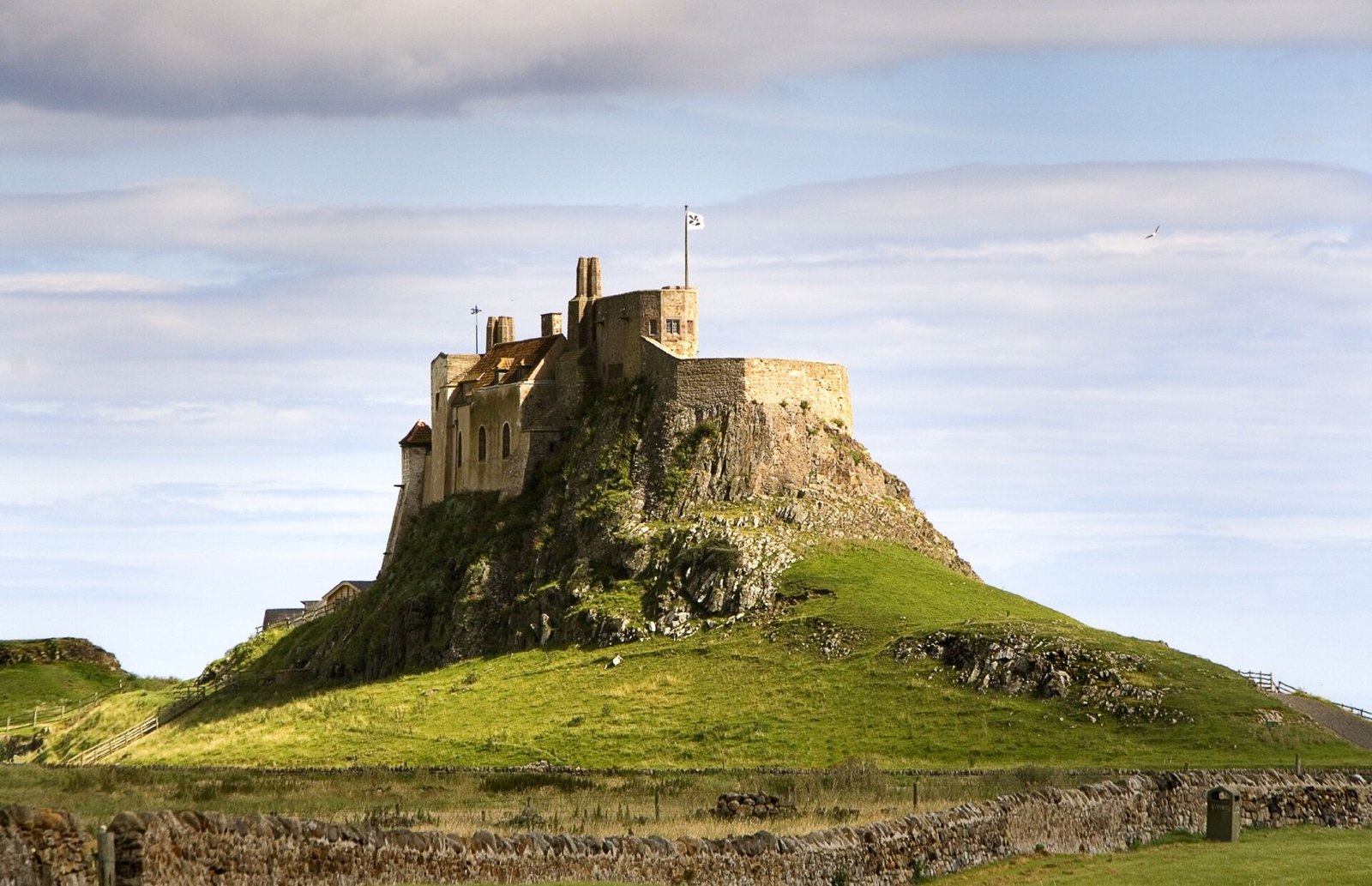
Lindisfarne Castle sits on a rise to the east of the village. Originally it was a 16th-century fortification and later became a residence, refurbished by Edwin Lutyens. The National Trust provides information on access and activities; there may be changes for conservation or due to causeway conditions. The outer path towards the castle offers views even if you decide not to go inside.
In the village you will find cafes and pubs for a bite to eat within the visiting window; confirm their opening times because island life follows the rhythm of the tides and the season. Do not expect a large market or the restaurant choice of a city. Allow time to stroll, shop in small establishments and return without rushing.
View tours and tickets with GetYourGuide ↗ (affiliate link)
Beaches, Nature Reserve and Returning Safely
The paths towards the castle and the coast allow for bird watching and open landscapes. The Lindisfarne National Nature Reserve protects sensitive habitats; follow the marked paths and respect closures for wildlife. In beach or salt marsh areas, the ground can be soft and the weather changes quickly: do not turn a spontaneous walk into a trek across unknown sand.
Before leaving the village, re-check the safe road crossing times published by the county council. The council recommends leaving at least half an hour extra for potential adverse conditions: plan to leave before the limit, not right at the end. These are not indicative times for the pedestrian pilgrim route. If you cannot leave in time, remain on safe land and seek help; never attempt to cross water on the causeway.
A satisfying visit does not require seeing everything: choose the priory, castle or a nature walk according to the actual duration of the crossing window. If public transport does not coincide with it, change the day or consider staying overnight with a confirmed reservation, rather than depending on an impossible connection.
First Things First: Check the Crossing Times
Holy Island or Lindisfarne is linked to the mainland by a causeway that the sea covers at high tide. Check the safe crossing times published by Northumberland County Council for the exact day of your visit, for both entering and leaving. Do not use a generic tide table as a substitute.
The official times correspond to the road, not the pedestrian route over the sands. Leave a wide margin and follow the signs on the ground: wind and sea conditions can change the situation. Never enter the causeway outside the safe period nor attempt to beat the tide.
Before booking or driving, check the outward and return journey at holyislandcrossingtimes.northumberland.gov.uk. If the window is short, change your plan.
What to See on the Island
The village can be explored on foot and retains the footprint of Lindisfarne's religious history. The priory ruins tell the origins of this important monastic centre and the legacy of St Cuthbert.
Lindisfarne Castle, managed by the National Trust, stands on a rocky promontory. Check the visiting conditions for the priory and the castle separately; opening dates can vary.
Arriving Without a Car and Walking with Caution
From Berwick-upon-Tweed there may be buses to the island, but they are infrequent and their schedules are adjusted to the tides. Consult the current service and ensure you have a safe way to return.
The pilgrimage route on foot crosses sand and mud and is not equivalent to walking along the road. It requires its own safety planning, knowledge of the conditions and sufficient time; do not improvise the crossing.
If you are caught by the rising water, seek refuge and call 999. Never attempt to drive through water covering the causeway.