Scotland's largest city brings together museums, architecture, markets and an intense musical life. In this guide, we have gathered the key points so you can organise yourself at your own pace and with more confidence.
Where Glasgow is and what its history tells
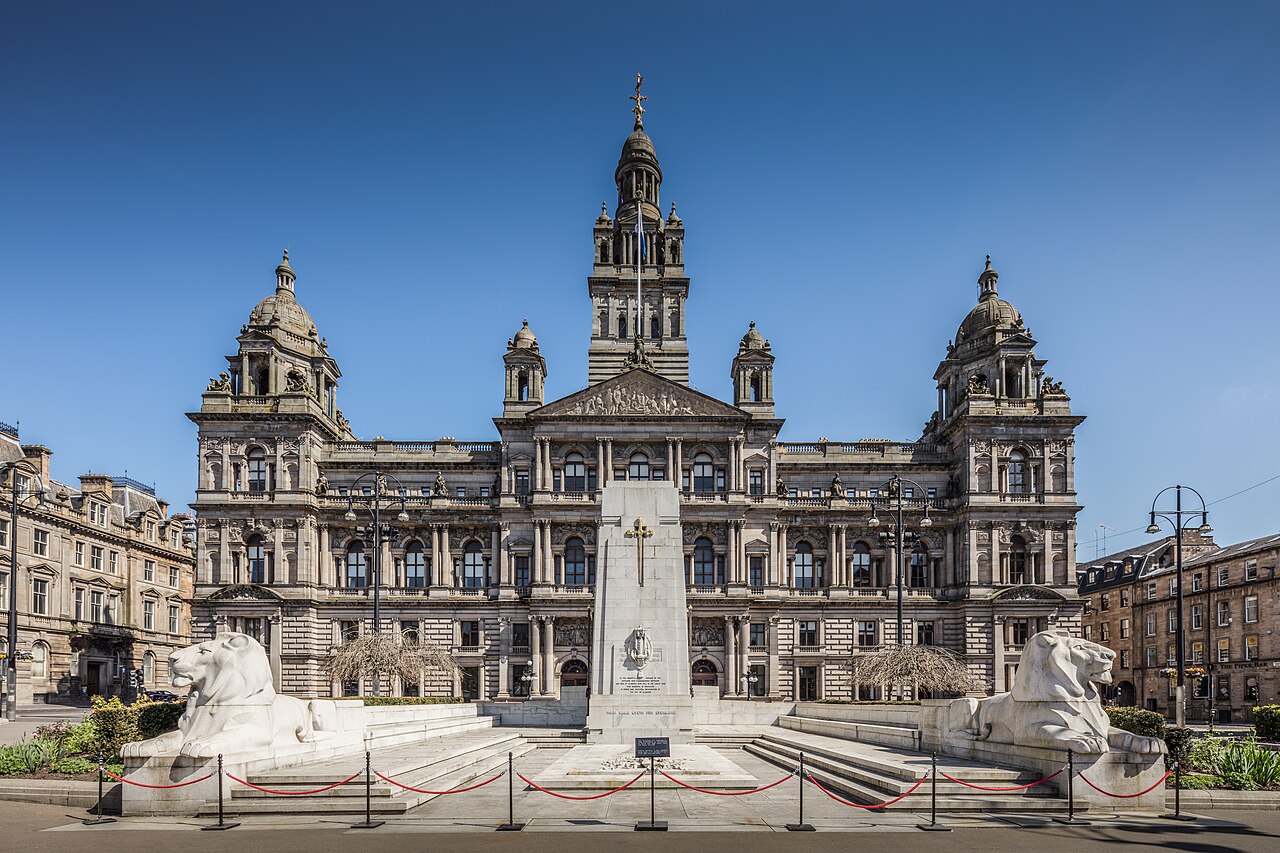
Glasgow stretches across both sides of the River Clyde in the west of Scotland. It began as a religious and mercantile centre; the medieval cathedral maintains a tangible connection to its earliest centuries. Later, Atlantic trade, including goods produced through slavery, and subsequently shipbuilding and industry transformed the city. The monumental buildings of George Square and the Clyde docks speak of prosperity, inequality and change.
Today, former industrial spaces host culture, housing and leisure. Start in the city centre to understand its scale, but do not limit Glasgow to a single square: the West End, Merchant City and the banks of the Clyde offer different atmospheres. Some distances are easily covered on foot; to connect distant neighbourhoods, it is advisable to combine walking and public transport. If you arrive from Edinburgh, one day shows the essentials, but staying overnight allows you to experience the music and rhythm of the neighbourhoods.
Museums, buildings and the arts scene
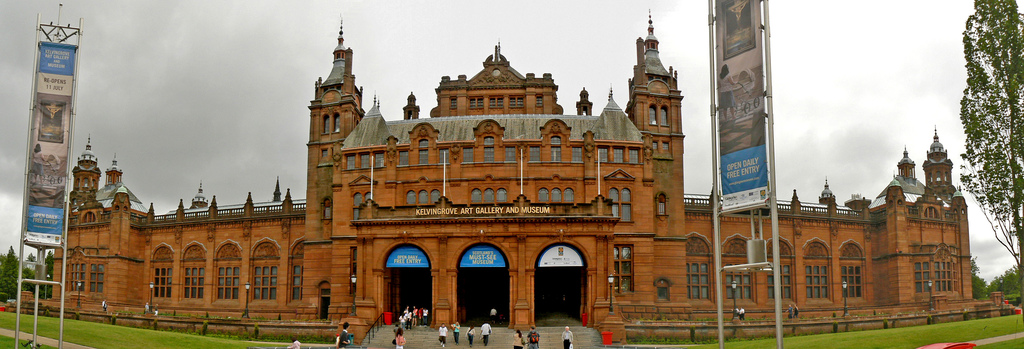
Kelvingrove Art Gallery and Museum is a great stop for art, natural history and varied collections; check official exhibitions and opening times. Nearby, the University of Glasgow provides one of the West End's most recognisable silhouettes. On the Clyde, the Riverside Museum focuses on transport and aspects of urban history.
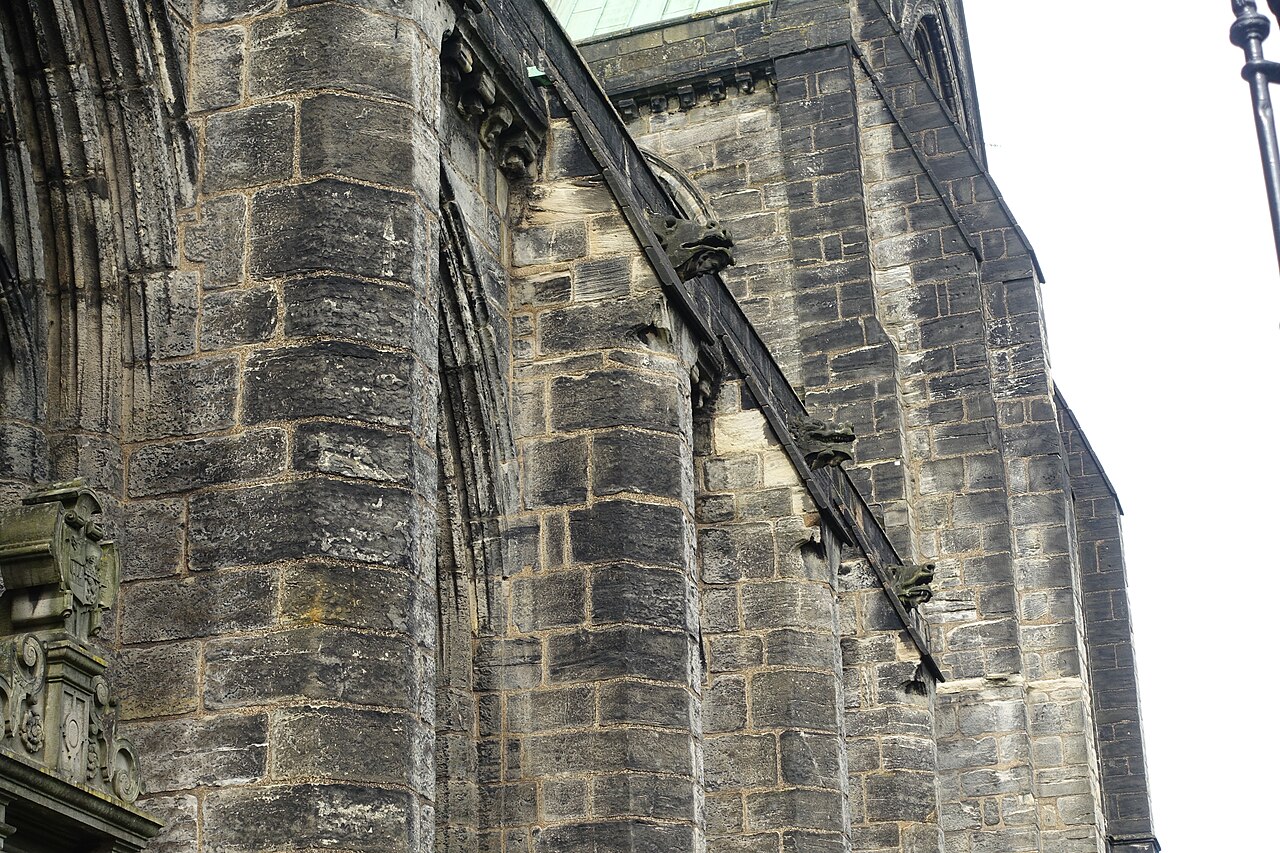
The Gallery of Modern Art, in the city centre, programmes changing displays; check its schedule if you are looking for a specific exhibition. Also visit the surroundings of Glasgow Cathedral and the Necropolis, always using permitted paths and keeping the slopes in mind. Music is part of the city's identity: look for concert listings, from large stages to small venues. There is no single mandatory route: choosing one museum in the centre, another in the West End and leaving an afternoon to wander the streets is usually more rewarding than adding interiors without a break.
View tours and tickets with GetYourGuide ↗ (affiliate link)
Bars, cafés and where to eat
Merchant City offers restaurants and bars among warehouses and historic streets; Finnieston gathers a diverse gastronomic scene near Kelvingrove and the Clyde. In the West End, streets such as Byres Road and its surroundings invite you into cafés, bookshops and pubs. The Barras Market, in the East End, is a market with local history: check its operating days before visiting, as it does not open every day.
For an informal meal, look for options around the centre or the museum you have chosen, without assuming everything stays open late. Glasgow has numerous live music venues and their hours change; check tickets, minimum age and the last transport back. The riverside terraces can be attractive in good weather, but it is also worth exploring venues away from the main avenues.
Gardens, the river and a two-day plan
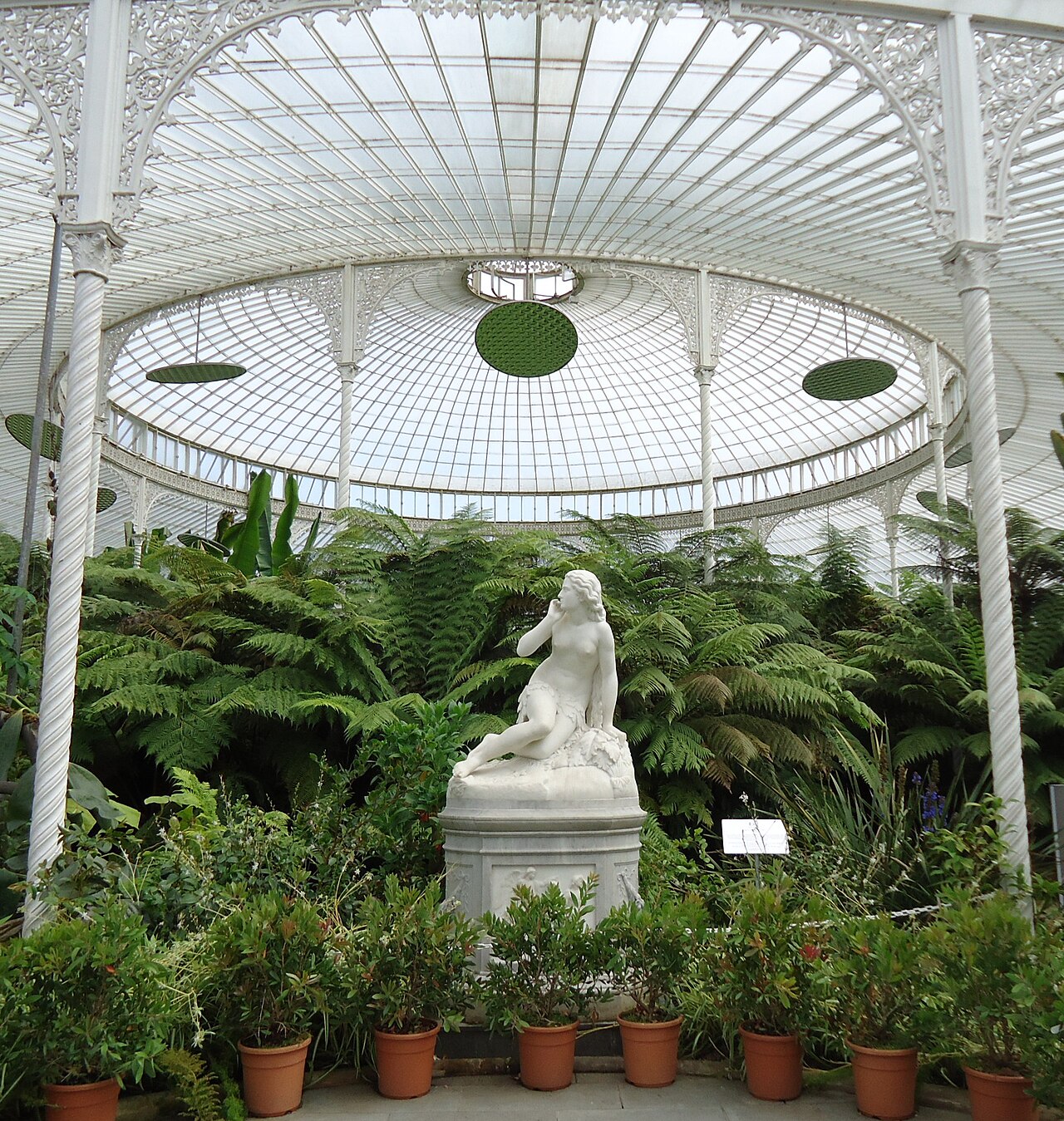
Glasgow Green allows for a stroll near the Clyde and works well if you have explored the East End. In the West End, Kelvingrove Park connects green spaces with museums, and the Glasgow Botanic Gardens, including the Kibble Palace when open, offer another break among urban streets. If walking along the Clyde, use designated crossings: not all sections of the riverbank have the same access.
A first day can link George Square, city centre art, Merchant City and music at night; the second, the University, Kelvingrove and gardens. The Subway describes a small circuit useful for part of the centre and the West End, but it does not reach every location: check the map and frequencies from SPT. Also check the trains if you plan to continue to Edinburgh. Carry a waterproof layer and leave room to swap an outdoor walk for a museum without losing the spirit of the trip.