A historic city to discover on foot, amidst narrow streets, heritage and river views. In this guide, we have gathered the key points so you can organise yourself at your own pace and with more confidence.
Where is Durham and why it matters
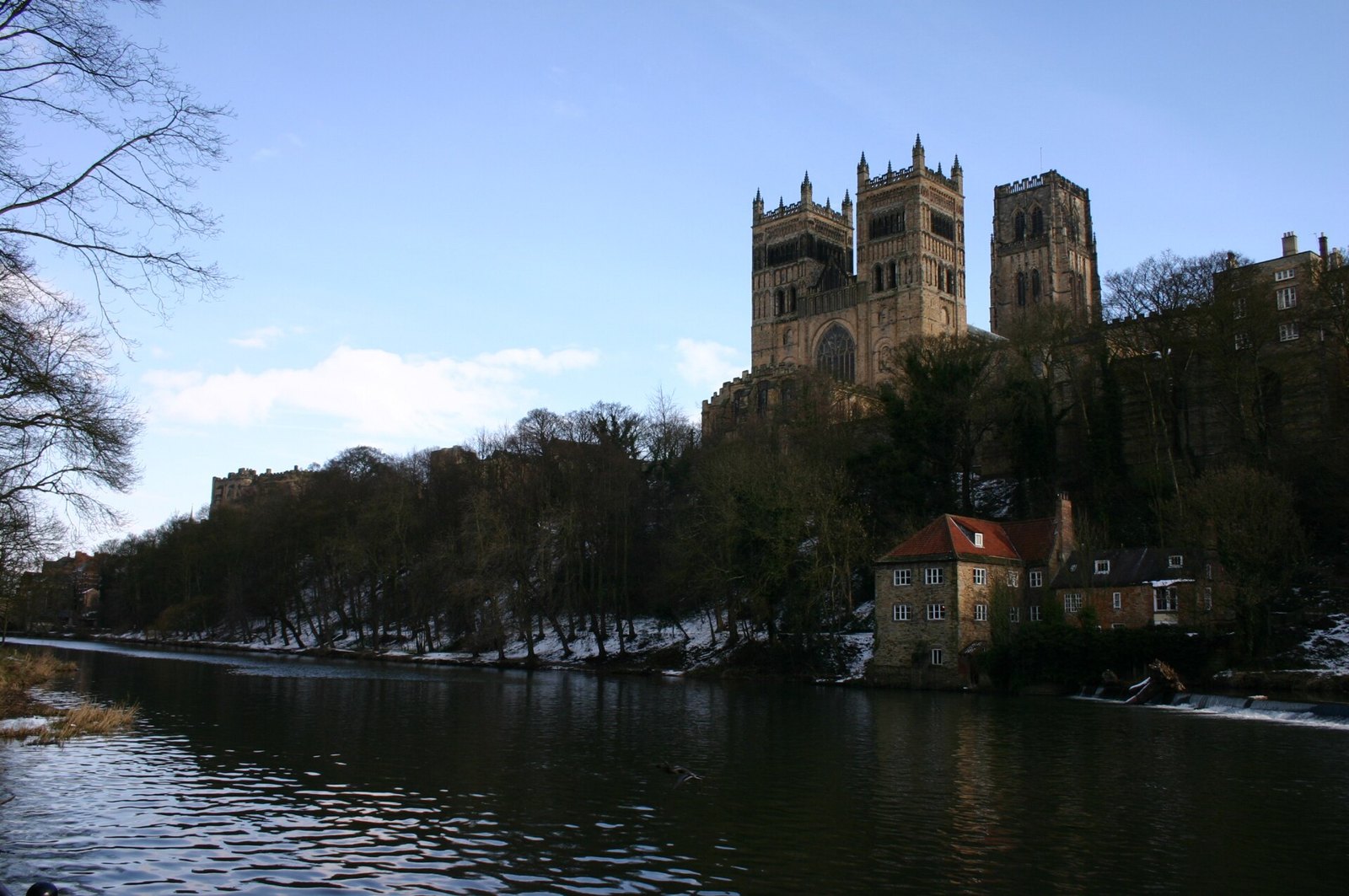
Durham is located in the eponymous county in North East England, between Newcastle upon Tyne and York. Its historic centre occupies a peninsula formed by a sharp bend in the River Wear. This geography explains why, when looking from the bridges or riverside paths, the cathedral and castle appear to rise above the woods and houses.
The city grew around the community that guarded the remains of St Cuthbert. Following the Norman Conquest, the cathedral and castle were built, symbols of both religious and secular power. For centuries, the Bishops of Durham held great influence in this border region. Today, the complex maintains its religious and university functions; it is not a tourist set, but a living part of the city.
From Framwellgate Bridge, you can appreciate the silhouette of the peninsula before starting the climb to the centre.
Market, museums and cultural life
The Market Place is a good spot to get your bearings: the city centre’s shopping streets converge there. Look for Durham Market Hall, an indoor market with independent stalls, and check the outdoor market calendar before you go, as they are not held every day. The streets around Saddler Street bring together bookshops, cafes and small shops for a break between visits.
If you are interested in local history, the Durham Museum and Heritage Centre tells the story of the city’s evolution in a more manageable space than the large monuments. The cathedral museum offers another look at its heritage, but some areas have their own entry conditions. The university also organises exhibitions and cultural activities; check their programme if you are staying for more than one day.
For food, choose a cafe or restaurant in the centre and ask for regional products; there are casual options near the market and places for a leisurely meal in the side streets. At dusk, you can look for a traditional pub without needing a reservation for all hours of the day. Check the opening hours and accessibility of establishments separately.
View tours and tickets with GetYourGuide ↗ (affiliate link)
Trails, gardens and a day without rushing
The circuit of paths alongside the Wear is the best way to understand the city's shape. You can head down from Palace Green, follow the trees and return via another bridge, stopping at the viewpoints. In autumn, the colours are particularly visible from the riverside; after rain, some sections become slippery.
For a green break, you can also explore the open spaces of Wharton Park, near the station and with views over the city. If you are travelling with children or prefer shorter routes, alternate a historic visit with a stop in a park instead of trying to see all the museums on the same day.
Durham lends itself to a day on foot: station, centre, market, cathedral, castle if you have secured a slot, and a return along the river. Factor in the hills on the way back. Consult accessibility information for each site if you need it and remember that worship services may modify access to the cathedral.
A first view from the station
If you arrive by train, enjoy the panorama of the cathedral over the peninsula before heading down to the centre. Durham is compact, although the hills towards Palace Green and the paths alongside the river require comfortable footwear.
Cross towards the old town, pass through Market Place and go up Saddler Street to Palace Green. In this square are the cathedral and the castle, the heart of the site declared a UNESCO World Heritage Site.
The cathedral and the castle
Durham Cathedral is one of the great Norman works of Europe and houses the tomb of St Cuthbert. Reserve time to enter calmly and check religious services or access restrictions for certain areas beforehand.
The castle is part of Durham University and remains in use; visits are conducted via guided tours, subject to availability. Check and book on the official website if you wish to see the interior.
The cathedral is an active place of worship: consult the official calendar before organising your day.
Finish by the River Wear
After Palace Green, head down towards the paths on the banks of the Wear. The walk circles the wooded peninsula and allows you to see the cathedral from another angle; paths can be muddy after rain.
If you have time left, explore the shops and cafes in the centre before returning to the station. Durham works well as a getaway from Newcastle or as a stop on a train journey through the North East.