Cathedrals, moorlands and fishing villages in a county to explore at a gentle pace. In this guide, we have gathered the key points so you can organise yourself at your own pace and with more confidence.
Where Devon is and why it is diverse
Devon is located in the South West of England, between Somerset and Cornwall, with a north coast facing the Bristol Channel and a south coast facing the English Channel. It is a large county: Exeter, Plymouth, the coastal villages and Dartmoor do not make for a single simple excursion. Exeter grew around a Roman and medieval city; its cathedral and streets showcase centuries of commercial activity.
Plymouth developed as a naval port and maintains a close relationship with British maritime history. Inland, the open landscapes of Dartmoor National Park contrast with urban quays and promenades. If travelling by train, Exeter and Plymouth are possible bases, but check the specific connection to the town or trail you wish to visit. Choosing one coast and one inland area for several days is better than trying to cross Devon from one end to the other every morning.
Cathedral, museums and maritime memory
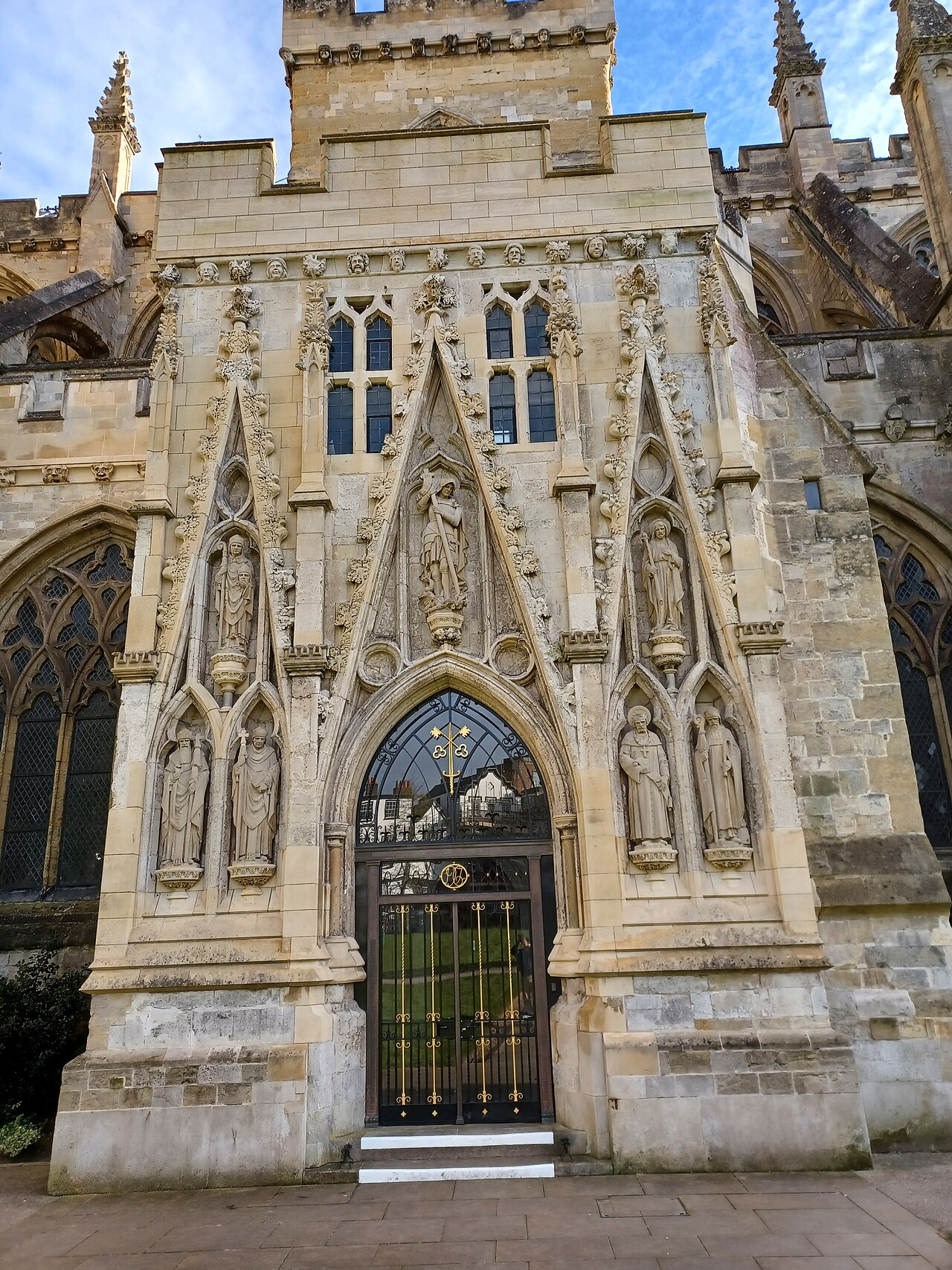
Exeter Cathedral stands out in the historic centre and remains a place of worship; check tours, opening times and access to specific areas. A short distance away, the Royal Albert Memorial Museum brings together history and art collections that help one understand the city and the region. The old docks at Exeter Quay offer repurposed buildings and a walk alongside the River Exe.
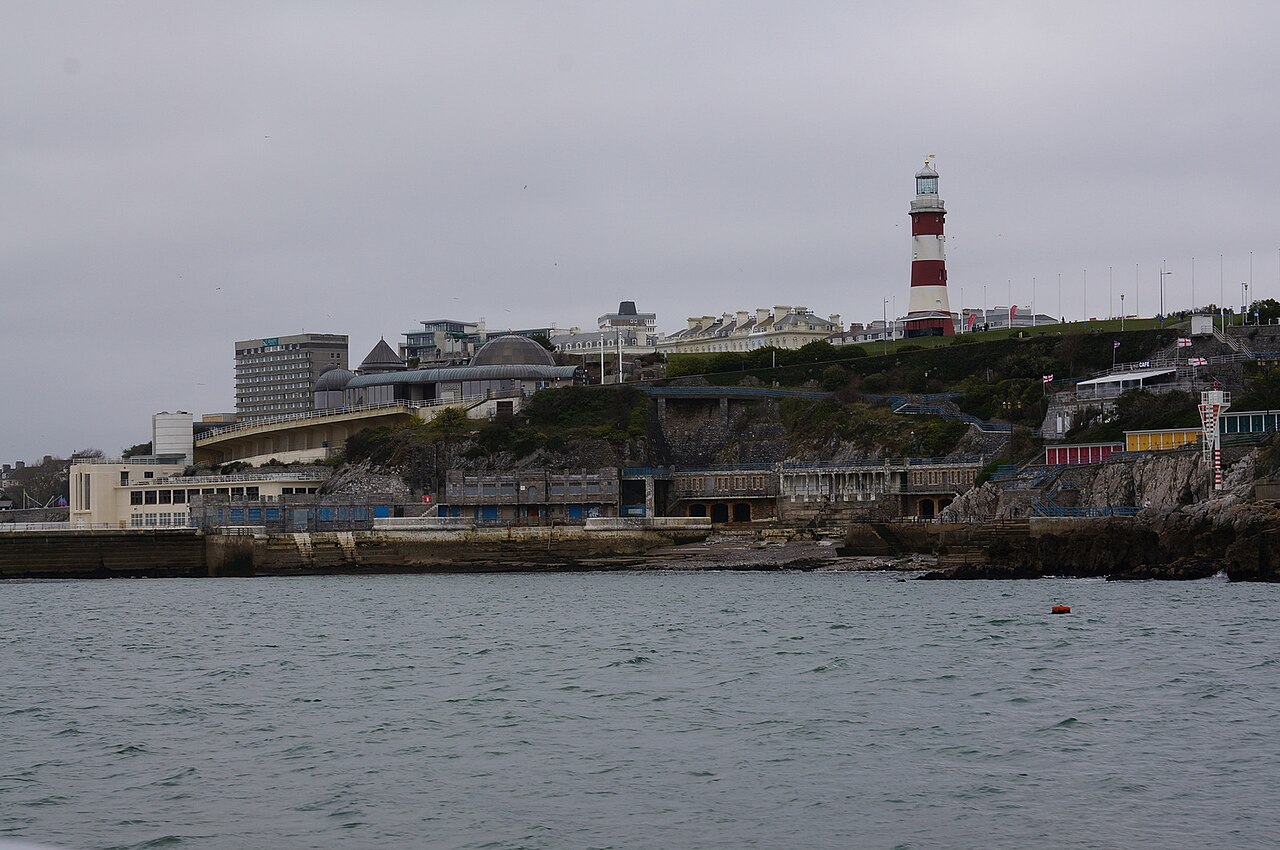
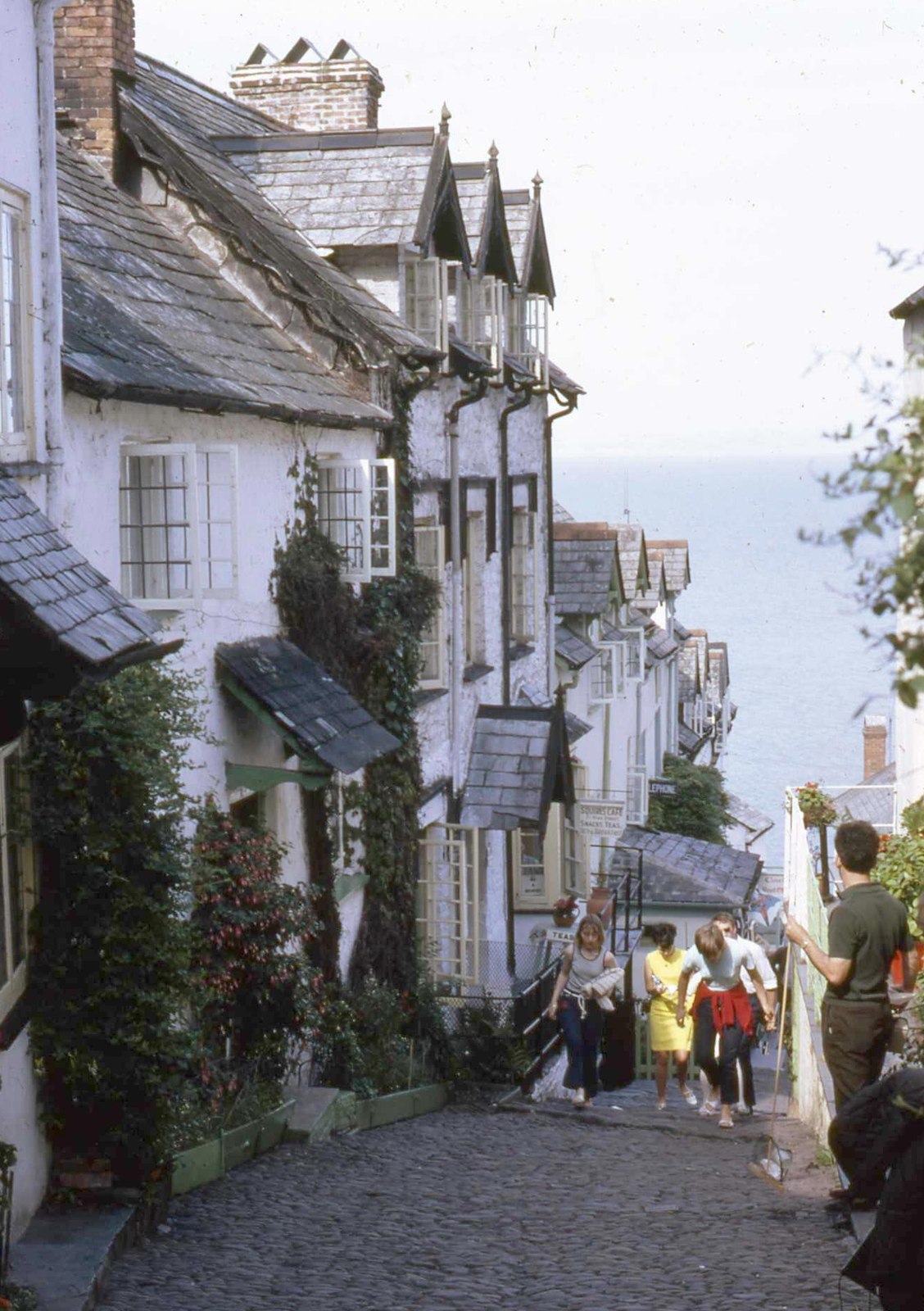
In Plymouth, The Box combines collections and exhibitions; the area around The Barbican preserves streets and connections to port history. Plymouth Hoe is an open promenade above the water with references to various maritime episodes. If you prefer a village with steep streets and sea views, Clovelly is a different kind of outing, but requires planning for access and mobility: it is not a flat urban centre. Choose interiors according to interests and consult their official websites before making your entire trip dependent on an exhibition.
View tours and tickets with GetYourGuide ↗ (affiliate link)
Markets, cafes and local food
In Exeter, you will find coffee shops, pubs and restaurants around the centre and the Quay, with different atmospheres between the cathedral square and the water. In Plymouth, The Barbican adds tables and bars near the harbour. Local and producers' markets vary by date and location; check the calendar of your chosen destination before promising yourself a morning at the stalls.
A Devon cream tea can be a pleasant break, but check the opening hours of each tea room and the dietary options. In coastal towns, ask for seasonal fish instead of assuming all offerings are local. Totnes and other small hubs provide independent shops and cafes if you build your route with time to wander. During holidays, booking a table at a specific place helps; out of season, check that it opens on the day you are going.
Dartmoor, rivers and a safe route
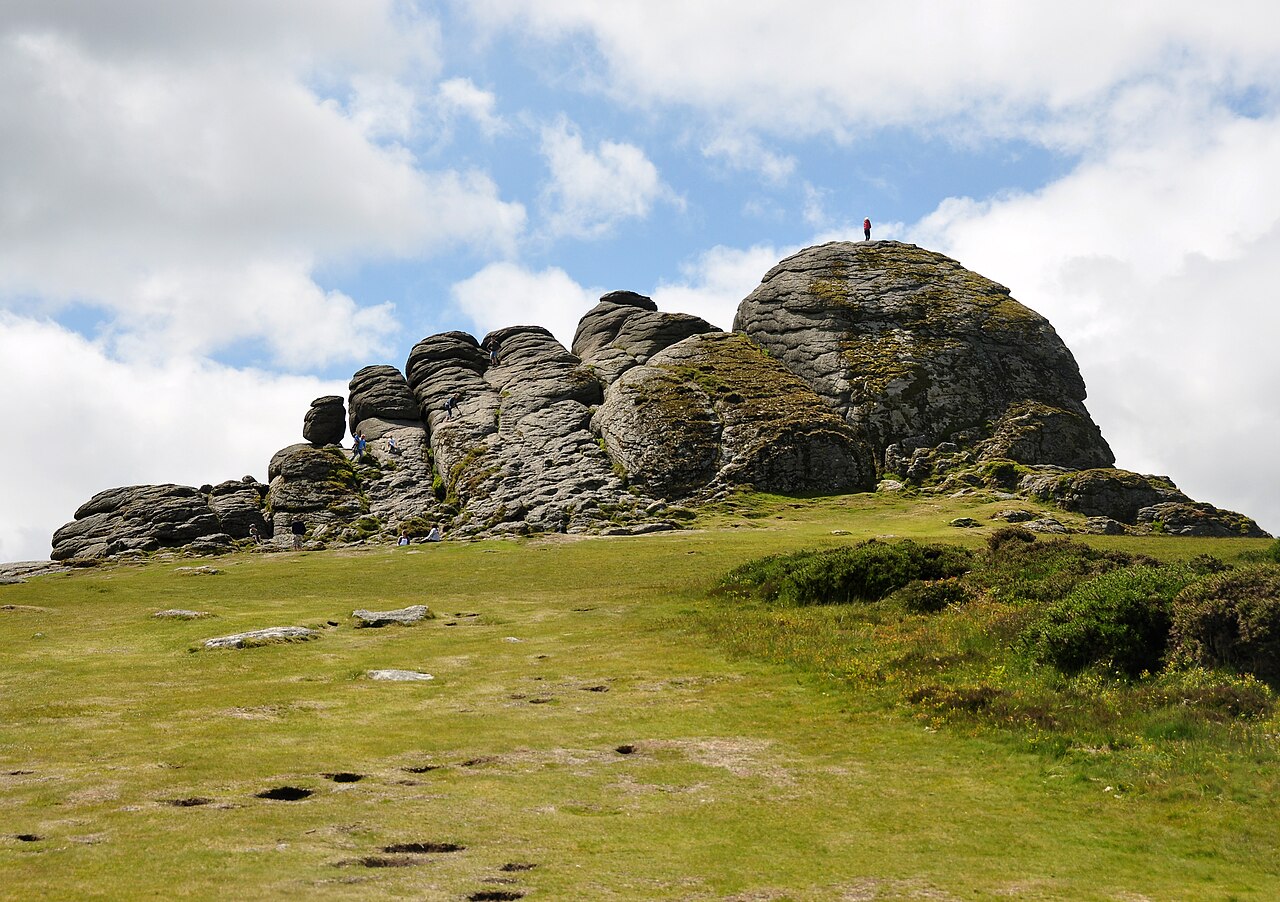
Dartmoor National Park protects a landscape of moorland, valleys and rocky outcrops called tors. There are short routes and more demanding ones; carry an adequate map, footwear and warm clothing, check the weather and stay on permitted itineraries. Do not assume there is mobile coverage or frequent transport at every starting point. For a simpler urban day, walk along the River Exe in Exeter or explore the Plymouth waterfront.
The south coast of Devon offers trails and beaches, but some descents are steep and the tide affects certain sections. A balanced proposal devotes one day to Exeter, another to Plymouth and a third day to the natural landscape with logistics settled. GWR, other train operators and regional buses connect part of the county, although the last return journey is crucial. Always consult the national park and official transport before heading out on a rural route.