A guide to discovering St Ives, Tintagel, Falmouth, and Cornish landscapes at a steady pace. In this guide, we have gathered the key points so you can organise yourself at your own pace and with more confidence.
A Peninsula with Its Own Identity
Cornwall occupies the south-western tip of England, between the Atlantic and the English Channel. Its rugged coastline and harbour villages reflect both fishing traditions and centuries of maritime trade. Tin and copper mining left an industrial heritage visible in various locations; part of the mining landscape is recognised by UNESCO. There is also a distinct Cornish cultural identity and a native language that remain present in the region.
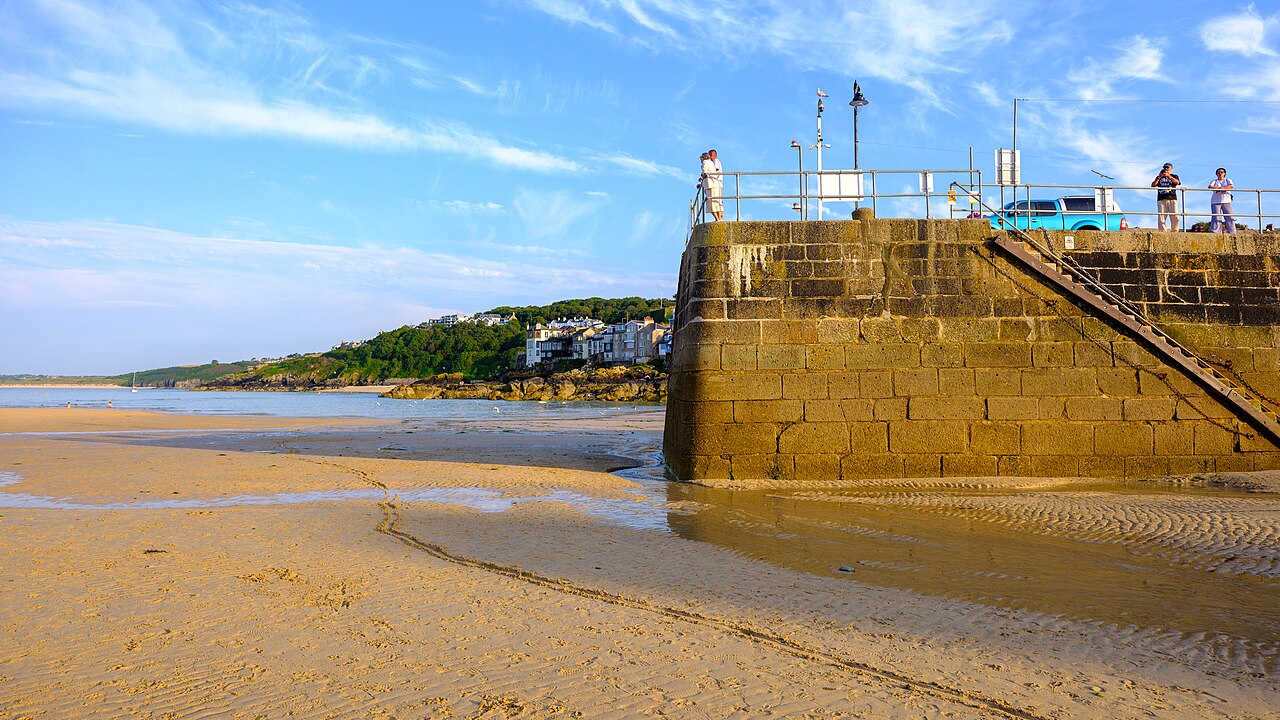
Do not reduce your trip to a mere succession of beaches: every coast and town has a different rhythm. St Ives combines art with harbour lanes; Falmouth looks out over the Fal Estuary; Tintagel blends heritage and legends. On a map they appear close, but narrow roads, bus schedules, and weather changes lengthen travel times. Choose one base and two or three areas, especially if you are not driving.
Galleries, Castles, and Science
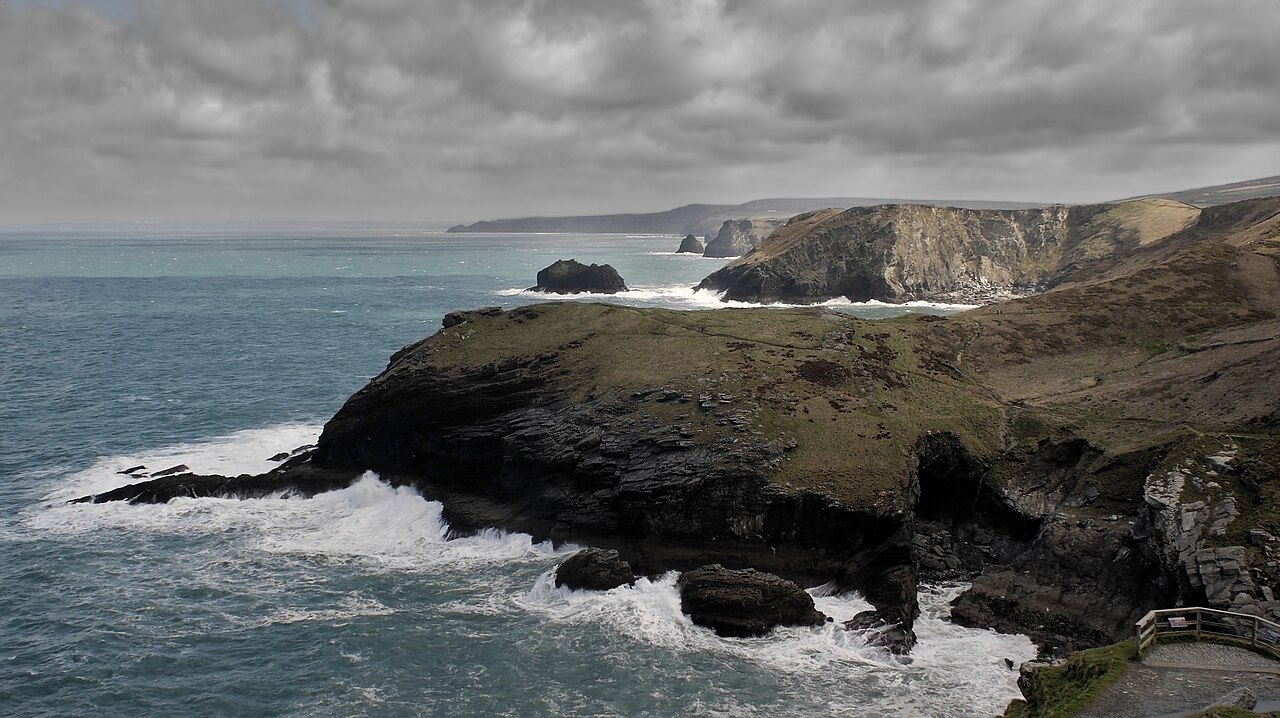
St Ives is a significant location in 20th-century British art history. Tate St Ives schedules exhibitions by the sea, and the Barbara Hepworth Museum and Sculpture Garden allows you to experience the artist's work in a unique setting; check official openings and bookings. Tintagel Castle, linked to Arthurian legends, is an English Heritage site exposed to the elements: its paths and stairs can require physical effort.
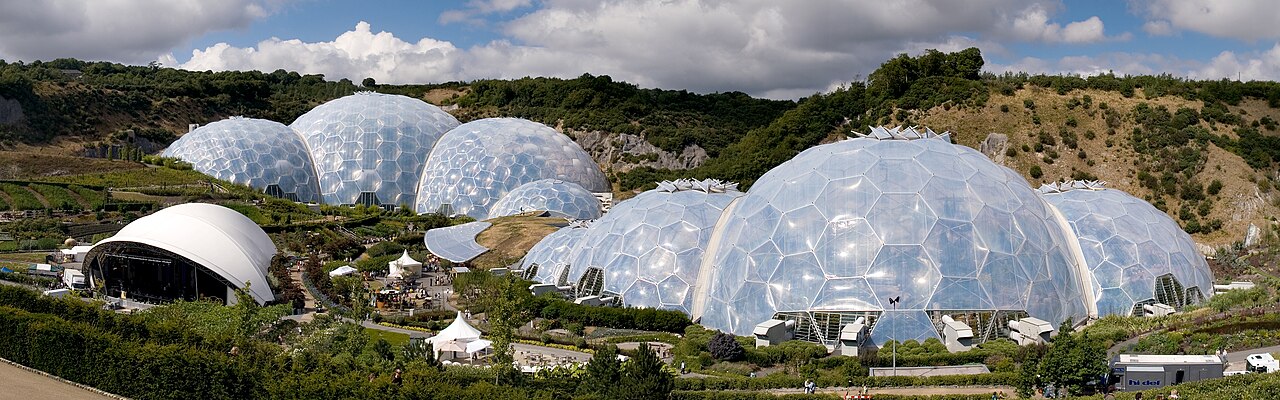
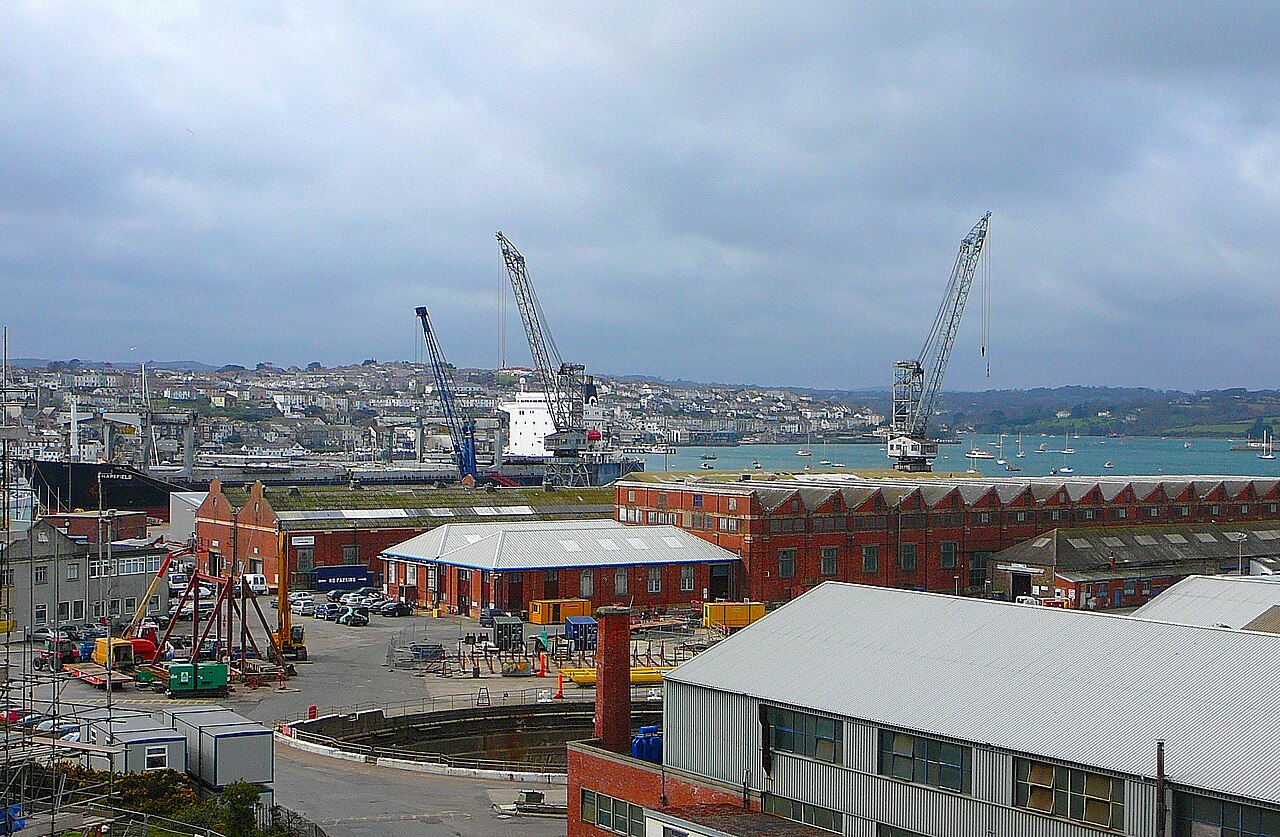
In Falmouth, the National Maritime Museum Cornwall explores seafaring life and is useful for a rainy day. The Eden Project, near St Austell, features large biomes and gardens in a former quarry; it is not in the centre of the previously mentioned towns, so it deserves a well-organised day trip. Alternate between indoor and outdoor activities and confirm access for each site, especially during the off-season or when maintenance is scheduled.
View tours and tickets with GetYourGuide ↗ (affiliate link)
Markets, Cafés, and Coastal Flavours
A Cornish pasty is a practical meal for a day out, although the gastronomic offering goes much further. In St Ives, Falmouth, and coastal villages, you will find cafés, pubs, and restaurants serving fish and seafood; ask about provenance, availability, and bookings before counting on a specific dish. Truro offers shopping streets and a market with stalls whose schedule may vary.
If you prefer a less crowded atmosphere than the main harbour, try cafés on backstreets and compare menus. In summer, some places have long queues and limited parking, while outside the peak season, certain businesses reduce their hours. A waterside pub can be a good spot for a break, but not all serve food all day. Keep your meal times flexible if you are dependent on the last bus or a timed entry visit.
Footpaths, Tides, and Getting Around
The South West Coast Path offers spectacular stretches, which are not always easy: check the distance, elevation, and conditions before setting off, and stay away from unstable cliffs. Cornwall's beaches change significantly with the tide and swell; check local warnings and only swim where it is safe. St Michael's Mount, near Marazion, is reached in different ways depending on the tide: consult official access information before planning your day.
A sensible itinerary combines one coastal town with a nearby activity, rather than four harbours in a single day. The main railway line reaches various Cornish stations, and there are branch lines to places like St Ives and Falmouth; other visits require a bus, taxi, or car. Review connections and last services, as your return trip may determine how much time you have at your destination. Wear shoes with good grip and take a waterproof layer even in summer.