University history, markets and gardens in a city that deserves to be walked at a leisurely pace. In this guide, we have gathered the key points so you can organise yourself at your own pace and with more confidence.
Where Cambridge is and where it comes from
Cambridge is located in the East of England, on the banks of the River Cam. The university dates back to 1209 and its colleges were gradually incorporated into the fabric of a town with markets, churches and residential areas. The city is not just a campus: its streets also belong to those who live and work there. The centre brings together ancient buildings within walking distance, but the riverside areas, gardens and museums invite a slower journey.
From the railway station to King's Parade is a considerable walk; factor in this stretch before booking a timed activity. As you walk, observe how enclosed courtyards, alleys and bridges separate public spaces from areas with regulated access. Not all colleges allow visits every day, and their conditions vary according to the academic calendar. One day is enough for a first impression; two days leave time for museums and neighbourhoods beyond the monumental centre.
Chapels, collections and cultural streets
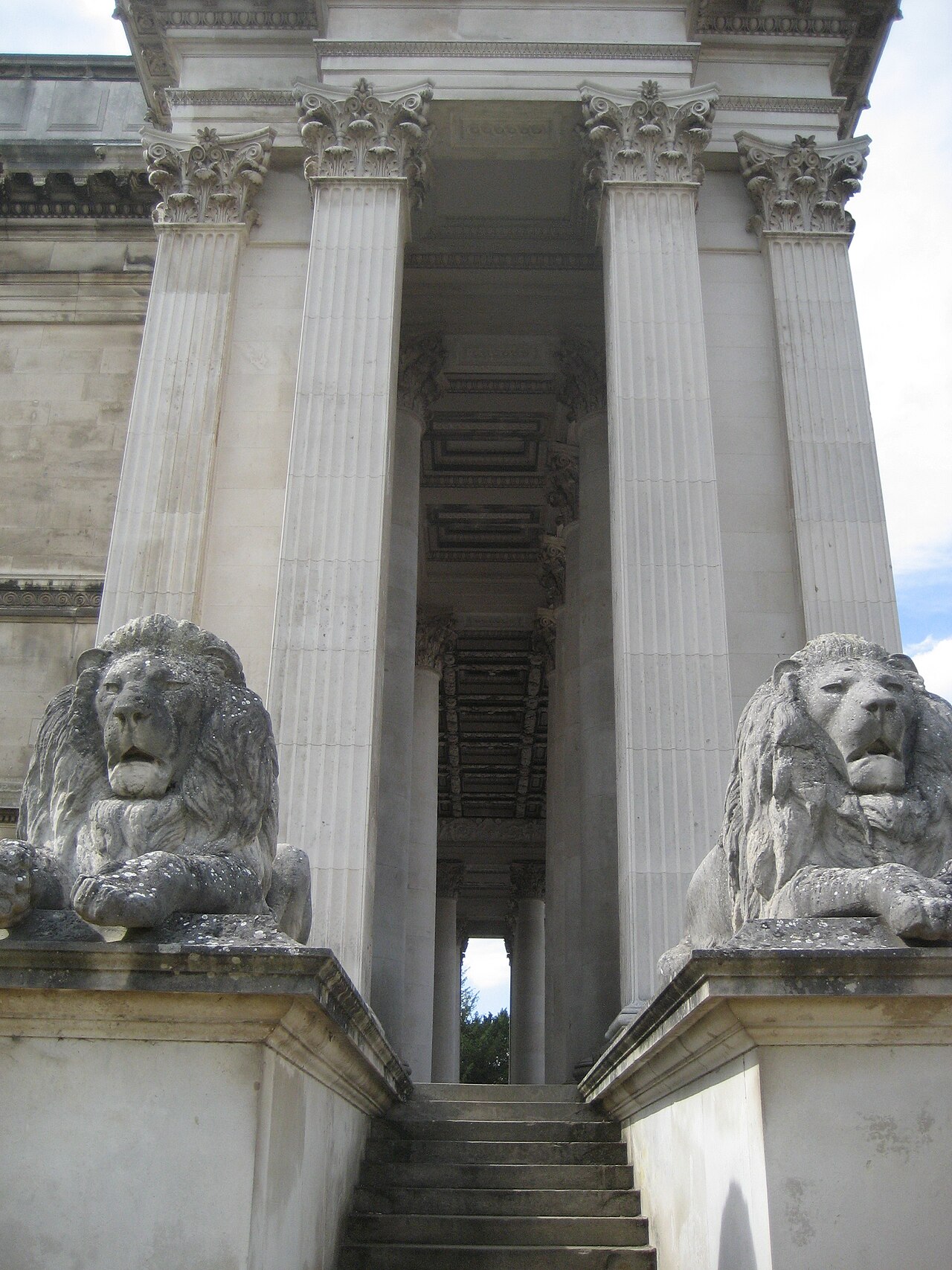
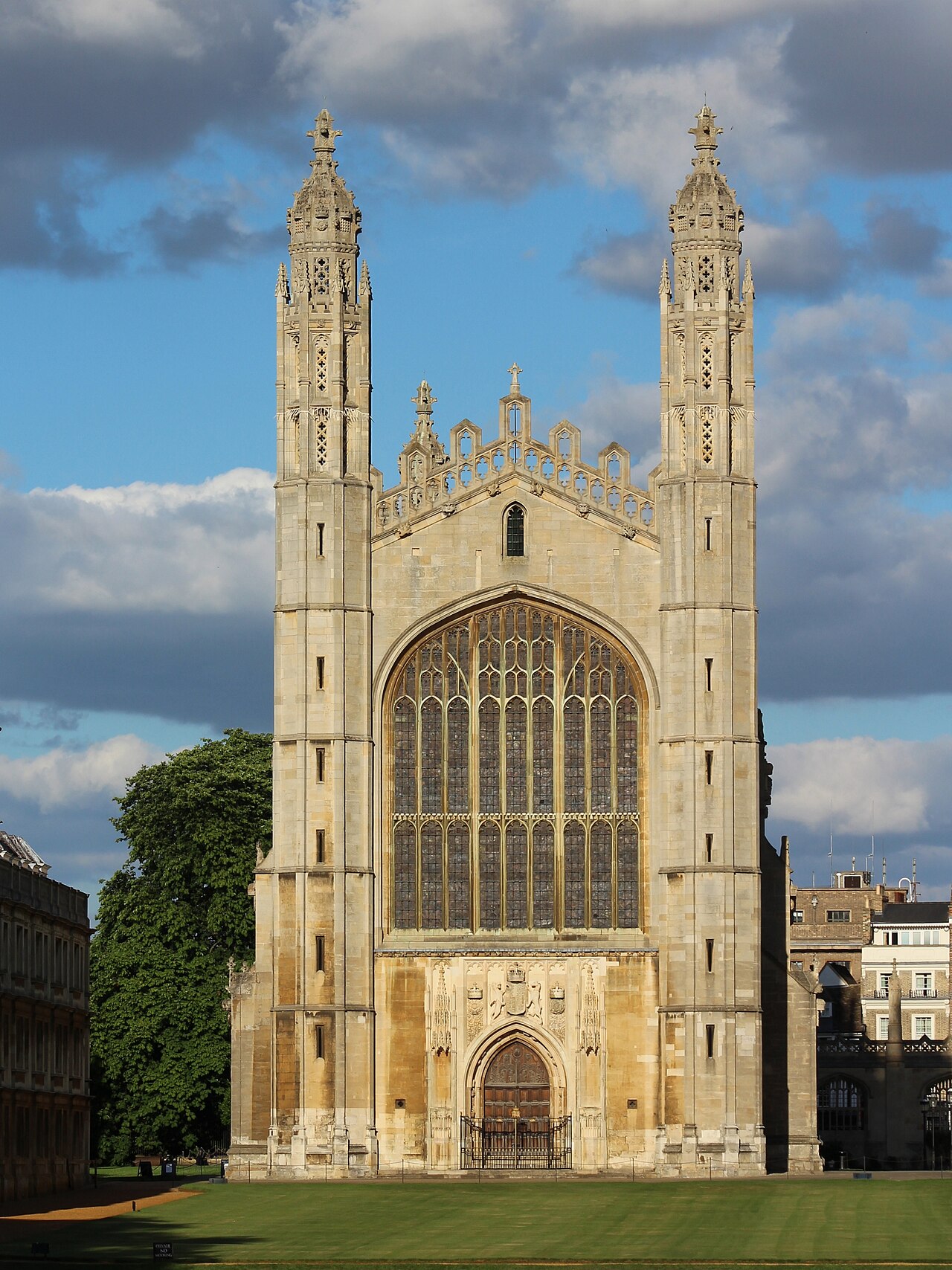
King's College Chapel is a landmark of English Gothic architecture; check its official website for visits, services and possible closures. Walks along The Backs allow you to see the university facades next to the Cam from public spaces without needing to enter every college. The Fitzwilliam Museum combines art and antiquities and can easily occupy a good part of a morning.
The city also has specialised university museums: choose according to your interests and check the opening times, as some are small and do not open daily. A bookshop or a concert completes the cultural experience in a different way to another gallery. Respect the signage in courtyards and libraries; an open door does not imply it is a public attraction. If a chapel is closed, reorganise your walk around a museum or the river without wasting the day.
View tours and tickets with GetYourGuide ↗ (affiliate link)
Market, restaurants and cafes
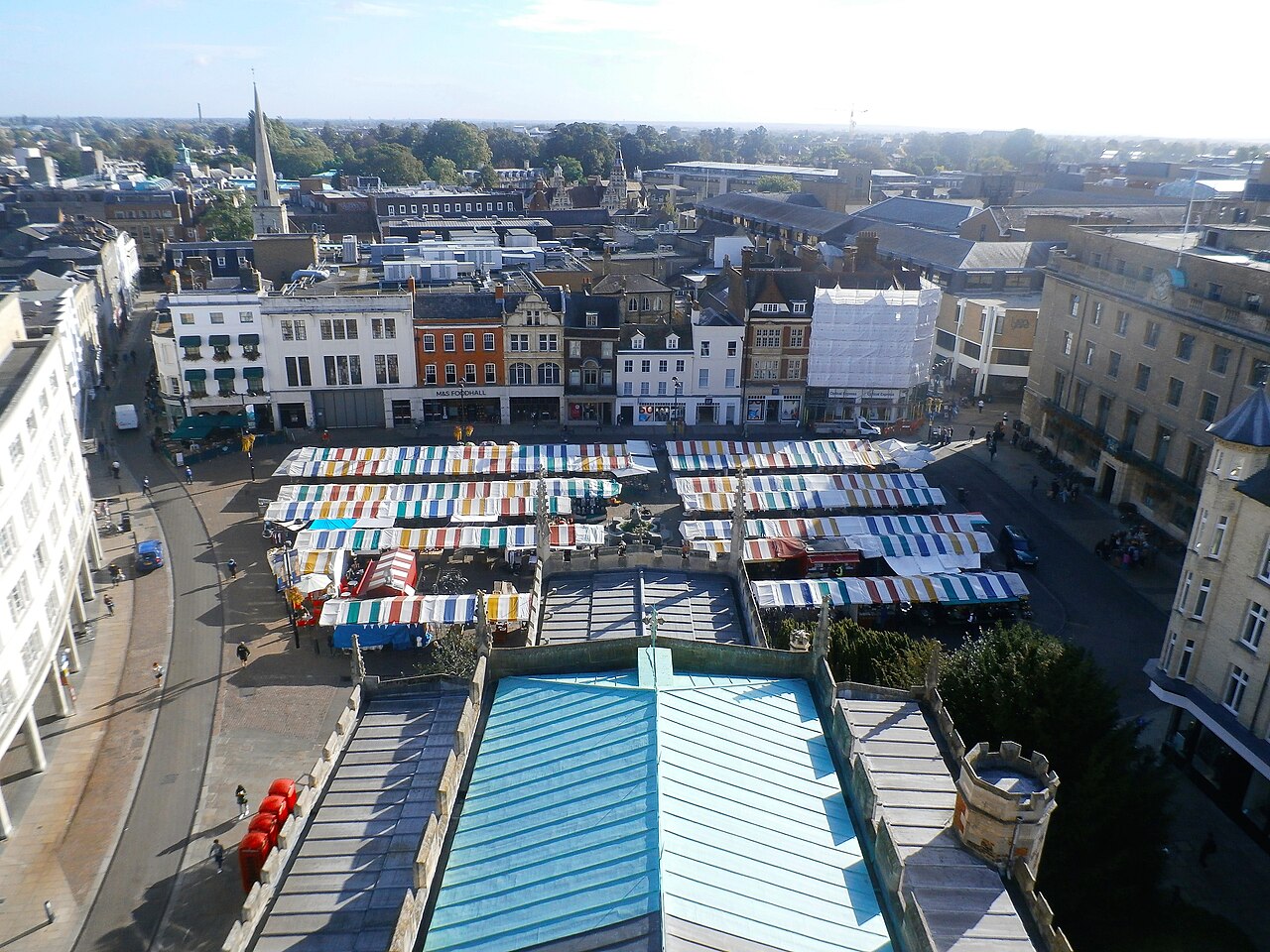
Market Square remains a meeting point with food and trade stalls, although vendors and times change; check municipal information if you are interested in a specific market. In the nearby streets there are cafes, pubs and restaurants to rest between visits. Mill Road offers shops and diverse cuisines outside the main monumental circuit; it deserves a walk for its everyday character, not just for seeking a cheap table.
Near the river and the university areas you will find pubs with terraces, but some tables fill up when the weather is good. Compare menus and book if you are travelling at the weekend. For a quieter break, buy something to eat and find a green space where sitting is permitted, always tidying away your rubbish. Cambridge is best understood when famous sights are alternated with small stops for local life.
River Cam, gardens and how to organise your visit
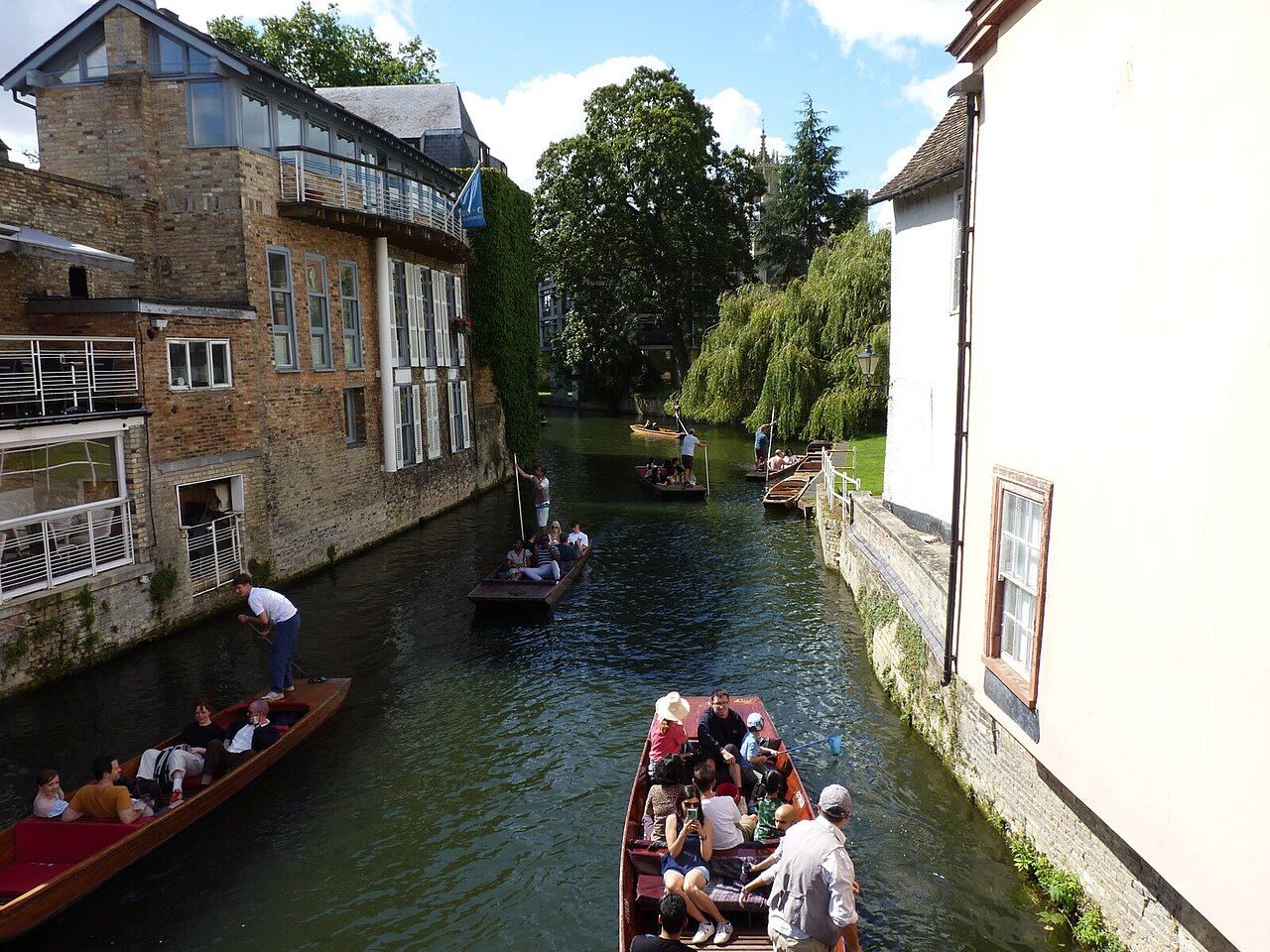
Walking along the Cam and its bridges is one of the most pleasant ways to explore Cambridge. Punts, low boats propelled with a pole, can be booked as a guided tour or hired depending on the operator; compare routes, price and conditions before paying. You can also enjoy views from bridges and public paths without boarding a boat.
The Cambridge University Botanic Garden offers another green setting near the station, subject to its current opening times and admission fees. A one-day route links the station, the garden if you are interested, the Fitzwilliam, the market, King's Parade and The Backs; reduce stops if you want to enter several places. If you go by bicycle, follow local rules and pay attention to pedestrians and junctions. Check return trains and any college closures before setting off; official bookings will save you unnecessary waiting.